From the bustling streets of Madrid to the Mediterranean charm of Barcelona and Valencia, each city offers its own interpretation of the holiday season in Spain. Whether you are seeking traditional crafts, seasonal delicacies, or simply the magical atmosphere of Spanish Christmas celebrations, this guide will help you plan the perfect holiday visit.
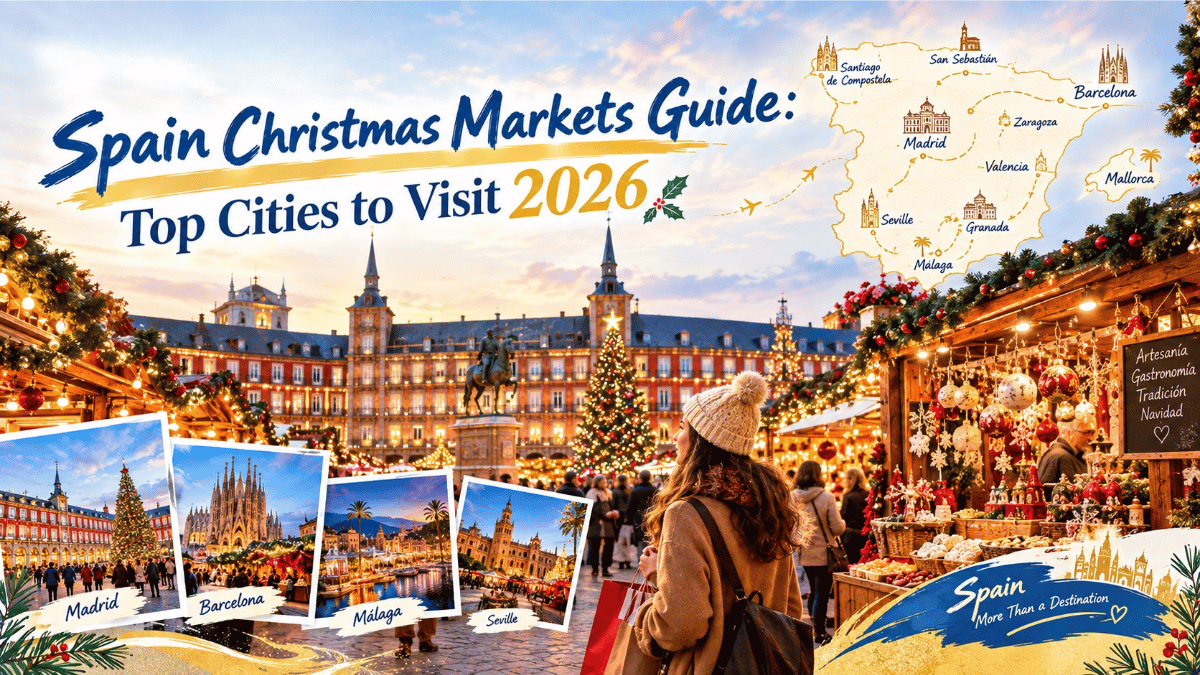
Spain Christmas Markets Guide: Top Cities to Visit 2026

From the bustling streets of Madrid to the Mediterranean charm of Barcelona and Valencia, each city offers its own interpretation of the holiday season in Spain. Whether you are seeking traditional crafts, seasonal delicacies, or simply the magical atmosphere of Spanish Christmas celebrations, this guide will help you plan the perfect holiday visit.
When Do Christmas Markets Open in Spain?
General Season Timeline
Most Christmas markets in Spain open between November 25 and December 1, running through January 5 or 6 (Epiphany/Three Kings Day). The exact opening dates vary by city and year, but the season generally spans five to six weeks. Some markets in tourist-heavy areas may extend through January 10 or open as early as November 20.
2026 Opening Dates
For the 2026 season, expect major markets to open around November 28-December 1. Madrid typically leads with an elaborate opening ceremony, while Barcelona and Valencia follow within days. Smaller towns may open slightly later, around December 5-8. Check local tourism websites for exact dates as they approach, since municipalities finalize schedules in October or November.
Best Time to Visit
Early December offers the best combination of full market availability and manageable crowds. The week before Christmas (December 18-24) sees peak attendance but also the most festive atmosphere. If you prefer quieter visits, aim for late November or the first week of December. Avoid December 26-31 if possible, as many markets close for Christmas Day and some reduce hours between Christmas and New Year.
Madrid Christmas Market: Plaza Mayor and Beyond
Plaza Mayor Christmas Market
The Madrid Christmas market in Plaza Mayor stands as Spain's most famous holiday market, operating since the 18th century. This historic square transforms into a sea of wooden stalls selling nativity scene figures (belenes), Christmas decorations, toys, and traditional crafts. The market specializes in belen figurines, with vendors offering everything from mass-produced pieces to hand-painted collectibles costing hundreds of euros.
What to Expect
Over 100 vendors occupy the plaza daily from 10 AM to 10 PM. You will find elaborate nativity sets, Christmas trees, ornaments, and traditional Spanish toys. The atmosphere combines serious collectors hunting for rare belen pieces with families seeking holiday decorations. Street performers and musicians add to the festive mood, while nearby cafes serve hot chocolate and churros.
Other Madrid Holiday Attractions
Beyond Plaza Mayor, Madrid offers multiple holiday experiences. The Plaza de España hosts a Christmas market with international crafts and food stalls. Retiro Park features holiday lights and sometimes an ice skating rink. The city center displays elaborate light displays along Gran Vía and surrounding streets. Many churches display elaborate nativity scenes open to visitors.
Barcelona Christmas Market: Fira de Santa Llucia
Fira de Santa Llucia
The Barcelona Christmas market centered around Fira de Santa Llucia dates back to 1786, making it one of Spain's oldest holiday markets. Located in front of the Gothic Cathedral, this market specializes in nativity scenes, Christmas trees, crafts, and traditional Catalan holiday items. The market runs from late November through December 23, operating daily from 10:30 AM to 8:30 PM.
Caganer and Other Catalan Traditions
Barcelona markets showcase unique Catalan Christmas traditions, particularly the Caganer - a figurine of a defecating man placed in nativity scenes. While shocking to outsiders, this tradition symbolizes fertility and good fortune. You will also find the Tio de Nadal (Christmas Log), a hollow log with a painted face that children beat on Christmas Eve to receive presents. These unique items appear only in Catalan markets.
Other Barcelona Holiday Experiences
Barcelona hosts several other holiday markets, including Fira de Nadal near Sagrada Familia and Fira de Reis on Gran Via. The city center features elaborate light displays, and some neighborhoods host living nativity scenes (belenes vivents). The Liceu opera house and other venues present holiday-themed performances. Many restaurants offer special Christmas menus featuring Catalan holiday dishes.
Christmas Markets in Valencia Spain
Plaza del Ayuntamiento Market
Christmas markets in Valencia, Spain, center around Plaza del Ayuntamiento, where a large market operates from early December through January 5. This market features traditional Spanish crafts, nativity figures, Christmas decorations, and toys. Valencia combines its famous Fallas festival culture with Christmas celebrations, creating unique local traditions.
Valencia Holiday Specialties
Valencia markets emphasize local crafts and food specialties. You will find turron (nougat) from nearby Xixona, the world capital of this Christmas sweet. Local vendors sell hand-painted ceramics, traditional textiles, and regional food products. The city also hosts a large nativity scene in the City Hall square, often featuring moving figures and elaborate details.
Additional Valencia Experiences
Beyond the main market, Valencia offers holiday concerts, special museum exhibitions, and neighborhood celebrations. The City of Arts and Sciences sometimes hosts holiday-themed events. Many churches display elaborate nativity scenes. The port area features holiday decorations and sometimes seasonal markets with seafood and local products.
Christmas Market Malaga Spain
Alameda Principal and Historic Center
The Christmas market in Malaga, Spain, transforms the city center into a festive wonderland with elaborate light displays considered among Spain's best. The main market stretches along Alameda Principal and surrounding streets, featuring wooden chalets selling crafts, decorations, and food. Malaga invests heavily in holiday decorations, creating a magical atmosphere throughout the city.
Malaga Holiday Attractions
Beyond the market, Malaga offers an ice skating rink, holiday train rides through the city center, and extensive light displays. The city hosts concerts, theatrical performances, and special events for children. Many restaurants offer special Christmas menus featuring Andalusian holiday dishes. The Alcazaba and Cathedral sometimes host special holiday events or exhibitions.
Andalusian Christmas Traditions
Malaga showcases Andalusian Christmas traditions, including villancicos (Christmas carols) with flamenco influences, special holiday sweets like mantecados and polvorones, and the Three Kings Parade on January 5. The region emphasizes family gatherings and religious celebrations alongside commercial holiday activities.
Food at Christmas in Spain: Traditional Holiday Dishes
Christmas Eve and Christmas Day Meals
Food at Christmas in Spain centers around family gatherings featuring elaborate multi-course meals. Christmas Eve (Nochebuena) typically includes seafood appetizers like prawns and langoustines, followed by roasted lamb, capon, or fish. Christmas Day features leftovers transformed into croquettes or soups. Each region adds local specialties to the traditional menu.
Holiday Sweets and Desserts
Spanish Christmas sweets appear in markets and bakeries throughout the season. Turrón from Alicante and Jijona ranks as the most iconic Christmas sweet, available in hard (duro) and soft (blando) varieties. Other traditional sweets include polvorones (crumbly shortbread), mantecados (lard-based cookies), marzipan from Toledo, and roscón de Reyes (Three Kings cake eaten on January 6).
New Year's Eve Traditions
New Year's Eve (Nochevieja) features its own food traditions, most famously eating 12 grapes at midnight - one for each clock stroke. This tradition symbolizes good luck for each month of the coming year. Families also share a late dinner, often featuring seafood and champagne. The celebration continues into the early morning with parties and public celebrations.
Spain Christmas Traditions: Beyond the Markets
Nativity Scenes (Belenes)
Spanish Christmas traditions emphasize elaborate nativity scenes called belenes. Churches, town halls, and even shopping malls display intricate scenes featuring not only the holy family but also everyday village life with shepherds, animals, and rural buildings. Some towns create living nativity scenes with real people and animals. Madrid and Barcelona host annual nativity scene competitions.
Three Kings Day (Día de Reyes)
January 6 marks Three Kings Day, when Spanish children receive most of their Christmas presents. The night before, elaborate parades (Cabalgata de Reyes) feature the three kings throwing candy to children. Families eat roscón de Reyes, a ring-shaped cake sometimes containing a small figurine (brings good luck) or a bean (pays for the cake). This celebration often exceeds Christmas Day in importance.
Lottery and New Year Traditions
Spain christmas traditions include the famous Christmas Lottery drawing on December 22, a national event broadcast live and followed by most of the country. New Year traditions include wearing red underwear for luck, eating 12 grapes at midnight, and celebrating until dawn. Many Spaniards take January 6 as a final holiday before returning to normal routines.
Planning Your Spain Christmas Market Visit
Transportation and Logistics
Spain's excellent high-speed train network connects major cities efficiently. Madrid to Barcelona takes 2.5 hours, Madrid to Valencia 1.5 hours, and Madrid to Malaga 2.5 hours. Book trains in advance for better prices. Within cities, public transportation operates regularly, though schedules may change on holidays. Taxis and ride-sharing services work well, but expect surge pricing during peak market hours.
Accommodation Tips
Book accommodation early for December visits, especially in Madrid and Barcelona. Prices increase significantly during the holiday season. Stay near city centers for easy market access. Many hotels offer special holiday packages including breakfast and sometimes market tours. Consider apartment rentals for longer stays, allowing you to prepare some meals and experience local neighborhood celebrations.
Budget Considerations
Spain remains relatively affordable compared to northern European Christmas destinations. Market items range from inexpensive ornaments (5-15 euros) to collectible nativity figures (50-500 euros). Food at markets costs 5-15 euros per item. Restaurant holiday menus run 25-60 euros per person. Accommodation during peak season costs 100-250 euros per night for mid-range hotels. Many Spain vacation packages include holiday-season accommodations and can guide market visits.
Weather and Packing
December weather varies significantly by region. Madrid experiences cold temperatures (2-10°C/35-50°F) with occasional freezing nights. Barcelona stays milder (8-15°C/46-59°F) but can feel damp. Valencia and Malaga enjoy the mildest conditions (10-18°C/50-64°F). Pack layers, a warm coat, comfortable walking shoes, and an umbrella. Evenings require extra warmth, especially in Madrid.
Final Thoughts
The 2026 holiday season promises another year of festive celebrations across Spain. Plan your visit carefully, book accommodation early, and embrace the Spanish Christmas traditions that make this season special. The markets, food, and celebrations create memories that last long after you return home.
FAQ
Are Christmas markets in Spain worth visiting?
Yes, Spain's Christmas markets offer unique experiences different from Northern European markets. While smaller than German markets, they emphasize Spanish traditions like nativity scenes, local crafts, and holiday foods. The combination of mild weather, rich traditions, and less crowded conditions (compared to peak tourist season) makes them worthwhile. Each city offers distinct character and specialties.What should I buy at Spanish Christmas markets?
Popular purchases include hand-painted nativity figurines, traditional Spanish toys, holiday decorations, local crafts, and seasonal foods like turrón and polvorones. Nativity figures make unique souvenirs representing Spanish Christmas traditions. Local ceramics, textiles, and food products also make excellent gifts. Avoid mass-produced items sold alongside handcrafted goods.How crowded are Spanish Christmas markets?
Crowds vary by location and timing. Madrid Plaza Mayor market draws the largest crowds, especially weekends and the week before Christmas. Barcelona Fira de Santa Llucia sees moderate crowds. Valencia and Malaga markets remain less crowded. Visit weekday mornings for the quietest experience. Evenings and weekends attract families and locals shopping after work.Can I find vegetarian or vegan food at Spanish Christmas markets?
Options remain limited but are improving. Traditional market foods focus on meat (chorizo, jamón) and seafood. However, you will find roasted nuts, fresh fruit, turrón (check for honey), and some vegetable-based dishes. Larger cities increasingly offer vegetarian options at food stalls. Restaurants provide better vegetarian choices than markets. Communicate dietary restrictions clearly when ordering.How do Christmas markets in Spain compare to those in other European countries?
Spanish markets emphasize different aspects than German, Austrian, or French markets. While northern European markets focus on mulled wine, gingerbread, and elaborate decorations, Spanish markets highlight nativity scenes, local crafts, and traditional foods. Spanish markets tend to be smaller but more authentic, with less commercialization. The mild weather allows comfortable outdoor browsing. Each approach offers distinct cultural experiences.You May Also Like

China Tea Culture Guide: History, Varieties & Experiences
24 Sep 2026

Italy Food Tour: Regional Specialties from North to South
23 Sep 2026

Best Things to Do in Ireland for First-Time Visitors
22 Sep 2026
Summary
When Do Christmas Markets Open in Spain?
Madrid Christmas Market: Plaza Mayor and Beyond
Barcelona Christmas Market: Fira de Santa Llucia
Christmas Markets in Valencia Spain
Christmas Market Malaga Spain
Food at Christmas in Spain: Traditional Holiday Dishes
Spain Christmas Traditions: Beyond the Markets
Planning Your Spain Christmas Market Visit
Final Thoughts
FAQ
America's 250th Anniversary Mega Sale