ChinaAsiaThings to DoTravel Tips
Show All

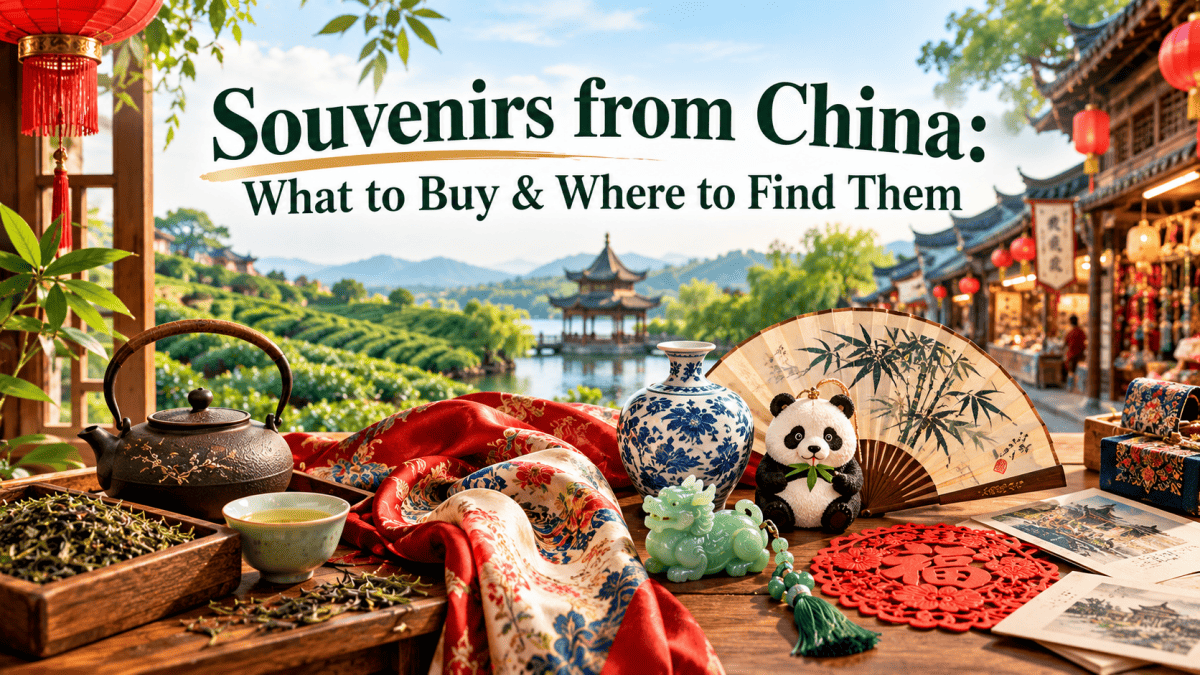
Souvenirs from China: What to Buy & Where to Find Them

cover

China gives you far more to bring home than a fridge magnet. Silk that feels nothing like the mall version, tea from the hills where it grows, hand-painted porcelain, pearls, jade, and calligraphy sets all sit on shelves within a few blocks of the sights you already plan to visit. The hard part is choosing, because the country is huge and every region has its own specialty.

We wrote this guide to help you shop with a plan. You'll see which souvenirs from China are worth your luggage space, which city is best for each one, where to shop, how to bargain without stress, and which items customs will not let you take home. If you need a place to start, the table below sums up our favorites.

Best Items to Buy in China

Souvenir Best place to buy Why it works as a gift Watch out for
Tea (Longjing, Tieguanyin, Pu'er) Hangzhou, Fujian, Yunnan Light, easy to pack, and useful Ask to taste before you buy
Silk scarves, pillowcases, robes Suzhou, Hangzhou Hard to match back home Blends sold as "pure silk"
Suzhou embroidery Suzhou A framed piece doubles as decor Machine-made copies
Porcelain and Yixing teapots Jingdezhen, Yixing, big-city shops Practical and decorative Fragile; ask the shop to pack it
Pearls and jade jewelry Beijing, Shanghai Small and easy to carry Fake stones, unclear grading
Calligraphy brushes, ink, inkstones Beijing, Shanghai, Anhui Inexpensive gifts with real craft behind them Low-grade sets in tourist areas
Cloisonné Beijing Bold colors, works as a display piece Thin enamel on cheap versions
Paper cuts, knots, fans, chopsticks Almost everywhere Cheap, light, and good for groups Very low quality in tourist traps
Terracotta Warriors replicas Xi'an Popular with kids and history fans Heavy figures that eat weight allowance
Panda goods Chengdu Easy crowd-pleaser Products made cheaply overseas
Ethnic textiles Yunnan, Guizhou (sold in Beijing markets too) Handmade, colorful, and lightweight Machine prints sold as handmade

Chinese Souvenirs Worth Packing

You'll run into dozens of things to buy while in China. The categories below are the ones we would put in our own suitcase.

Tea and Tea Ware

Tea is the safest bet for almost anyone on your list. Longjing (Dragon Well) is a green tea tied to Hangzhou's West Lake area. Tieguanyin comes from Fujian, and Pu'er is the fermented tea of Yunnan. Buy loose leaf in sealed foil packs, which keep it fresh on the flight home and stay light in a carry-on.

Good tea shops let you taste before you commit. Take them up on it. If a seller pours a tiny cup, explains where the leaf was grown, and doesn't push you to buy a giant gift box, you're probably in the right place. Skip tea sold at scenic-area tables with no tasting, since prices there tend to reflect foot traffic rather than quality.

Pair the leaves with tea ware. Yixing teapots, made from purple clay in Jiangsu Province, are a classic. Genuine hand-made pots cost real money, but plenty of machine-made and mid-range pots are sold honestly as such, and they still brew a good cup.

china tea

Silk and Textiles

Silk is one of the best items to buy in China, and Suzhou and Hangzhou are the two cities most travelers link with it. Scarves, pillowcases, sleep masks, pajamas, and robes all pack flat. Hold the fabric up to the light and feel it. Real silk is smooth and warm to the touch, while polyester feels slick and cold.

Ask the seller directly whether the item is pure silk, and check the label. Big stores and silk factories that give short tours are usually more reliable than a street stall with a suspiciously low price.

Suzhou embroidery is worth a look too. Artists stitch fine, detailed pictures onto silk, and small framed pieces or embroidered pouches make thoughtful gifts that don't weigh much.

If you want something more casual, look for hand-woven and embroidered textiles from Yunnan and Guizhou. Beijing's Panjiayuan Market has a section of minority-made textiles, and they rank among the more interesting things you can pick up there.

Jade, Pearls and Jewelry

Jade carries deep meaning in Chinese culture, and you'll see it in bangles, pendants, and small carved figures. Prices swing widely, and the gap between real jade and dyed or imitation stone can be huge. Unless you know what you're looking at, stick to small, inexpensive pieces from reputable shops, and ask for a receipt that names the material.

Pearls are an easier purchase. The Hongqiao Pearl Market in Beijing, close to the Temple of Heaven, has floors of stalls selling pearls, coral, turquoise, amber, and other stones. Compare several stalls, ask for a strand to be shown under natural light, and bargain politely.

jade

Calligraphy Sets and Art Supplies

A brush, a stick of ink, an inkstone, and paper are known in China as the "four treasures of the study." A starter set costs little, packs flat, and makes a great gift for anyone who likes art or writing. You can also ask a street artist or shop to write a name or a short blessing for you.

Custom name seals, called chops, are another popular pick. A carver can make one for you while you browse, and you'll see stalls doing this at Panjiayuan and in other craft markets.

Porcelain, Cloisonné and Decor

Blue-and-white porcelain is the piece most people picture when they think of Chinese souvenirs. Jingdezhen in Jiangxi Province is the porcelain capital, but you don't need to go there to buy a good cup, vase, or tea set. Department stores and specialty shops in major cities carry well-made modern pieces.

Beijing is the place for cloisonné, a craft where thin metal wires form patterns that are filled in with colored enamel. Small dishes, bookmarks, and jewelry boxes are easier to pack than large vases.

Ask every shop to wrap porcelain for travel. Many will box it properly, and some markets can ship larger items abroad for you.

Porcelain

Small Gifts for Everyone Else

For coworkers, classmates, and neighbors, go small. Paper cuttings, Chinese knots, folding fans, chopsticks, and chopstick rests cost little, weigh almost nothing, and still feel like a China souvenir. Buy them from craft shops or museum stores rather than the first stall outside a major attraction, where identical items often cost more.

Local Specialties by City

Some China souvenir ideas only make sense in one place:
  • Xi'an: Terracotta Warriors replicas, from pocket-sized figures to big statues. The small ones travel better.
  • Chengdu: Panda plush toys, mugs and stationery. Chengdu is famous for its giant pandas, so panda goods are everywhere.
  • Hangzhou: Longjing tea and silk goods.
  • Beijing: Cloisonné, pearls, calligraphy sets and Cultural Revolution-era-style posters and kitsch at the markets.
  • Shanghai: Modern design shops, tea shops and silk stores, alongside the classic tourist bazaars.
  • Guizhou: Home of the famous baijiu brand Moutai. If you buy liquor, wrap it well, keep it sealed, and pack it in checked luggage. Check your home country's customs allowance for alcohol first.

Snacks and Pantry Souvenirs

Packaged food makes an easy gift, and China has plenty of options: tea-flavored sweets, dried fruit, nut candies, chili crisp, Sichuan peppercorns, and instant hot pot bases. Stick to sealed, shelf-stable packaging with clear labels. Fresh produce, meat products, and anything homemade can be stopped at your home border, so look up your country's food import rules before you buy.

Best Souvenirs by Traveler Type

If you're shopping for Try this
Tea lovers Loose-leaf Longjing or Pu'er, plus a small Yixing teapot
Style-conscious friends A silk scarf or pillowcase from Suzhou or Hangzhou
Kids Panda plush from Chengdu or a small Terracotta Warriors figure from Xi'an
Coworkers and neighbors Paper cuttings, fans, chopsticks or a tin of tea
Home decor fans A cloisonné dish, blue-and-white porcelain or a framed embroidery
Yourself A custom name chop, a calligraphy set or a piece of jewelry you'll wear

Where to Find a China Souvenir Shop That's Worth Your Time

Where you shop matters as much as what you buy. Each type of place comes with tradeoffs.

Markets. Markets give you the widest choice and the best chance to bargain. Panjiayuan in Beijing is one of the biggest, and weekend mornings are its busiest time. Bring cash and patience. Don't expect real antiques there. Most of what you'll see is reproductions, curios, and crafts, which is fine as long as you pay a fair price for what it is. Panjiayuan has also added evening market sessions on several nights a week, so check the current schedule if you'd rather shop after dark.

Museum and gallery shops. Prices are fixed, the quality is consistent, and the designs are often more creative than what you'll see at street stalls. They work well when you have limited time or don't want to haggle.

Department stores and specialty shops. Tea houses, silk shops, pearl dealers, and porcelain stores let you talk with staff who know their products. Prices cost more than markets, but you get receipts, packaging and sometimes tax-free service (more on that below).

Historic streets and old towns. Hangzhou's Hefang Street, Chengdu's Kuanzhai Alley and Xi'an's Muslim Quarter give you souvenirs, snacks and atmosphere in one stop. Expect tourist pricing, so compare before you buy.

Airports and train stations. Prices run high, but you can grab last-minute tea, snacks, and small gifts if you run out of time.

How to Bargain and Avoid Fakes

Bargaining is normal at markets and small stalls, but not in department stores, museum shops, or places with price tags. A few habits keep it friendly:
 
  • Decide what you'd pay before you start. Ask the price, respond with a lower offer, and move up in small steps. If you can't agree, smile and walk away. You'll often hear a better number as you leave.
  • Compare stalls first. Many vendors sell the same items, so check three or four before you commit.
  • Carry small bills. Handing over the exact agreed amount avoids awkward change problems.
  • Test what you can. Taste tea, touch fabric, hold jade to the light. Ask sellers to explain their claims, and buy elsewhere if they won't.
  • Treat "antique" with suspicion. Prices that sound too good for an old piece are a warning sign. Buy for looks, not as an investment.
  • Get a receipt for anything valuable. You'll need it for refunds, repairs, and customs.

Tax Refunds and Customs Rules to Know Before You Buy

Two rules can affect your shopping budget, and both are easy to handle if you know them in advance.

Departure Tax Refunds

China lets overseas visitors claim back part of the VAT on goods bought at shops with a "Tax Free" sign. Your purchases must reach 200 yuan at the same store on the same day. The goods must be unused, and you need to carry them or check them as luggage when you leave China within 90 days of buying. For items taxed at 13%, the refund rate is 11%. Bring your passport, because shops and refund counters need it. Many shops now offer refunds at the register, and cash refunds are available up to a set limit.

Rules and store lists change, so look at the current guidance from China's tax authorities before you go, and ask each shop whether it takes part.

What You Can't Take Home

China restricts exports of cultural relics. Items made before 1949 are generally treated as cultural relics and cannot leave the country without official approval, and sources describe the exact cutoffs a little differently. Ivory and other wildlife products are also off limits. The safest approach is simple: buy modern reproductions, get a receipt, and ask the shop to confirm in writing that the item can be exported.

If you're tempted by a true antique, ask the seller about export approval before you pay, and skip the purchase if you don't get a clear answer.


Your home country has its own rules too. Food, plants, wooden items and alcohol can all face limits, so check your customs agency's website before you fill a suitcase.

Souvenir Shopping Tips for Your Trip

  • Pack an empty bag or leave space. Souvenirs add up quickly, and heavy items like porcelain, statues, and liquor eat into your baggage allowance.
  • Buy fragile pieces last. Save porcelain and teapots for the end of your trip, and ask the shop to box them.
  • Match the gift to the person. Tea for coffee-shy relatives, silk for style lovers, calligraphy sets for kids and hobbyists.
  • Keep a running list. Note the shop, item, and price as you go, so you can sort your receipts and refund paperwork later.
  • Leave time for shopping. Most itineraries focus on the big sights, so build in an hour or two at each stop.
Shopping is easiest when you already know which cities you'll visit. A first trip to China often covers Beijing, Xi'an and Shanghai, with Hangzhou or Suzhou added for silk, tea and gardens. If you're still choosing a route, you can compare guided itineraries in our China vacation packages.

Bring Home Something That Lasts

The best China souvenir tells a small story about where you went: a tin of tea from a hillside town, a scarf from a silk city, or a hand-carved chop with your name on it. Buy from sellers who can explain what you're holding, keep your receipts, and leave some room in your bag. With a little research, you'll come home with gifts people actually use.
 

FAQ

What are the best souvenirs from China?

Tea, silk, porcelain, pearls, calligraphy sets, and small crafts like paper cuttings and Chinese knots top most lists. Tea and silk are the easiest to pack and the most widely loved.

Where should I shop for souvenirs?

Use markets like Panjiayuan for variety and bargaining, museum shops for fixed prices, and specialty shops for tea, silk, and pearls. Pick the type of place that matches the item and your comfort with haggling.

Is bargaining expected in China?

At markets and small stalls, yes. In department stores, museum shops, and any store with fixed price tags, no.

Can tourists get a tax refund on souvenirs?

Yes, if you buy at participating "Tax Free" shops, spend at least 200 yuan at the same store on the same day, and leave China within 90 days with the goods unused. Bring your passport and confirm the details with the shop.

Can I take antiques out of China?

Generally, no. Items made before 1949 are treated as cultural relics and need official approval to leave; ivory and wildlife products are banned. Buy modern reproductions and keep the receipt.

Summary

Best Items to Buy in China

Chinese Souvenirs Worth Packing

Best Souvenirs by Traveler Type

Where to Find a China Souvenir Shop That's Worth Your Time

How to Bargain and Avoid Fakes

Tax Refunds and Customs Rules to Know Before You Buy

Bring Home Something That Lasts

FAQ

America's 250th Anniversary Mega Sale

image