China Asia Places to Go Things to Do Food & Drink Travel Tips

Sichuan Travel Guide: Pandas, Food, Mountains and Culture

cover

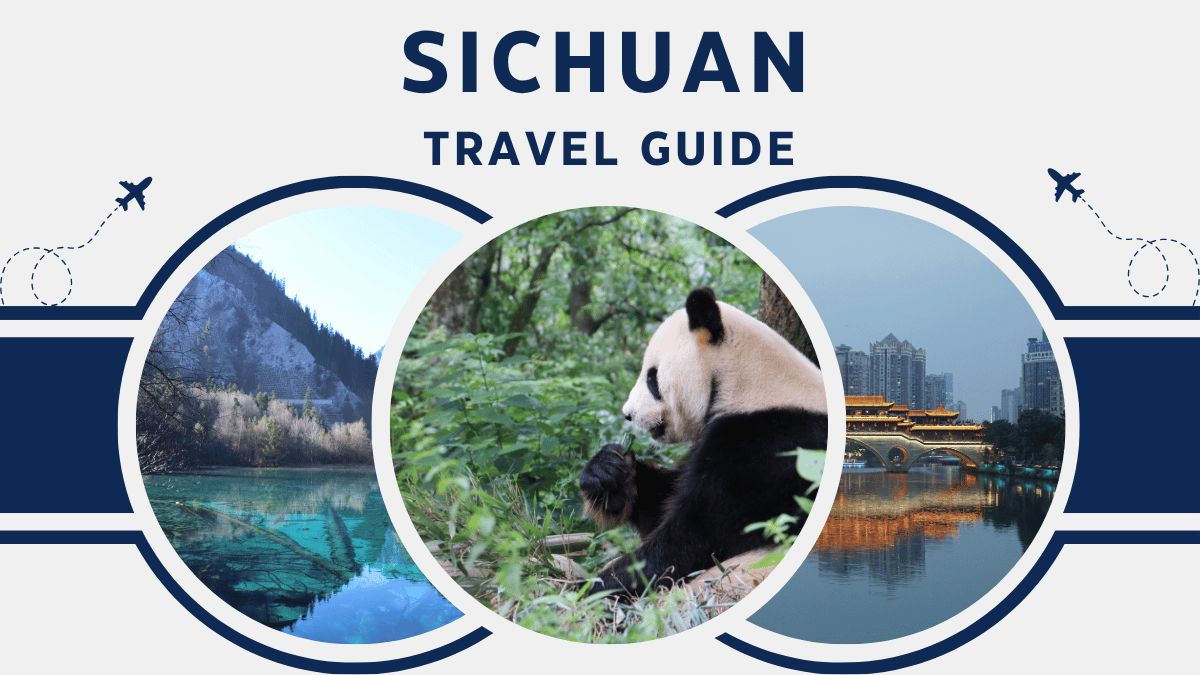
Sichuan province sits in southwestern China, offering travelers an extraordinary mix of giant pandas, legendary spicy cuisine, dramatic mountain landscapes, and rich cultural heritage. This Sichuan travel guide covers everything you need to know for planning your trip, from must-see attractions to practical travel tips.

Whether you want to watch giant pandas eat bamboo, slurp authentic hot pot in Chengdu, hike through Jiuzhaigou Valley's colorful lakes, or experience Tibetan culture without leaving China, Sichuan delivers. The province attracts millions of visitors annually, and for good reason. Sichuan China travel experiences range from modern urban adventures to ancient cultural immersion. Let's learn about Sichuan together.

sichuan attractions

Top Attractions in Sichuan

Giant Panda Experiences


Sichuan serves as the undisputed home of giant pandas, housing over 80% of China's wild panda population. The Chengdu Research Base of Giant Panda Breeding offers the most accessible panda encounter in the world. You'll watch these beloved animals eat, play, and nap in naturalistic enclosures designed to mimic their wild habitat.

Early morning visits provide the best viewing opportunities. Pandas prove most active during feeding time, typically between 8:00 and 10:00 AM. After that, they often retreat to air-conditioned enclosures or nap in trees. The base also supports red panda conservation and breeding programs for other endangered species.

For a more immersive experience, the Wolong National Nature Reserve and Bifengxia Panda Base offer volunteer programs where you can help caretakers feed and clean up after pandas. These programs require booking and physical fitness, but they provide memorable hands-on encounters.

panda

Jiuzhaigou Valley


Jiuzhaigou Valley ranks among China's most remarkable natural wonders. This UNESCO World Heritage Site features a series of colorful lakes, multi-level waterfalls, and snow-capped peaks. The valley's name means "Nine Villages Valley," referring to the Tibetan villages scattered throughout the area.

The valley's lakes display extraordinary colors ranging from turquoise to emerald green, created by mineral deposits and algae. Nuorilang Waterfall holds the title of China's widest travertine waterfall, creating a dramatic curtain of water during peak flow seasons. Autumn transforms the valley's forests into a tapestry of red, orange, and gold, making October the most popular time to visit.

Jiuzhaigou limits daily visitors to protect the fragile ecosystem, so book tickets well in advance, especially during peak season. The valley sits at elevations between 2,000 and 3,000 meters, so prepare for cooler temperatures and potential altitude effects.

jiuzhaigou

Leshan Giant Buddha and Mount Emei


The Leshan Giant Buddha stands as the world's largest stone Buddha statue, carved into a red sandstone cliff face during the Tang Dynasty. At 71 meters tall, this ancient monument took 90 years to complete and remains an engineering marvel. You can view the Buddha from platforms at its feet or hike along paths that wind around its massive form.

Nearby Mount Emei ranks as one of China's four sacred Buddhist mountains. The golden summit, accessible by cable car or challenging hiking trails, offers breathtaking views above the clouds. The mountain hosts numerous temples and monasteries, some dating back over 1,000 years. Wild Tibetan macaques frequent the trails, adding wildlife encounters to your hike.

mount emei

Chengdu City Highlights


Chengdu, Sichuan's capital, serves as the gateway to the province and a destination in its own right. The city embodies the Sichuan philosophy of "ba shi," roughly meaning comfortable and content. Unlike Beijing or Shanghai's breakneck pace, Chengdu moves at a leisurely rhythm that encourages relaxation and enjoyment.

People's Park showcases local life, with retirees practicing tai chi, playing mahjong, and sipping tea in bamboo chairs. The park's Matchmaking Corner, where parents advertise their unmarried children, provides remarkable cultural insight. Wuhou Shrine commemorates the Three Kingdoms period with red walls, bamboo groves, and statues of historical figures.

Jinli Ancient Street and Kuanzhai Alley offer traditional architecture, local snacks, and handicraft shops. These pedestrian areas provide excellent opportunities for people-watching and picking up souvenirs. Chengdu's teahouse culture remains strong, with locals gathering for morning tea and conversation throughout the city.

Sichuan Food and Dining

Sichuan cuisine ranks among China's four great culinary traditions, renowned for bold flavors and the distinctive "ma la" sensation combining numbing Sichuan peppercorns with fiery chilies. Hot pot, the region's most famous dish, involves cooking raw ingredients in a simmering, spiced broth at your table. The communal dining experience brings friends and families together around bubbling pots of flavorful broth.

hotpot


Mapo tofu, dan dan noodles, and kung pao chicken all originated in Sichuan, though local versions differ dramatically from Western adaptations. Authentic mapo tofu carries serious heat and numbing power, topped with ground pork and fermented black beans. Dan dan noodles feature wheat noodles in a spicy, savory sauce with minced pork and preserved vegetables.

Other must-try dishes include twice-cooked pork, sweet-skinned duck, and ciba (a sweet sticky rice dessert with brown sugar). Each dish showcases Sichuan's mastery of flavor layering and ingredient preparation.

Street Food Culture


Chengdu's street food scene provides affordable, authentic culinary adventures. Danhonggao (Similar to a crepe), Fried Potatoes (Spicy fried potatoes with a serrated edge), and skewered meats fill street stalls throughout the city. Local markets overflow with fresh ingredients, from dynamic chilies to exotic mushrooms and wild vegetables foraged from surrounding mountains.

Night markets come alive after dark, with vendors setting up tables and chairs along sidewalks. You'll find locals enjoying cold beer, spicy crayfish, and grilled seafood well into the early morning hours. These casual dining experiences offer the best value and most authentic flavors.

Dining Tips for Foreign Visitors


If you prefer milder food, learn to say "bu yao la" (no spice) or "wei la" (a little spicy). Most restaurants accommodate requests, though some traditional spots serve dishes at standard heat levels. Start with milder options before attempting authentic hot pot.

Mountains and Natural Landscapes

Western Sichuan's Tibetan Regions


Western Sichuan transitions into the eastern edge of the Tibetan Plateau, offering accessible Tibetan cultural experiences without the permit requirements of the Tibet Autonomous Region. Areas like Daocheng Yading, Siguniang Mountain, and Danba showcase dramatic peaks, pristine lakes, and traditional Tibetan villages.

Daocheng Yading, often called "the last Shangri-La," features three sacred mountains surrounded by pristine forests and alpine meadows. The trekking circuits range from easy day hikes to challenging multi-day routes reaching elevations above 4,500 meters. Acclimatization proves essential at these heights.

Danba's Tibetan villages feature distinctive stone watchtowers and terraced fields. The area's pear blossoms in spring create dramatic white landscapes against blue skies and snow-capped peaks. These regions remain less touristy than eastern Sichuan, offering authentic cultural encounters.

daochengyading

Hiking and Trekking Opportunities


Sichuan provides hiking options for all fitness levels. Mount Qingcheng, birthplace of Taoism, offers well-maintained trails through misty forests dotted with ancient temples. The moderate hike takes half a day and suits most visitors.

For serious trekkers, Siguniang Mountain's four peaks above 6,000 meters provide challenging climbs with remarkable rewards. The mountain's three main valleys offer day hikes through alpine meadows, pristine forests, and glacial lakes. Local guides prove invaluable for navigation and safety at high altitudes.

The Sichuan travel map shows numerous national parks and nature reserves throughout the province. Each offers unique landscapes, from bamboo forests in the south to snow-capped peaks in the west. Research specific destinations based on your fitness level and available time.

Culture and Local Experiences

Tibetan Culture in Sichuan

Western Sichuan's Tibetan communities maintain dynamic cultural traditions visible in monastery architecture, prayer flags, and daily religious practices. Ganzi and Aba prefectures host numerous Tibetan Buddhist monasteries open to respectful visitors.

Tibetan New Year, called Losar, falls in February or March depending on the lunar calendar. If you visit during this time, you'll witness monastery ceremonies, masked dances, and family celebrations. The festival provides rare insight into Tibetan spiritual life.

Many Tibetan families operate guesthouses in villages throughout western Sichuan. Staying with local families offers authentic cultural immersion and supports community-based tourism. Expect simple accommodations but warm hospitality and home-cooked Tibetan meals.

Tea Culture and Local Life

Sichuan's teahouse culture provides windows into daily life. In Chengdu, you'll see retirees gathering for morning tea, businesspeople conducting meetings, and friends catching up over steaming cups. The city's tea houses range from historic establishments in People's Park to modern specialty tea shops.

Sichuan produces excellent green tea, particularly Mengding Ganlu from Mount Meng near Ya'an. Tea plantations dot the province's hillsides, and many welcome visitors for tours and tastings. Learning about tea preparation and participating in a traditional tea ceremony offers cultural insight beyond typical tourist experiences.

Practical Travel Information

Getting Around


Chengdu Shuangliu International Airport connects Sichuan to major Chinese and international cities. From Chengdu, high-speed trains reach Leshan in 45 minutes and other provincial cities efficiently. Domestic flights connect to Jiuzhaigou, Daocheng, and other distant destinations.

Within Chengdu, the metro system covers major attractions and connects to bus and taxi networks. Ride-hailing apps like Didi work well throughout the city. For western Sichuan's remote areas, hiring a car with a driver provides flexibility and comfort on mountain roads.

A detailed Sichuan travel map helps you plan routes between destinations. The province's diverse geography means travel times vary significantly. Chengdu to Jiuzhaigou requires a one-hour flight or an 8- 10-hour bus ride, while Chengdu to Leshan takes just 45 minutes by train.

Best Time to Visit


Spring (March to May) and autumn (September to November) offer the best time to visit Sichuan destinations. Temperatures stay mild, rainfall remains moderate, and skies are clear for better mountain views. These seasons work well for combining Chengdu's urban attractions with outdoor adventures.

Summer brings heat to Chengdu but provides lush landscapes and full waterfalls in mountain regions. Jiuzhaigou Valley looks remarkable after summer rains, though crowds peak during Chinese school holidays. Western Sichuan's grasslands turn green, attracting Tibetan nomads and their yaks.

Winter stays mild in Chengdu but turns cold in western regions. This season offers lower prices and fewer crowds at major attractions, though some high-altitude roads close due to snow. Giant pandas remain active year-round, making winter a viable option for panda-focused trips.

What to Pack


Pack layers regardless of season. Sichuan's weather changes quickly, especially in mountain regions. Essential items include:
 
  • Altitude sickness medication if visiting western Sichuan's high regions
  • Sunscreen, sunglasses, and hat for sun protection at elevation
  • Warm clothing for high-altitude regions like Daocheng and Jiuzhaigou
  • Rain gear (umbrella or waterproof jacket) from May through September
  • Comfortable walking shoes for city exploration and hiking trails

Travel Tips for American Tourists in Sichuan

  • Visa requirements apply for US citizens visiting China, though 240-hour visa-free transit options exist for certain cities, including Chengdu. Check current visa policies before your trip.
  • English remains limited outside major hotels and tourist sites in Chengdu. Download offline translation apps and carry a phrasebook with essential Chinese phrases. Many locals appreciate attempts to speak Chinese, even basic greetings.
  • Payment systems in China differ from the US. Mobile payment through WeChat Pay and Alipay dominates, though cash and credit cards work at major hotels and restaurants. Set up mobile payment before arrival for smoother transactions.
  • Internet access requires a VPN for many Western websites and apps. Set this up before arrival, as many services get blocked. Purchase a local SIM card for data, or rely on hotel WiFi for communication.
  • Sichuan proves safe for American tourists, with violent crime rare. Standard precautions apply: watch belongings in crowded areas, use official taxis or ride-hailing apps, and keep copies of important documents. Western Sichuan's high-altitude regions require attention to altitude sickness, but otherwise pose no special safety concerns.

Conclusion

Sichuan rewards visitors with remarkable experiences across every interest. Giant pandas, world-class cuisine, dramatic mountains, and rich cultural traditions combine to create one of China's most rewarding destinations. Whether you spend a week exploring Chengdu and nearby attractions or two weeks venturing into western Sichuan's Tibetan regions, you'll leave with memorable memories from Sichuan vacation packages.

FAQ

How many days do you need in Sichuan?

Plan for at least five to seven days to experience Sichuan's highlights. A classic itinerary includes two days in Chengdu for pandas and cuisine, two days for Jiuzhaigou Valley, and one day each for the Leshan Giant Buddha and Mount Emei. If you want to explore western Sichuan's Tibetan regions, add three to five more days.

What is the best time to visit Sichuan?

October stands as the best month for most travelers. The weather stays comfortable, autumn colors peak in Jiuzhaigou Valley, and rainfall remains low. Spring (April to May) also offers excellent conditions with fewer crowds. Your ideal month depends on specific interests, but autumn provides the best overall combination of weather, scenery, and accessibility.

How spicy is Sichuan food really?

Sichuan cuisine carries serious heat, but you can control the spice level. Traditional dishes use Sichuan peppercorns for a numbing sensation and chilies for heat. If you prefer milder food, ask for "bu yao la" (no spice) or "wei la" (a little spicy). Most restaurants accommodate requests, though some traditional spots serve dishes at standard heat levels.

Do I need permits to visit western Sichuan?

Most of western Sichuan's Tibetan regions welcome tourists without special permits. Areas like Daocheng Yading, Siguniang Mountain, and Danba remain open to foreign visitors. However, certain remote areas near the Tibetan border may require travel permits that your tour operator can arrange. Check current regulations before your trip.

What should I pack for a Sichuan trip?

Pack layers and rain gear regardless of season. Bring comfortable walking shoes, warm clothing for high-altitude regions, sunscreen for elevation sun protection, and altitude sickness medication if visiting western Sichuan. A portable umbrella helps during the rainy season from May through September.