Major Festivals and Events in Sichuan
Sichuan's festival calendar adds cultural depth to your visit. The province blends Han Chinese traditions with Tibetan and Qiang ethnic minority celebrations, creating diverse events throughout the year.
The Dujiangyan Water Releasing Festival marks spring's arrival in early April. This 2,000-year-old tradition celebrates the ancient irrigation system that still feeds Chengdu Plain's farmland. Locals perform ceremonies honoring Li Bing, the Qin Dynasty official who designed the system. Traditional music, dance performances, and food stalls create a festive atmosphere along the river.
Tibetan New Year, called Losar, falls in February or March depending on the lunar calendar. Western Sichuan's Tibetan communities celebrate with monastery ceremonies, masked dances, and family gatherings. If you visit Ganzi or Aba prefectures during Losar, you'll witness authentic cultural traditions rarely seen by tourists.
The Zigong Lantern Festival, running from January through March, transforms this southern Sichuan city into a glowing wonderland. Intricate lantern displays, some reaching several stories tall, light up parks and streets. Zigong's lantern-making tradition dates back over 1,000 years, and the modern festival combines traditional craftsmanship with LED technology and animated scenes.
Chinese New Year brings celebrations across Sichuan in late January or early February. Chengdu's temples fill with visitors praying for good fortune. Traditional temple fairs feature folk performances, local snacks, and crafts. While festive, this period also means crowded.
FAQ
What is the best month to visit Sichuan?
October stands as the best month to visit Sichuan for most travelers. The weather stays comfortable, autumn colors peak in Jiuzhaigou Valley, and rainfall remains low. September and May also offer excellent conditions with fewer crowds. Your ideal month depends on specific interests, but autumn provides the best overall combination of weather, scenery, and accessibility.How many days do you need in Sichuan?
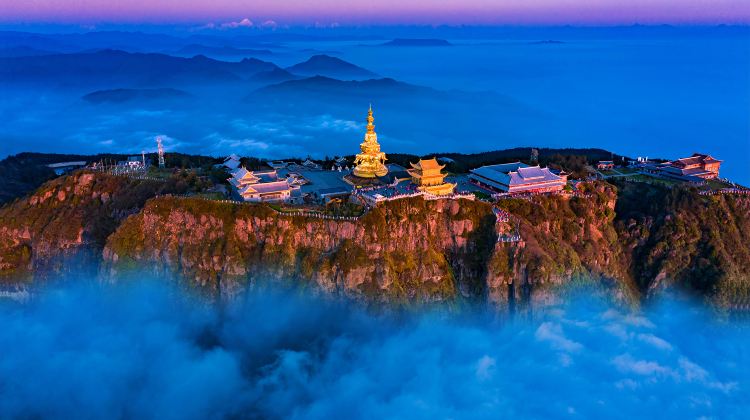
Plan for at least five to seven days to experience Sichuan's highlights. A classic itinerary includes two days in Chengdu for pandas and cuisine, two days for Jiuzhaigou Valley, and one day each for the Leshan Giant Buddha and Mount Emei. If you want to explore western Sichuan's Tibetan regions, add three to five more days. Most travelers find seven to ten days provides a satisfying introduction to the province.Is Sichuan safe for tourists?
Sichuan ranks as safe as other major Chinese tourist destinations. Violent crime against tourists remains rare, and locals generally prove helpful to visitors. Standard precautions apply: watch your belongings in crowded areas, use official taxis or ride-hailing apps, and keep copies of important documents. Western Sichuan's high-altitude regions require attention to altitude sickness, but otherwise pose no special safety concerns.What should I pack for a Sichuan trip?
Pack layers and rain gear regardless of season. Sichuan's weather changes quickly, especially in mountain regions. Bring comfortable walking shoes for city exploration and hiking trails. If visiting western Sichuan, include altitude sickness medication, warm clothing, sunscreen, and sunglasses for high-elevation sun protection. A portable umbrella helps during the rainy season from May through September.Can I see pandas year-round in Sichuan?
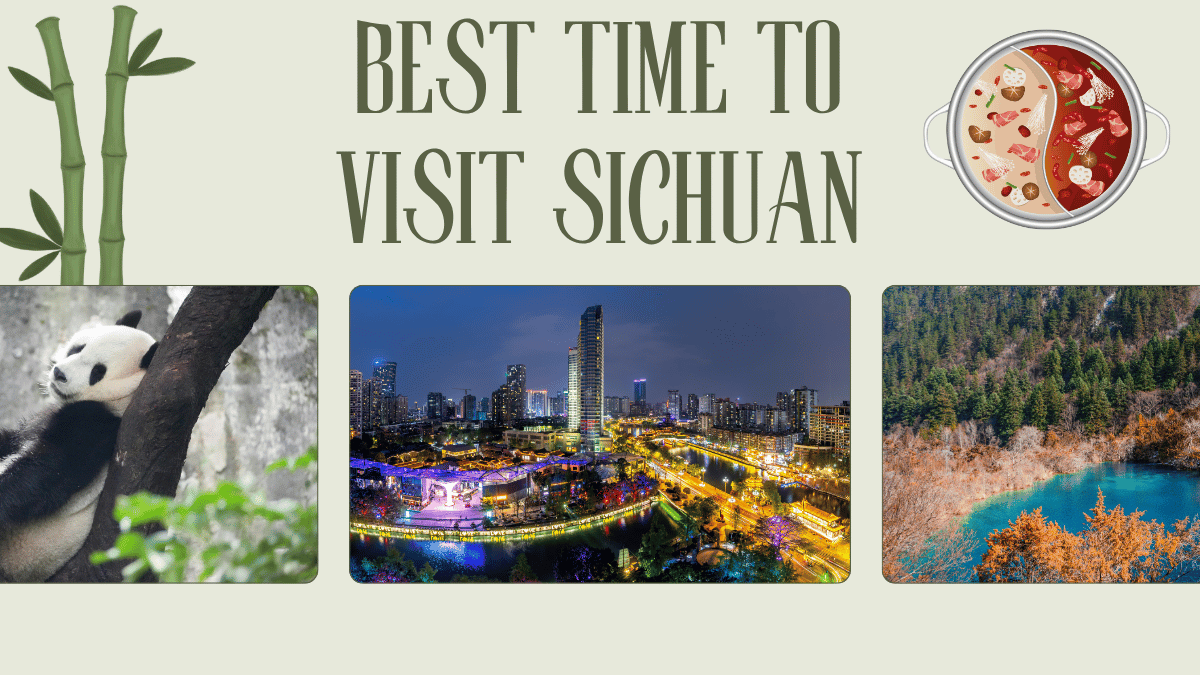
Yes, giant pandas live at the Chengdu Research Base year-round. However, pandas are most active during cooler months, from March to May and September to November. Summer heat makes pandas less active, and they often retreat to air-conditioned enclosures. Winter visits offer good viewing as pandas stay active in cool weather, though the base feels quieter with fewer tourists.