China Asia Best Time Travel Tips

A First-Timer Guide to Visiting the Great Wall of China

cover

You are about to visit one of humanity's most impressive architectural achievements. Stretching over 13,000 miles across northern China, the Great Wall attracts millions of visitors annually. But with multiple sections to choose from and logistics to figure out, first-time visitors often feel overwhelmed.

This guide covers everything you need to know for visiting the Great Wall of China, from choosing the right section to practical tips on transportation, timing, and what to pack. Whether you want a restored wall experience with cable cars or a wild hiking adventure, you will find the information you need to plan your visit.

Let us start with the basics: how many people visit the Great Wall each year? Approximately 10 million tourists visit the Beijing sections annually, with Badaling and Mutianyu receiving the majority. Understanding crowd patterns helps you choose the best time and section for your visit.


Which Section of the Great Wall Should You Visit?

Section Distance from Beijing Restoration Level Difficulty Crowd Level Key Features Best For
Badaling 70 km Fully restored Easy (cable cars, smooth paths) Heavy Ming Dynasty watchtowers and fortifications Families, elderly visitors, limited mobility
Mutianyu 73 km Restored Easy–Moderate (cable car up, toboggan down) Moderate (lighter on weekdays) 22 watchtowers across mountain ridges Balanced accessibility and authenticity; default tour choice
Jinshanling 130 km Mixed — restored and wild sections Challenging (steep climbs, uneven surfaces) Light 10.5 km stretch, 67 watchtowers, aged/overgrown appearance Serious hikers, photographers, history enthusiasts
Simatai 120 km Mostly unrestored (most authentic) Most challenging (steep climbs, loose bricks, narrow passages) Very light (advance registration required, eastern section only) The "Heavenly Ladder" climb Experienced hikers comfortable with heights


Badaling: The Most Popular Choice


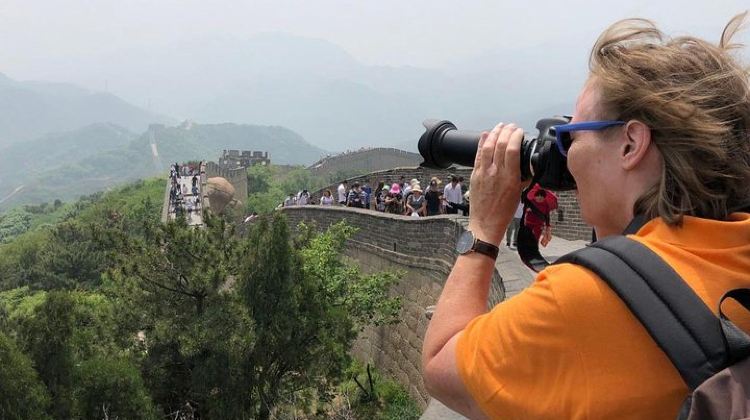
Badaling stands as the most visited and accessible section of the Great Wall. Located 70 kilometers northwest of Beijing, this fully restored section offers excellent infrastructure, including cable cars, smooth walking paths, and visitor facilities. The wall here dates from the Ming Dynasty and showcases impressive watchtowers and fortifications.

Badaling works well for families with children, elderly visitors, or anyone with limited mobility. The restored sections provide safe walking surfaces, and you can turn back whenever you want. However, popularity comes with drawbacks. During peak season and Chinese holidays, crowds become overwhelming, and you will compete with thousands of other visitors for photo opportunities.

badaling

Mutianyu: The Balanced Option


Mutianyu offers a middle ground between accessibility and authenticity. Located 73 kilometers from Beijing, this restored section sees fewer crowds than Badaling while maintaining excellent facilities. The section features 22 watchtowers and stretches across mountain ridges, providing dramatic views in all directions.

Mutianyu includes a cable car for ascending and a toboggan slide for descending, adding fun elements to your visit. The wall here proves less crowded than Badaling, especially on weekdays. Many Beijing Great Wall tours include Mutianyu as their default section because it balances accessibility with a more peaceful experience.

mutianyu

Jinshanling: For Serious Hikers


Jinshanling appeals to travelers seeking a more authentic, less crowded experience. Located 130 kilometers from Beijing, this section combines restored areas with wild, unrestored portions. The hiking here proves more challenging, with steep climbs and uneven surfaces, but rewards you with dramatic scenery and solitude.

The section stretches 10.5 kilometers along mountain ridges, featuring 67 watchtowers. You can hike for hours without encountering large crowds. The wall here shows its age, with vegetation growing through cracks and some sections partially collapsed. This raw, authentic appearance attracts photographers and history enthusiasts.

Simatai: The Wild Experience


Simatai represents the most unrestored section open to tourists. Located 120 kilometers from Beijing, this section preserves the wall's original appearance with minimal restoration work. The hiking proves challenging, with steep climbs, loose bricks, and narrow passages. Only the eastern section remains open to visitors, and you must register in advance.

Simatai offers the most authentic Great Wall of China tour experience. You will see the wall as it existed for centuries, before modern restoration. The section includes the famous "Heavenly Ladder," a steep climb along a narrow ridge. This section suits experienced hikers comfortable with heights and uneven terrain.

simatai

How to Get to the Great Wall of China

From Beijing by Public Transportation


Learning how to get to the Great Wall of China from Beijing requires understanding your transportation options. For Badaling, take the S2 train from Beijing North Station to Badaling Station. The journey takes about 80 minutes and costs 6 yuan. From the station, walk 15 minutes to the entrance.

For Mutianyu, take bus 916 Express from Dongzhimen Transportation Hub to Huairou District, then transfer to a local bus or taxi to the wall. The total journey takes 2-3 hours. This option proves affordable but requires patience and some Chinese language skills for navigation.

By Tour Bus or Private Car


Most visitors choose organized tours or private cars for convenience. Tour buses depart from central Beijing hotels and include transportation, entrance fees, and sometimes meals. If you prefer flexibility in your schedule, several Beijing tours offer private car options where you choose the departure time and make stops along the way.

A private car allows you to visit less accessible sections like Jinshanling or Simatai. The drive to Mutianyu takes 1.5-2 hours, while Jinshanling requires 2.5-3 hours. Many visitors to the Great Wall of China hire drivers for the day, allowing exploration at your own pace.

Tour Options


Beijing Great Wall tours range from budget group tours to luxury private experiences. Group tours typically include 15-30 people, with fixed schedules and multiple stops. These work well for budget travelers who want hassle-free transportation. For a more personalized experience, Great Wall tours with private guides let you customize the itinerary based on your fitness level and interests.

Private tours offer customized itineraries with your own guide and driver. You choose the departure time, which sections to visit, and how long to stay. Private tours cost more but provide flexibility and personalized attention. Many tours combine Great Wall visits with other Beijing attractions like the Forbidden City or Summer Palace.

Best Time to Visit the Great Wal

Spring and Autumn: Ideal Seasons


Spring (April to May) and autumn (September to October) offer the best conditions for visiting the Great Wall. Temperatures stay comfortable, ranging from 15°C to 25°C. The weather proves dry with clear skies, providing excellent visibility for photography.

Autumn particularly shines with clear air and comfortable hiking temperatures. The foliage changes color in October, creating dramatic backdrops against the gray wall. Spring brings blooming flowers and fresh greenery, though occasional dust storms can affect air quality in April.

the great wall

Summer: Hot and Crowded


Summer (June to August) brings heat and humidity to Beijing, with temperatures reaching 35°C. The wall offers little shade, making midday visits uncomfortable. However, early morning or late afternoon visits work well if you start before 8 AM or after 4 PM.

Summer coincides with Chinese school holidays from mid-July through August, bringing peak crowds. If you must visit during summer, choose weekdays and arrive early. Mutianyu and Jinshanling see fewer crowds than Badaling during this period.

Winter: Cold but Quiet


Winter (December to February) offers solitude and dramatic scenery. Temperatures drop below freezing, and snow occasionally covers the wall, creating photogenic landscapes. You will have the wall nearly to yourself, especially at sections like Jinshanling or Simatai.

Winter visits require warm clothing, including thermal layers, windproof jackets, gloves, and hats. The wind along the wall proves intense, and exposed sections feel much colder than Beijing city. If you can handle the cold, winter provides a unique, crowd-free experience.

What to Bring for Your Great Wall Visit

Essential Items

Pack these items for a comfortable Great Wall of China trip:

 
  • Small backpack to carry your belongings
  • Camera with extra batteries and memory cards
  • Sunscreen and hat for sun protection
  • Snacks or energy bars for sustained energy
  • Water bottles (at least 1-2 liters per person)
  • Comfortable walking shoes with good grip for uneven surfaces
Seasonal Additions

Adjust your packing based on the season. In summer, add cooling towels, portable fans, and light breathable clothing. In winter, pack thermal underwear, down jackets, warm socks, gloves, and hand warmers. Spring and autumn require layers, as temperatures change throughout the day.

Money and Documents

Bring cash for entrance fees, cable cars, and souvenirs. Most sections accept mobile payment through WeChat Pay or Alipay, but cash works everywhere. Carry your passport, as some sections require ID registration. Keep copies of important documents separate from originals.

Practical Tips for First-Time Visitors

Timing Your Visit


Arrive early to beat crowds and heat. Most tour groups arrive between 9 AM and 11 AM. If you arrive when sections open (typically 7:30-8:00 AM), you will have the wall nearly to yourself for the first hour. Early morning light also proves best for photography.

Plan to spend 3-4 hours at the wall if hiking, or 2-3 hours if taking cable cars and focusing on main sections. Rushing through the experience means missing details and photo opportunities. Allow time to explore watchtowers and walk along different segments.

Physical Preparation


The Great Wall involves significant climbing, even at restored sections. Badaling and Mutianyu feature steep stairs and inclines. Prepare by doing some stair climbing or hiking in the weeks before your visit. If you have knee problems, bring knee braces or hiking poles for support.

Pace yourself, especially at unrestored sections like Jinshanling or Simatai. The climbs prove steep, and loose bricks require careful footing. Take breaks at watchtowers, drink water regularly, and listen to your body. There is no shame in turning back if you feel tired.

Safety Considerations


Stay on marked paths at restored sections. In unrestored areas, exercise extreme caution on loose bricks, steep drops, and narrow passages. Never climb on damaged sections or attempt shortcuts. Weather can change quickly in the mountains, so watch for signs of storms.

Keep children close at all times. The wall lacks guardrails in many places, and drops prove steep and dangerous. Hold young children's hands on stairs and narrow sections. Bring a child carrier for toddlers who cannot handle the climbing.

Conclusion

Visiting the Great Wall of China ranks as a once-in-a-lifetime experience for most travelers. Whether you choose the accessibility of Badaling, the balance of Mutianyu, or the adventure of Jinshanling, you will witness one of humanity's greatest achievements. The wall's sheer scale and historical significance leave lasting impressions on every visitor.

Tours4fun specializes in crafting Great Wall experiences that match your interests and fitness level. Their expert guides handle logistics, provide historical context, and ensure you make the most of your visit. You can explore various China vacation packages that include different sections based on your preference for crowds, difficulty, and scenery.


FAQ

How many people visit the Great Wall each year?

Approximately 10 million tourists visit the Beijing sections of the Great Wall annually. Badaling receives the most visitors, with up to 80,000 people per day during peak season. Mutianyu sees 20,000-30,000 visitors daily, while Jinshanling and Simatai attract far fewer, typically under 5,000 per day.

How long does it take to walk the Great Wall?

A typical visit lasts 3-4 hours for hiking 2-3 kilometers along the wall. You can walk the entire Badaling section (3.7 kilometers) in 2-3 hours. Mutianyu's full stretch takes 4-5 hours. Hiking from Jinshanling to Simatai covers 10 kilometers and requires 5-6 hours. Most visitors do not attempt the full wall, which would take months.

Is the Great Wall of China dangerous?

Restored sections like Badaling and Mutianyu are safe for most visitors. The paths are well-maintained with handrails on steep sections. Unrestored areas like Jinshanling and Simatai require more caution due to loose bricks, steep drops, and uneven surfaces. Follow marked paths, watch your footing, and avoid visiting during storms or icy conditions.

Can I camp on the Great Wall?

Camping on the Great Wall is officially prohibited at most sections to protect the structure and ensure visitor safety. Some unauthorized camping occurs at wild sections, but rangers actively discourage this practice. If you want an overnight experience, consider staying at guesthouses near the wall instead.

How much does it cost to visit the Great Wall?

Entrance fees range from 40-65 yuan depending on the section. Badaling costs 40 yuan in peak season (April-October) and 35 yuan in the off-season. Mutianyu charges 40 yuan plus 120 yuan for the cable car round trip. Jinshanling costs 65 yuan. Additional costs include transportation, food, and souvenirs.