


The smartest way to use a grand canyon travel guide is to choose the rim before booking a hotel, rental car, or tour. For most first-time visitors, the South Rim is the most practical default: it is open year-round, delivers the classic national park scenery, and has the broadest mix of viewpoints, shuttles, lodging, and visitor services. Grand Canyon Village is the practical center of that experience. The North Rim rewards travelers who value quiet and are already routing through southern Utah, but its season and services are limited. Grand Canyon West is a separate Hualapai destination—not part of Grand Canyon National Park—and often makes more sense for a short Las Vegas trip. One full day can cover essential South Rim views; two nights produce a calmer, more flexible visit. A tour earns its cost when it removes a punishing driving day or coordinates several Southwest stops. Check official road, trail, water, weather, and shuttle updates shortly before departure, since conditions can change quickly.
Grand Canyon Travel Guide: Rims, Village and Tours


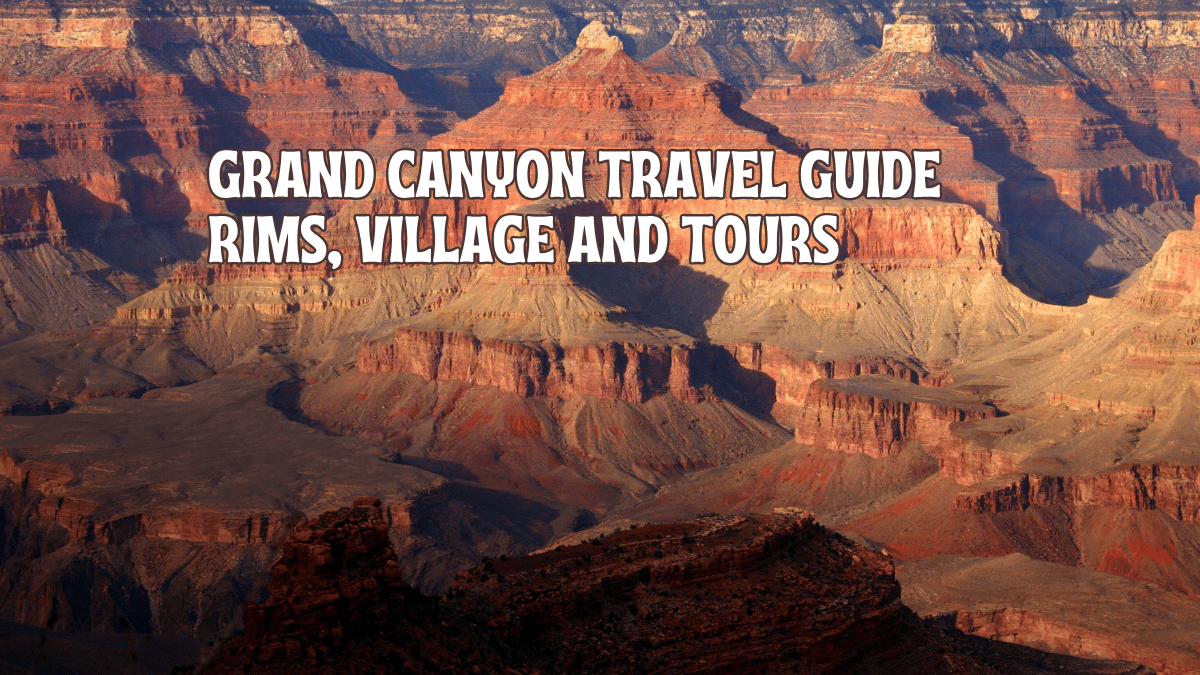
Where Is the Grand Canyon

If your first question is where is the grand canyon, the direct answer is northern Arizona. The more useful answer is that “the Grand Canyon” can refer to destinations with different entrances, operators, and driving routes. Grand Canyon National Park contains the South Rim and North Rim. Grand Canyon West, including the Skywalk, is managed by the Hualapai Tribe under its own admission system. Las Vegas is a common departure city, not the canyon’s home state. The South Rim is generally approached through Williams, Flagstaff, or the East Entrance near Cameron. The North Rim is reached through Jacob Lake and Highway 67. Grand Canyon West lies on the canyon’s western side and is substantially closer to Las Vegas than the national park’s South Rim. This distinction prevents the most expensive planning mistake: reserving a hotel or tour before confirming the rim. The South and North Rims face each other across the canyon, yet driving between them takes hours because there is no road across the chasm. A useful grand canyon national park travel guide therefore treats each rim as a destination, not as a neighboring viewpoint.
South Rim, North Rim or West Rim
| Option | Best fit | Main trade-off |
| South Rim | First visits, families, classic national park views | Year-round access and the most services, but also the largest crowds |
| North Rim | Repeat visitors, quiet scenery, southern Utah road trips | Seasonal access and limited services require more preparation |
| Grand Canyon West | Short Las Vegas trips and Skywalk interest | Convenient from Las Vegas, but separate from the national park |
South Rim
For most readers, a grand canyon south rim travel guide can be reduced to four planning anchors: Grand Canyon Village, the Rim Trail, Hermit Road, and Desert View Drive. The South Rim has enough infrastructure to support a first visit without making the landscape feel secondary. You can park, use free park shuttles, walk between several viewpoints, and stay close enough to see the rim in changing light.North Rim
A grand canyon north rim travel guide is more conditional. The higher, quieter rim fits a southern Utah road trip and visitors willing to trade convenience for space. The North Rim reopened for the 2026 season after the Dragon Bravo Fire, but there is no in-park lodging and no potable tap water anywhere on the rim. Bottled water and limited supplies may be available at the General Store, while several trails remain closed or affected.Grand Canyon West
Choose Grand Canyon West when Las Vegas proximity and the Skywalk matter more than visiting the national park. Its admission, transport, and visitor experience are different, so compare total cost and included features rather than assuming a national park pass applies. Still choosing between the two most common Las Vegas options? See our detailed grand canyon west rim vs. south rim comparison.Grand Canyon Village: Where Most First-Time Visits Begin

For planning purposes, grand canyon village is best understood as three connected zones. The Visitor Center and Mather Point area handle arrival, orientation, large parking lots, and a first canyon view. Market Plaza supplies groceries, basic services, camping access, and practical errands. The Historic District puts lodging, restaurants, the Bright Angel Trailhead, historic buildings, and rim views within walking distance. That layout suggests a low-stress first day: park once, orient yourself at the Visitor Center, walk a manageable Rim Trail segment, and use the shuttle to connect the areas you do not want to walk. Avoid chasing every named overlook. The canyon changes with light and weather, and unhurried time at two or three viewpoints is usually more memorable than a checklist of ten. Travelers staying in Las Vegas without a car face a different problem: reaching the national-park South Rim and navigating a very long day. The Grand Canyon South Rim Bus Tour with IMAX Tickets is designed for that scenario, with Las Vegas transport and a South Rim focus. It is a long outing rather than a substitute for an overnight stay, but it removes the driving and makes the visited rim explicit.
Recommend Tour


5.0
Tour Code: 224278Start / End City
Las Vegas
Duration
14.0 Hours
City & Attractions
Grand Canyon, Grand Canyon National Park, Bright Angel Lodge+3 more
Languages
English Audio
Group Size
Max. 50 travelers
Tour Audience
Mixed International Travelers
From
$150.00
How Many Days Do You Need
One day is enough for the essential South Rim experience if you arrive early and resist overplanning. Prioritize a classic viewpoint, a short section of the Rim Trail, Grand Canyon Village, and either Hermit Road or Desert View—not both at a frantic pace. A same-day round trip from a distant city leaves far less canyon time than a day that begins near the entrance. Two days allow a better rhythm. Use one for the village and western viewpoints, then reserve the other for Desert View Drive, an easy walk, a ranger activity, or a weather backup. Sunrise and sunset become options rather than deadlines. Three days or more allow you to combine the Grand Canyon with one nearby destination, while a broader Southwest loop usually requires a longer trip. Travelers trying to combine the canyon with Page-area attractions face a different trade-off: either add more independent travel days or accept the faster pace of an organized itinerary. This two-day East and South Rim tour from Las Vegas suits travelers who accept that pace in exchange for coordinated hotels, transport, and Page-area sights. Independent travelers who want longer hikes or flexible light should add nights instead. For detailed schedules, read how many days at the grand canyon.
Recomend Tour

5.0( 110 reviews )
Tour Code: 728592Start / End City
Las Vegas
Duration
2.0 Days
City & Attractions
Page, Coconino County, Kane County+7 more
Languages
Chinese Live, English Live
Group Size
Max. 55 travelers
Tour Audience
Primarily Mandarin-Speaking Travelers
From
$282.86
Best Things to Do at the Grand Canyon
The best activities fall into four clear groups. Senic viewpoints and drives:the village overlooks, Hermit Road, and Desert View Drive offer broad views without requiring a strenuous hike. Rim walks: the mostly level Rim Trail lets visitors control distance and turn around easily, making it one of the park’s most adaptable experiences. Below-rim hiking is a different category. Trails descend before they climb, so the easy-feeling first mile can create a difficult return. A short descent should be planned around fitness, heat, water, and daylight—not treated as an extension of a viewpoint stop. Leave trail-by-trail decisions to current NPS guidance and a dedicated hiking plan. Programs and easy activities: ranger programs, cycling, and accessible overlooks; some can be joined without advance booking. Advance-booking experience: mule trips, rafting, and many guided excursions, which may have seasonal, age, fitness, or operator requirements. That division is more useful than a long attraction list. Explore additional choices in things to do in the grand canyon.
Best Time to Visit Grand Canyon

Spring and fall offer the best planning balance for many travelers: more comfortable hiking temperatures than midsummer and generally broader access and services than winter. They are not weather guarantees. Snow, wind, temperature swings, and changing road or shuttle operations can still affect a trip, especially at rim elevations. Summer delivers long daylight and the broadest visitor-service calendar, but crowds are heavier and inner-canyon heat can be dangerous. A pleasant morning at the rim does not mean the temperature below is safe. Keep summer plans rim-focused unless you have a conservative, heat-aware hiking strategy. Winter can be beautiful and quieter at the South Rim, with snow adding both atmosphere and risk. The North Rim is seasonal, so it should never be assumed open for a winter itinerary. For a month-by-month view of weather, crowds, and access, see best time to visit the grand canyon.
How to Get There and Get Around
Match the gateway to the rim. Flagstaff and Williams are practical South Rim bases; Phoenix works for a longer Arizona road trip. Kanab and Jacob Lake align with the North Rim. Las Vegas is the natural base for Grand Canyon West and a possible—though lengthy—departure point for the South Rim. A rental car offers the most schedule control, especially for Desert View Drive and overnight stays. The Grand Canyon Railway from Williams trades flexibility for a distinctive car-free arrival. Inside the South Rim, the free shuttle system connects the Visitor Center, village services, trailheads, and seasonal scenic routes.
Should You Book a Grand Canyon Tour

For many visitors, grand canyon tours are most persuasive when they solve a logistical problem. They can work well for a car-free visitor, someone facing a long same-day drive from Las Vegas, or a traveler combining several regional destinations without wanting to coordinate hotels and transfers. They are less necessary for someone staying near the South Rim with a rental car and enough time to adapt the day. Do not compare tours by headline price alone. Confirm the rim, departure city, total duration, estimated time at the canyon, admission included, meal or activity surcharges, language, pickup point, and cancellation terms. A “Grand Canyon” tour may visit the West Rim, South Rim, or multiple places at a pace you would not choose independently. The practical rule is simple: buy a tour for transport, routing, or access—not because the canyon itself requires a guide.
Where to Stay in Grand Canyon
| Base | Best for | Planning note |
| Inside Grand Canyon National Park | Maximum rim time and easy sunrise or sunset access | Book early; location is the main advantage |
| Tusayan | South Rim convenience with more off-rim choices | Close to the South Entrance; seasonal transport may help |
| Williams or Flagstaff | Road trips, rail travel, and broader dining options | Allow for the drive before and after the park |
| Las Vegas | Tour departures, especially to Grand Canyon West | Not a relaxed substitute for staying near the South Rim |
Inside-park lodging is the strongest choice when budget and availability allow. You gain early and late access to the rim and spend less of the day commuting. Tusayan is the closest practical alternative for most South Rim visitors. Williams adds railway access and Route 66 character, while Flagstaff offers a larger town base that can support a broader northern Arizona itinerary. Two details often matter more than the nightly rate. First, compare the property with the entrance you will actually use, not with a generic “Grand Canyon” map label. A cheaper room can lose its value if it adds two long drives to a short visit.
Second, decide whether sunrise and sunset are priorities. Staying at the rim makes those periods easier and reduces the temptation to drive dark, wildlife-active roads while tired. Travelers arriving late should also check dining hours and grocery access; services become limited sooner than they might in a city. If an inside-park room is unavailable, Tusayan usually preserves the most canyon time, while Williams or Flagstaff makes more sense when the Grand Canyon is one stop within a wider Arizona route. Always verify the actual drive to your chosen entrance. A property can use “Grand Canyon” in its name while sitting far from the rim you plan to visit. For the North Rim in 2026, in-park lodging is unavailable; visitors should check official updates and consider outside bases such as Jacob Lake or Kanab.
What to Book Before Your Grand Canyon Trip

Reserve location-sensitive and capacity-limited experiences first: in-park lodging, popular campgrounds, mule trips, river trips, and high-demand guided tours. A desirable room near the rim affects every day of the trip, while the choice between two accessible viewpoints usually does not. Leave daily sequencing flexible. Weather, smoke, road work, crowds, and shuttle operations can make a theoretically perfect plan less useful on arrival. Grand Canyon National Park currently does not require a timed-entry reservation, but visitors still need valid admission. Grand Canyon West uses its own admission system, and a national park pass does not replace that ticket. Tour prices may also exclude optional activities, meals, gratuities, or mandatory fees. Read the current product page at checkout rather than relying on an old advertised price.
Grand Canyon Safety Tips
Rim weather is not inner-canyon weather. Temperature rises as trails descend, shade is limited, and the return climb demands more effort than the way down. The National Park Service regularly warns summer hikers to avoid strenuous inner-canyon travel during the hottest part of the day. A rim walk is the lower-risk choice when heat, fitness, or timing is uncertain.
• Carry water and food appropriate to the route; never assume a seasonal water source is operating.
• Turn around earlier than feels necessary, accounting for the uphill return and fading daylight.
• Move away from exposed edges during lightning and expect ice or snow to change winter footing.
• Check roads, trails, shuttles, weather, and water status immediately before setting out.
Before-you-go check: Confirm the rim, entrance, drive time, weather, closures, trail status, water availability, and return plan. If one of those answers is unclear, simplify the day.
• Carry water and food appropriate to the route; never assume a seasonal water source is operating.
• Turn around earlier than feels necessary, accounting for the uphill return and fading daylight.
• Move away from exposed edges during lightning and expect ice or snow to change winter footing.
• Check roads, trails, shuttles, weather, and water status immediately before setting out.
Before-you-go check: Confirm the rim, entrance, drive time, weather, closures, trail status, water availability, and return plan. If one of those answers is unclear, simplify the day.
FAQ
Which rim of the Grand Canyon is best for first-time visitors
The South Rim is best for most first-time visitors because it combines iconic scenery with year-round access, shuttles, lodging, and the easiest visitor logistics. Choose the North Rim for seasonal solitude or a southern Utah route, and Grand Canyon West for a shorter Las Vegas-based visit.Can you visit Grand Canyon Village without a car
Yes, but you need a plan for reaching the South Rim. Options include the Grand Canyon Railway, a guided tour, or limited regional transport. Once at the village, walking and free park shuttles connect many major viewpoints and services.Can you see the Grand Canyon in one day
Yes. One well-planned day can include a classic viewpoint, a short Rim Trail walk, Grand Canyon Village, and one scenic area. It is not enough for combining distant rims or attempting a major below-rim hike.Are Grand Canyon tours worth it
They are worth considering for car-free visitors, Las Vegas day-trippers, and travelers building a multi-destination route. If you have a rental car, an overnight stay near the South Rim, and time to plan, self-driving usually offers better flexibility.You May Also Like
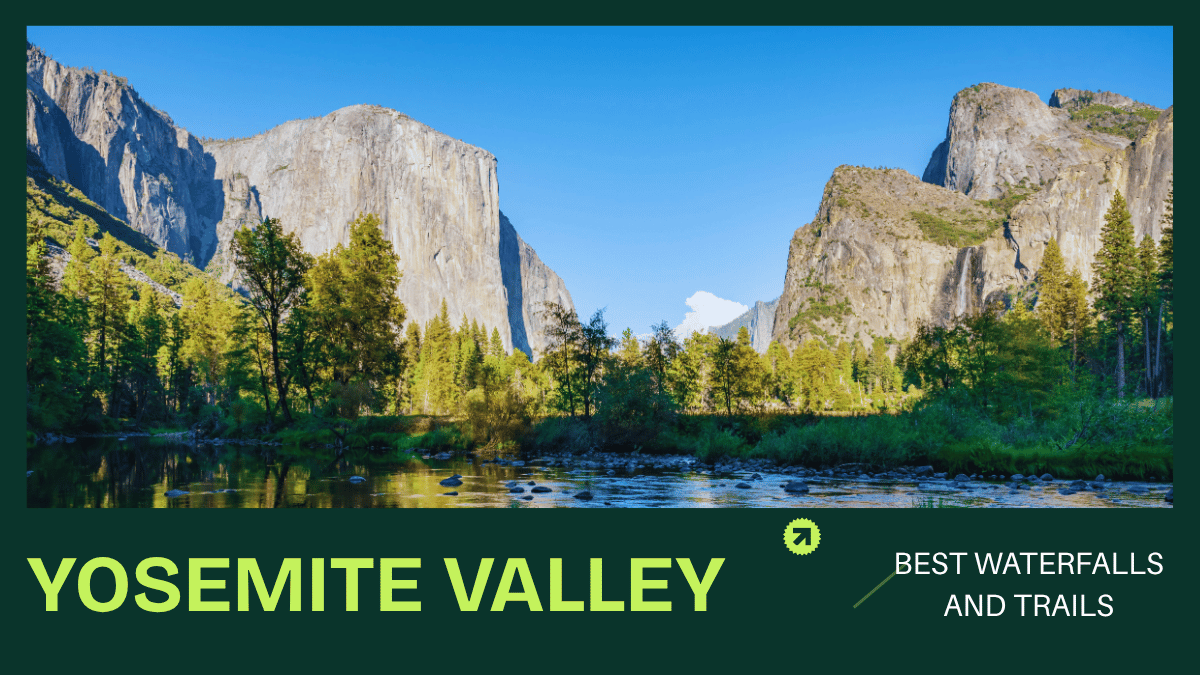
What Are the Best Waterfalls and Trails in Yosemite Valley?
20 Oct 2026

Tours4fun at Arival Spokane 2026 | Small Group Travel Future
20 Oct 2026
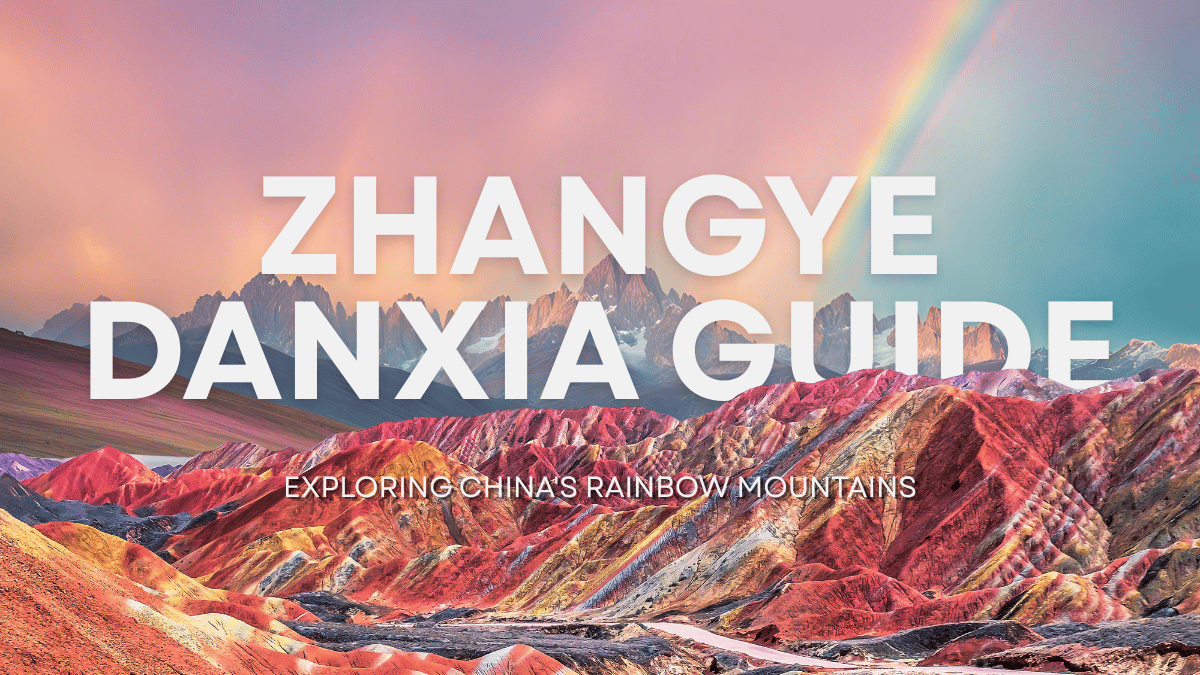
Zhangye Danxia Guide: Exploring China's Rainbow Mountains
20 Oct 2026
Summary
Where Is the Grand Canyon
South Rim, North Rim or West Rim
Grand Canyon Village: Where Most First-Time Visits Begin
How Many Days Do You Need
Best Things to Do at the Grand Canyon
Best Time to Visit Grand Canyon
How to Get There and Get Around
Should You Book a Grand Canyon Tour
Where to Stay in Grand Canyon
What to Book Before Your Grand Canyon Trip
Grand Canyon Safety Tips
FAQ
America's 250th Anniversary Mega Sale


