Zoella Last updated 14 Sep 2026
China's ancient towns offer a window into the country's rich cultural heritage, with centuries-old architecture, traditional lifestyles, and picturesque waterways that have inspired poets and painters for generations. These best ancient towns in China preserve the essence of traditional Chinese life, from the famous water town China destinations in the Yangtze Delta to the remote mountain villages of the south.
Whether you're seeking the classic canal scenery of water town China Zhouzhuang, the ethnic minority culture of Furong ancient town China, or the riverside beauty of Fenghuang ancient town China, each destination offers a unique glimpse into the past. This guide covers the top 10 must-visit ancient towns and water villages, helping you plan an unforgettable China tour through time.
Why Visit China's Ancient Towns?
China's ancient towns and water villages represent over a thousand years of continuous history. Unlike modern cities that have rapidly transformed, these settlements have preserved their traditional architecture, local customs, and way of life. Walking through narrow stone-paved streets, crossing ancient bridges, and watching locals go about daily routines feels like stepping back in time.
The water town destinations in China are particularly special, with networks of canals replacing streets and boats serving as transportation. These towns developed along China's major waterways during the Ming and Qing dynasties, becoming centers of trade, culture, and scholarship. Today, they offer visitors a chance to experience authentic Chinese culture away from the crowds of major tourist destinations.
1. Zhouzhuang: The Venice of the East
Zhouzhuang is China's most famous water town, often called the "Venice of the East." Located between Suzhou and Shanghai, this 900-year-old town features 15 stone bridges, narrow canals, and over 100 preserved courtyard houses from the Ming and Qing dynasties. The twin bridges (Shide and Yongan) are its most iconic feature, famously painted by renowned artist Chen Yifei.
Key Highlights
Take a wooden boat ride through the narrow canals, visit the Fu'an and Zhang halls (ancient mansions), and explore the century-old tea houses. The town is especially magical at dawn and dusk when tour groups are smaller, and the light creates perfect reflections on the water. Don't miss the local specialty of Wansan pork trotter, a braised delicacy named after a wealthy Ming dynasty merchant.

Practical Info
Location: 60 km southeast of Suzhou, Jiangsu Province. Best time to visit: Early morning or late afternoon to avoid crowds. Entrance fee: 100 yuan (valid for 3 days). Getting there: Take a bus from Suzhou or Shanghai (1.5-2 hours). Allow 3-4 hours for a complete visit, or stay overnight in a traditional inn for the full experience. 2. Tongli Water Town China: Less Crowded Charm
Tongli Water Town, China, offers a more relaxed alternative to Zhouzhuang while maintaining authentic charm. This 1,000-year-old town features 49 stone bridges and a network of canals that divide the town into seven islands connected by ancient bridges. The Retreat and Reflection Garden, a UNESCO World Heritage Site, is a masterpiece of classical Chinese garden design.
Key Highlights
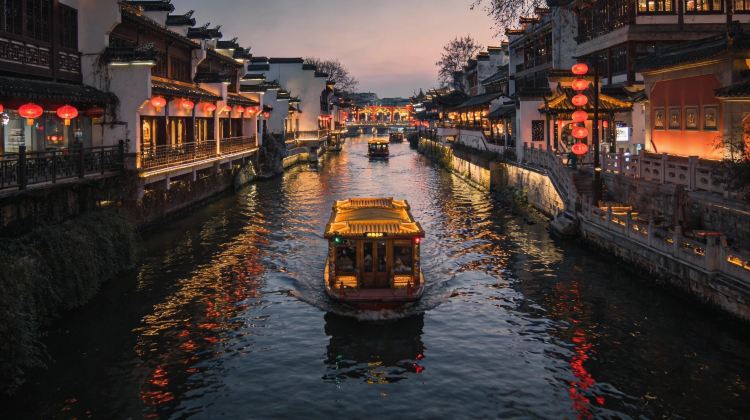
Visit the Tuisi Garden (Retreat and Reflection Garden), explore the Ming and Qing dynasty streets, and cross the famous Taiping, Jili, and Changsi bridges. The town's water market, where locals sell produce from boats, offers a glimpse into traditional commerce. Evening lantern-lit cruises create a romantic atmosphere as traditional music echoes across the water.

Practical Info
Location: 18 km from Suzhou, Jiangsu Province. Best time to visit: Weekdays and off-season (November-February) for fewer crowds. Entrance fee: 100 yuan. Getting there: Take bus No. 97 from Suzhou or a taxi (30 minutes). Allow 4-5 hours for a thorough exploration. 3. Wuzhen: Internet Town Meets Ancient Charm
Wuzhen uniquely blends 1,300 years of history with modern technology. This water town in China gained international fame as the host of the World Internet Conference, creating a fascinating contrast between ancient architecture and cutting-edge innovation. The town is divided into East (traditional) and West (commercial) zones, each offering different experiences.
Key Highlights
Explore the East Zone for authentic traditional life, with residents still living in ancient houses and practicing traditional crafts. The West Zone offers polished tourist facilities, boutique hotels, and the impressive Wuzhen Theatre. Visit the Bai Bed Tower, the ancient shipyard, and the Blue Print Fabric Workshop. The town's night scenery, with illuminated bridges and reflections on the canals, is spectacular.

Practical Info
Location: 130 km from Shanghai and 100 km from Hangzhou, Zhejiang Province. Best time to visit: April-May or September-November. Entrance fee: 150 yuan for the East Zone, 190 yuan for the combined ticket. Getting there: Take a bus from Shanghai or Hangzhou (2 hours). Consider staying overnight in the West Zone's luxury hotels for the full experience. 4. Xitang: Covered Corridors and Nightlife
Xitang stands out for its unique covered corridors (langpeng) stretching over 1 kilometer along the riverside, providing shelter from rain and sun. This water town gem in China has 98 stone bridges and 122 lanes, creating a labyrinth of passages perfect for exploration. Unlike other ancient towns, Xitang comes alive at night with bars and cafes catering to young travelers.
Key Highlights
Walk the covered corridors, visit the Root Carving Museum, and explore the 11 ancient bridges. The town's nightlife scene along the river offers a unique blend of traditional atmosphere and modern entertainment. During the Wafu Festival (April), locals perform traditional folk activities. The Songzi Lai Feng Bridge offers the best photo opportunity of the town's waterway network.

Practical Info
Location: 90 km from Shanghai and 110 km from Hangzhou, Zhejiang Province. Best time to visit: Rainy days to experience the covered corridors, or evenings for nightlife. Entrance fee: 95 yuan (includes 11 small attractions). Getting there: Take a bus from Shanghai or Hangzhou (1.5 hours). Allow 4-6 hours, or stay overnight to experience both daytime charm and evening energy. 5. Fenghuang Ancient Town China: Phoenix Town of the Miao People
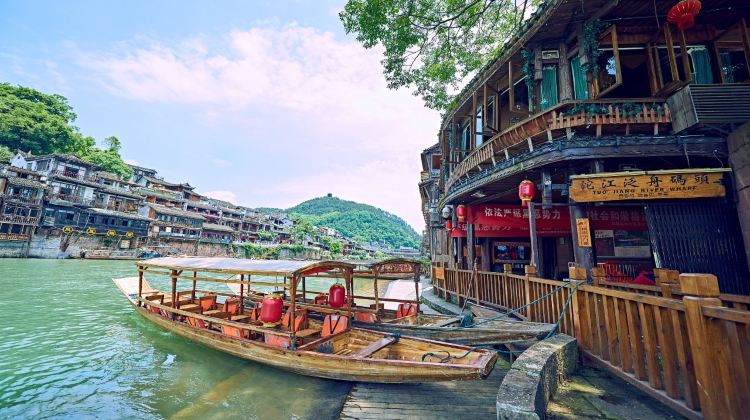
Fenghuang Ancient Town, China, meaning "Phoenix Town," sits along the Tuojiang River in western Hunan Province, surrounded by mountains and home to the Miao and Tujia ethnic minorities. Unlike the water towns of eastern China, Fenghuang offers a completely different cultural experience, with stilted wooden houses clinging to the riverbanks and traditional minority costumes adding color to the streets.
Key Highlights
Cross the Tuojiang River on traditional wooden boats, visit the ancient city walls and gates, and visit the former residence of Shen Congwen, a famous Chinese writer who immortalized the town in his novels. The night market along the riverside offers local specialties and handicrafts. The town's atmosphere is particularly magical in the early morning mist or evening lantern light.

Practical Info
Location: Xiangxi Tujia and Miao Autonomous Prefecture, Hunan Province. Best time to visit: March-May or September-November for comfortable weather. Entrance fee: 148 yuan (includes 9 attractions). Getting there: Fly to Tongren Airport (30 km away) or take a bus from Zhangjiajie (4 hours). Allow 2-3 days to fully experience the town and surrounding villages. 6. Lijiang: Ancient Town of the Naxi People
Lijiang Old Town, a UNESCO World Heritage Site, showcases the unique culture of the Naxi ethnic minority in Yunnan Province. The town's layout follows traditional feng shui principles, with water from the Black Dragon Pool flowing through the town via an ingenious system of canals and bridges. The Naxi people's Dongba culture, with its pictographic writing system, adds fascinating cultural depth.
Key Highlights
See the Old Town's maze of cobblestone streets, visit the Mu Family Mansion (former residence of local rulers), and climb Lion Hill for panoramic views. The Black Dragon Pool Park offers the classic photo of the town with Jade Dragon Snow Mountain in the background. Evening performances of Naxi ancient music provide insight into this unique culture. The nearby Baisha Village features ancient murals from the Ming Dynasty.

Practical Info
Location: Northwest Yunnan Province, at 2,400 meters elevation. Best time to visit: Year-round, but spring and autumn offer the clearest mountain views. Entrance fee: 80 yuan for the Old Town maintenance fee. Getting there: Fly to Lijiang Airport or take a bus from Kunming (8 hours). Allow 2-3 days for the town, plus time for Jade Dragon Snow Mountain and Tiger Leaping Gorge. 7. Pingyao: Best-Preserved Ancient Walled City
Pingyao Ancient City is China's best-preserved walled city, offering an authentic glimpse into Ming and Qing dynasty urban life. This UNESCO World Heritage Site maintains its original layout, with 300 ancient houses, 100 shops, and a complete city wall circuit. During the Qing Dynasty, Pingyao was China's financial center, home to the country's first draft banks.
Key Highlights
Walk the 6-kilometer city wall circuit, visit the Rishengchang Draft Bank (China's first bank), and visit the County Government Office. The city's streets are lined with traditional shops selling local specialties like Pingyao beef and longmao (a type of noodle). The annual Pingyao International Film Festival transforms the ancient city into a modern cultural hub each September.

Practical Info
Location: Shanxi Province, 100 km south of Taiyuan. Best time to visit: April-October for comfortable weather. Entrance fee: 125 yuan (includes 22 attractions). Getting there: Take a high-speed train from Beijing (6 hours) or Taiyuan (1.5 hours). Allow 2 days to see the walled city thoroughly. 8. Furong Ancient Town China: Hanging Village on the Cliff
Furong, Ancient Town China, also known as Furong Village, clings to a waterfall-draped cliff in Hunan Province. This 2,000-year-old Tujia ethnic minority village gained fame as a filming location for the movie "The Old Town." The village's unique architecture features stilted wooden houses built along the cliff face, with the 100-meter-high Furong Waterfall cascading through the settlement.
Key Highlights
Cross the ancient bridge beneath the waterfall, visit the Tujia ethnic museum, and hike the trails around the village. The Guigu (Mysterious) Valley nearby features unusual geological formations and ancient trees. The village's night scene, with the illuminated waterfall and traditional houses, is remarkable. Local Tujia specialties include smoked meat and rice wine.

Practical Info
Location: Xiangxi Tujia and Miao Autonomous Prefecture, Hunan Province. Best time to visit: April-October for waterfall flow and comfortable hiking weather. Entrance fee: 100 yuan. Getting there: Take a bus from Zhangjiajie (2.5 hours) or Fenghuang (2 hours). Allow 1-2 days to see the village and surrounding area. 9. Nanxun: Silk Merchant's Heritage
Nanxun was once home to wealthy silk merchants during the Ming and Qing dynasties, leaving behind an extraordinary collection of grand mansions and gardens that blend Chinese and Western architectural styles. This water town destination in China is less touristy than its famous neighbors, offering a more peaceful experience while showcasing the opulence of ancient Chinese merchant families.
Key Highlights
Visit Zhang Shiming's Former Residence, a massive mansion combining Chinese and Baroque elements. Visit the Liu Family Garden (Little Lotus Manor), featuring a unique blend of Eastern and Western design. The Jiali Library houses rare books and manuscripts. The town's silk heritage is celebrated in local museums and workshops.

Practical Info
Location: 120 km from Shanghai, Zhejiang Province. Best time to visit: Weekdays to avoid weekend crowds from Shanghai. Entrance fee: 80 yuan. Getting there: Take a bus from Shanghai or Huzhou (2 hours). Allow 3-4 hours for a complete visit. 10. Huangyao: 2,700 Years of History
Huangyao is one of China's oldest ancient towns, with a history spanning 2,700 years. Located in Shanxi Province, this well-preserved town features intact city walls, traditional courtyard houses, and a unique layout based on feng shui principles. Unlike more commercialized ancient towns, Huangyao maintains an authentic atmosphere with residents continuing traditional crafts and daily routines.
Key Highlights
Walk the ancient city walls, visit the Qingxu Guan (Temple of Purified Void), and see the traditional courtyard houses. The town was historically important for vinegar production, and local vinegar shops continue this tradition. The North Gate and South Gate offer panoramic views of the old town. The annual Temple Fair in the second lunar month features traditional performances and local customs.
Practical Info
Location: Jinzhong City, Shanxi Province. Best time to visit: April-October for comfortable weather. Entrance fee: 120 yuan (includes all attractions). Getting there: Take a bus from Taiyuan (3 hours) or Pingyao (1.5 hours). Allow 1-2 days to visit the town thoroughly. How to Choose the Right Ancient Town
With so many ancient Chinese towns to choose from, selecting the right destination depends on your interests and travel style. For classic water town scenery with canals and bridges, Zhouzhuang, Tongli, and Wuzhen offer the quintessential experience. These towns are easily accessible from Shanghai and Suzhou, making them ideal for shorter trips.
If you prefer ethnic minority culture and mountain scenery, Fenghuang, Lijiang, and Furong provide completely different experiences from the eastern water towns. These destinations require more travel time but offer unique cultural immersion and dramatic landscapes. For history enthusiasts, Pingyao and Huangyao showcase ancient urban life with remarkably preserved architecture and artifacts.
Consider your available time, travel style, and interests when planning your itinerary. Many travelers combine visits to multiple ancient towns in a single trip, especially when exploring regions like the Yangtze Delta or Yunnan Province.
Conclusion
China's ancient towns and water villages offer an unforgettable journey through the country's rich cultural heritage. From the canal-lined streets of the water town of Zhouzhuang to the cliff-hanging houses of Furong Ancient Town, China, each destination provides a unique window into traditional Chinese life. Whether you seek the ethnic culture of Fenghuang Ancient Town, China, or the merchant heritage of Nanxun, these historic settlements preserve the essence of China's past.
Ready to explore these timeless destinations? Browse China vacation packages at Tours4fun for guided itineraries that include these ancient towns with expert commentary and hassle-free logistics. Whether you prefer independent exploration or guided experiences, China's ancient towns are waiting to transport you back in time.
FAQ
What is the best water town to visit near Shanghai?
Zhouzhuang is the most famous water town near Shanghai, located about 60 kilometers away. However, if you prefer fewer crowds, Tongli or Xitang offer equally authentic experiences with shorter travel times. Wuzhen is another excellent choice, particularly if you want modern facilities alongside traditional charm. All these water town China destinations are accessible within 1.5-2 hours from Shanghai.How many days do you need to visit ancient towns in China?
For water towns near Shanghai or Suzhou, plan 1-2 days to visit 2-3 towns. Each town requires 3-5 hours for a thorough exploration. For ancient towns in remote areas like Fenghuang or Lijiang, allocate 2-3 days per destination to fully experience the culture and surrounding attractions. A comprehensive ancient towns tour covering multiple regions typically requires 7-10 days.Are China's ancient towns crowded with tourists?
Popular water towns like Zhouzhuang and Wuzhen can be very crowded, especially during weekends, holidays, and peak season (April-October). To avoid crowds, visit early in the morning (before 8 AM) or in the late afternoon; choose weekdays over weekends; and travel during the off-season (November-February). Lesser-known towns like Nanxun and Huangyao receive fewer tourists year-round.Can you stay overnight in China's ancient towns?
Yes, most ancient towns offer accommodation ranging from budget hostels to luxury boutique hotels in restored traditional buildings. Staying overnight allows you to experience the towns in the early morning and evening when day-trippers have left. Popular options include traditional courtyard inns in Pingyao, waterside guesthouses in Zhouzhuang, and boutique hotels in Wuzhen's West Zone.What is the best time to visit ancient towns in China?
Spring (April-May) and autumn (September-November) offer the most comfortable weather for exploring ancient towns, with mild temperatures and clear skies. Summer brings heat and crowds, while winter is quiet but can be cold, especially in northern towns. Water towns are particularly beautiful during rainy weather, when the canals are full and the atmosphere is misty and atmospheric.