Guangzhou Beijing China Asia Food & Drink Travel Tips

China Night Markets: Best Street Food & Evening Experiences

cover

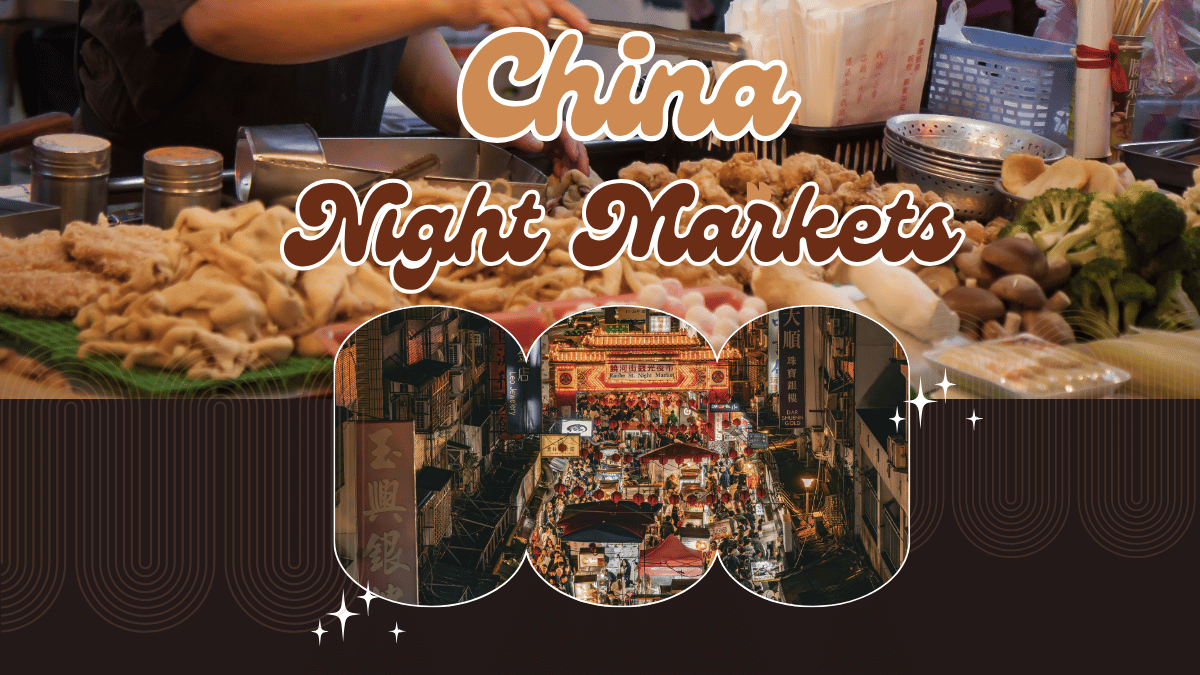
If you want to understand a Chinese city after dark, skip the rooftop bars and head straight to the night market. A night market in China is where locals eat, shop, and socialize long after sunset. Rows of sizzling woks, neon-lit food stalls, and vendors selling everything from hand-pulled noodles to handmade crafts create an atmosphere you cannot find anywhere else.

This guide covers the best night markets across the country, what to eat, how to pay, and practical tips to make the most of your evening. Whether you are in Beijing, Guangzhou, Xi'an, or a smaller city, you will find a night market in China worth visiting. 

Why Visit Night Markets in China?

Authentic Local Experience


Night markets are not tourist traps. They are where real people spend their evenings. Families walk through the crowds, teenagers grab snacks after school, and office workers unwind with skewers and beer. You get a genuine look at daily Chinese life that a museum or temple visit simply cannot provide.

china night marke

Culinary Adventure


China night market food ranges from regional specialties to creative street snacks. In Guangzhou, you will find dim sum stalls that have operated for decades. In Xi'an, the Muslim Quarter serves up cumin-heavy lamb skewers and biang biang noodles. Every city has its own signature dishes, and the prices are a fraction of what restaurants charge.

Affordable Entertainment


A full dinner at a night market typically costs under 50 yuan. Add a few snacks, a drink, and maybe a small souvenir, and you still spend less than a single meal at a mid-range restaurant. For budget travelers, this makes night markets an essential part of any trip.

Top Night Markets in Beijing

Travelers searching for a night market guide in Beijing, China, will find that the capital has much more to offer than just Wangfujing. The city has cleaned up some of its most famous markets in recent years, yet plenty of great options remain for visitors looking for authentic evening street food.

Wangfujing Snack Street


Wangfujing is the most famous food street in the capital. While it has become more tourist-oriented over the years, you can still find legitimate street food alongside the novelty items. Look for stalls selling jianbing (savory crepes), tanghulu (candied hawthorn sticks), and fresh noodle dishes. The street connects to Wangfujing shopping district, so you can combine dinner with window shopping.

Guijie (Ghost Street)


Guijie runs along Dongzhimen Inner Street and is known for its spicy crayfish restaurants. The street comes alive after 10 PM and stays busy until early morning. Red lanterns line both sides, and the smell of chili and garlic fills the air. This is where Beijing locals come for late-night meals. Order a pot of mala xiaolongxia (spicy crayfish) and a cold beer for the full experience.

Nanluoguxiang


Nanluoguxiang is a hutong neighborhood turned cultural strip. While not a traditional night market, it functions like one in the evenings. Small shops sell handmade jewelry, vintage items, and creative snacks. The side alleys lead into actual residential hutongs where you can see old Beijing architecture. It gets crowded on weekends, so visit on a weekday if possible.

nanluoguxiang

Guangzhou Night Markets: Cantonese Food Paradise

A Guangzhou, China, night market experience centers on Cantonese cuisine. The city has a deep food culture, and its evening markets reflect that. Expect fresh seafood, slow-cooked soups, and delicate dim sum.

Shangxiajiu Pedestrian Street


Shangxiajiu is one of the oldest commercial streets in Guangzhou. The arcade-style buildings date back to the colonial era, and the street remains a major shopping and dining destination. At night, food stalls set up along the sidewalks, selling everything from rice noodle rolls to mango pudding. The Qilou architecture makes it visually interesting even on a casual stroll.

Beijing Road Night Market


Not to be confused with the actual Beijing city, Beijing Road is Guangzhou's main shopping strip. The evening market here focuses on affordable clothing, accessories, and snacks. You will also find stalls selling double-skin milk, egg tarts, and other Cantonese desserts. The underground ancient road museum is worth a visit during the day if you are in the area.

guangzhou

Tianhe District Night Markets


Tianhe is Guangzhou's modern commercial center. The side streets around Tianhe Sports Center and Gangding area have informal night markets that cater to office workers and students. These are less touristy and more authentic. You will find grilled oysters, claypot rice, and fresh fruit smoothies at very reasonable prices.

Other Must-Visit Night Markets Across China

Every major city in the country has its own night market scene. Here are some of the best options in other popular destinations.

Xi'an Muslim Quarter


The Muslim Quarter is arguably the most famous night market in western China. The streets fill with the smoke of lamb skewers, the sound of vendors shouting orders, and the smell of cumin and chili. Try roujiamo (Chinese hamburgers), yangrou paomo (lamb bread soup), and fresh pomegranate juice. The quarter sits right next to the Drum Tower, so you can visit the historical site during the day and return for dinner at night.

xian

Shanghai Yunnan Road Night Market


Yunnan Road in Shanghai is a dedicated food street that comes alive in the evening. The street is known for xiaolongbao (soup dumplings), shengjianbao (pan-fried buns), and various noodle dishes. It is cleaner and more organized than many other night markets, which makes it a good option if you prefer a slightly more comfortable setting.

Chengdu Jinli Ancient Street


Jinli Ancient Street in Chengdu combines historical architecture with Sichuan street food. The lantern-lit street serves up spicy skewers, dan dan noodles, and rabbit head (a local delicacy). The atmosphere is festive, and the street connects to the Wuhou Shrine, making it easy to combine sightseeing with evening dining.

Kunming Nanping Street


Kunming's Nanping Street pedestrian area hosts a lively evening market with Yunnan specialties. Try crossing-bridge rice noodles, grilled tofu, and various wild mushroom dishes. Kunming's mild climate means the night market operates comfortably year-round.

What to Eat at China Night Markets

China night market food varies by region, but some categories appear everywhere. Here is what to look for.

Grilled and Skewered Foods


Skewers are the backbone of any Chinese night market. Lamb skewers with cumin dominate in northern and western cities. In the south, you will find more seafood options like grilled squid, oysters, and prawns. Vegetarian options include grilled eggplant, corn, and mushrooms. Most vendors charge 5-15 yuan per skewer.

china night market

Noodles and Dumplings


Hand-pulled noodles, knife-cut noodles, and fried noodles appear at markets across the country. Dumplings and baozi (steamed buns) are equally common. In Xi'an, look for biang biang noodles. In Shanghai, xiaolongbao are a must. In Guangzhou, rice noodle rolls are the local favorite.

Snacks and Desserts


Every market has snack stalls selling items like jianbing, scallion pancakes, fried dough, and stinky tofu. For dessert, try tanghulu, mango sago, double-skin milk, or fried ice cream. Fresh fruit smoothies and bubble tea are also widely available and usually cost under 20 yuan.

Practical Tips for Night Market Visits

Best Time to Visit


Most night markets open around 5 PM and run until 11 PM or midnight. Some, like Guijie in Beijing, stay open until 3 AM. Arrive between 6 PM and 8 PM for the best selection and before the biggest crowds. Weekdays are less crowded than weekends.

How to Order and Pay


Most night market vendors accept WeChat Pay and Alipay. Cash still works at many stalls, but cards are rarely accepted. Set up your mobile payment before you go. When ordering, point at what you want if you do not know the Chinese name. Prices are usually posted, but if not, ask before ordering to avoid surprises.

Food Safety Tips


Choose stalls with high turnover. Busy stalls mean fresh food. Avoid raw or undercooked items if you have a sensitive stomach. Cooked food served hot is generally safe. Carry hand sanitizer or wet wipes, as handwashing facilities are rare at street stalls.

Navigating Crowds


Popular night markets get extremely crowded, especially on weekends and holidays. Keep your belongings close, wear comfortable shoes, and be patient. Most markets are pedestrian-only, so you will do a lot of walking. If you are traveling with children, keep them close and consider visiting on a weekday evening.

Conclusion

Night markets are one of the best ways to experience Chinese culture, food, and daily life. They are affordable, authentic, and available in every city you visit. Whether you are eating lamb skewers in Xi'an, grabbing dim sum in Guangzhou, or trying stinky tofu in Beijing, the experience will be a highlight of your trip. 

Tours4fun offers curated China vacation packages that include evening food tours and night market visits in major cities. You can also browse our China tours for more itinerary ideas that combine historical sightseeing with local culinary experiences.


FAQ

Are night markets in China safe for tourists?

Yes. Night markets in China are generally very safe. Violent crime is rare, and the crowds provide natural security. The main concern is pickpocketing in very crowded areas, so keep your wallet and phone secure. Food safety is also good if you choose busy stalls and eat food served hot.

Can I find vegetarian food at Chinese night markets?

Yes. Most markets have vegetarian options like grilled vegetables, tofu dishes, noodles without meat, and fresh fruit. Buddhist-influenced cities like Chengdu and Hangzhou have more dedicated vegetarian stalls. Always confirm that dishes do not contain meat stock or fish sauce if you are strict about vegetarianism.

How much should I budget for a night market visit?

A typical dinner at a night market costs 30-80 yuan per person, depending on how much you eat. Skewers cost 5-15 yuan each, noodle dishes run 15-30 yuan, and drinks are 10-20 yuan. You can easily eat well for under 50 yuan if you stick to street food staples.

What if I have food allergies?

Communicate your allergies clearly. Learn the Chinese words for your allergens or show a translation on your phone. Peanuts, soy, and shellfish are common in Chinese cooking. Cross-contamination is possible at shared cooking stations. If your allergy is severe, consider sticking to simple items like fresh fruit or plain rice dishes.

Are night markets open year-round?

Most night markets operate year-round, though some reduce hours in winter, especially in northern cities like Beijing and Harbin. Southern cities like Guangzhou and Kunming maintain full schedules throughout the year. Summer evenings are peak season for night markets everywhere.