This guide compares all four cities across attractions, food, culture, accessibility, and overall experience. By the end, you'll know exactly which city fits your travel plans, or whether combining multiple cities makes more sense for your China tour.
Best City to Visit in China: Chengdu, Beijing, or Shanghai?

This guide compares all four cities across attractions, food, culture, accessibility, and overall experience. By the end, you'll know exactly which city fits your travel plans, or whether combining multiple cities makes more sense for your China tour.
Beijing: China's Imperial Capital
Top Attractions
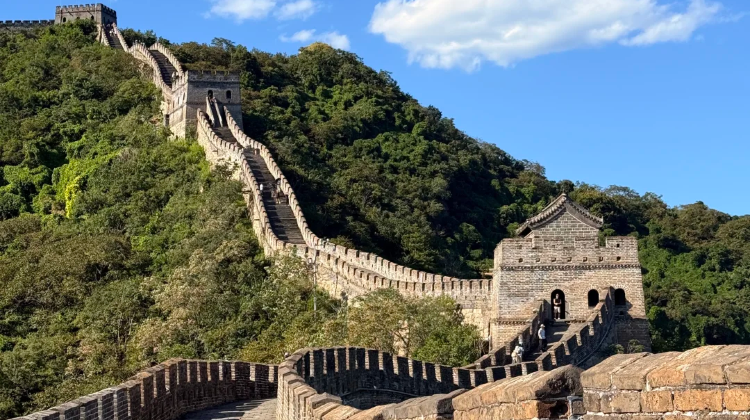
The Great Wall sections near Beijing draw millions of visitors annually. Mutianyu offers restored watchtowers with dramatic mountain views, while Jinshanling provides a wilder, less crowded hiking experience. Badaling, though often packed with tour groups, remains the most accessible option for travelers short on time.
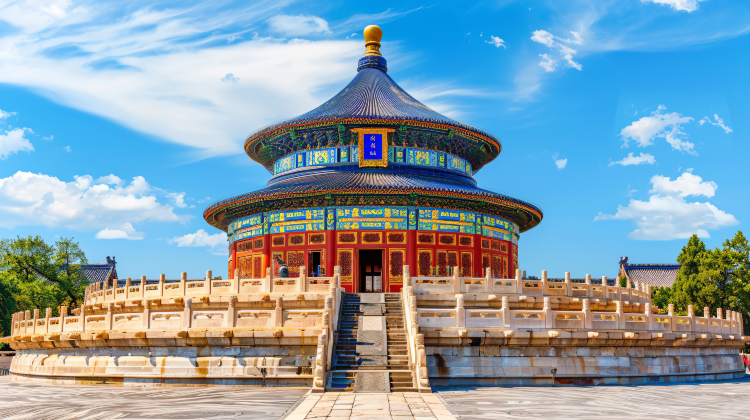
Beijing's cultural attractions extend beyond ancient sites. The Temple of Heaven, where emperors prayed for good harvests, showcases classical Chinese architecture and design. The Summer Palace provides a peaceful escape with its lakeside pavilions and gardens. Hutong neighborhoods let you experience traditional Beijing life through narrow alleyways lined with courtyard homes.
Food & Dining
Food in Beijing centers on hearty northern Chinese cuisine. Peking duck, with its crispy skin and tender meat, remains the city's signature dish. The city's Muslim quarter offers excellent lamb skewers and hand-pulled noodles. Street food stalls and local restaurants serve dumplings, baozi, and jianbing at affordable prices.
Best Time to Visit
Beijing works best for travelers interested in history, culture, and iconic landmarks. Plan for at least three to four days to cover the major sites without rushing. Spring and autumn offer the most comfortable weather, though winter visits let you see the Forbidden City without summer crowds.
Best Beijing Tours
Shanghai: Modern Metropolis with Historical Character
Neighborhoods to Explore
The city's French Concession district offers tree-lined streets, boutique shops, and intimate cafes. This neighborhood provides a slower pace compared to downtown's energy. You'll find excellent restaurants, art galleries, and historic homes tucked behind plane trees. Tianzifang, a renovated alleyway complex, combines traditional Shikumen architecture with modern shops and studios.
Shanghai's museums rank among China's best. The Shanghai Museum houses an outstanding collection of ancient Chinese art, including bronze vessels, ceramics, and calligraphy. The Power Station of Art, China's first state-run contemporary art museum, showcases cutting-edge exhibitions in a converted power plant. For something different, the Shanghai Natural History Museum features impressive dinosaur fossils and interactive displays.
Food & Dining
Food defines Shanghai as much as architecture. The city invented xiaolongbao, soup dumplings that burst with hot broth and savory filling. Local restaurants serve these delicate parcels alongside other Shanghainese specialties like red braised pork, hairy crab in autumn, and scallion oil noodles. The city's dining scene ranges from street-side dumpling shops to Michelin-starred restaurants.
Best Time to Visit
Shanghai appeals to travelers who enjoy urban energy, shopping, dining, and modern attractions. Two to three days cover the main sights, though the city rewards longer stays with hidden gems in its neighborhoods. The city connects easily to other destinations via China's high-speed rail network.
Best Shanghai Tours
Chengdu: Gateway to Pandas and Sichuan Culture
Culture & Lifestyle
Beyond pandas, Chengdu serves as the capital of Sichuan province, one of China's most culturally distinct regions. The city's relaxed lifestyle contrasts sharply with Beijing and Shanghai's pace. Locals embrace the concept of "ba shi," roughly meaning comfortable and content. You'll see this attitude in teahouses where retirees gather for morning tea, mahjong games in parks, and leisurely meals that stretch across hours.
Sichuan cuisine ranks among China's greatest culinary traditions, and Chengdu provides the authentic experience. The food carries the distinctive "ma la" flavor profile, combining numbing Sichuan peppercorns with fiery chilies. Hot pot, the region's most famous dish, involves cooking raw ingredients in a simmering, spiced broth at your table. Mapo tofu, dan dan noodles, and kung pao chicken all originated here, though the local versions differ dramatically from Western adaptations.
Top Attractions
Chengdu's attractions extend beyond food and pandas. Wuhou Shrine commemorates the Three Kingdoms period with red walls, bamboo groves, and statues of historical figures. Dujiangyan, an ancient irrigation system built in 256 BC, still functions today and ranks as one of China's greatest engineering achievements. The nearby Mount Qingcheng, birthplace of Taoism, offers hiking trails through misty forests dotted with temples.
Best Time to Visit
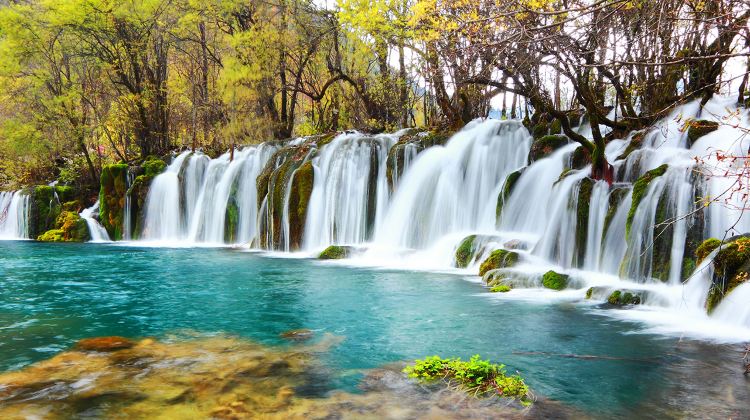
Chengdu works best for food lovers, nature enthusiasts, and travelers seeking authentic Chinese culture away from tourist crowds. Two to three days cover the city's main attractions, though many visitors use Chengdu as a base for exploring western Sichuan's Tibetan regions, Jiuzhaigou Valley, or the Leshan Giant Buddha.
Best Chengdu Tours
Xi'an: Gateway to Ancient China
Top Attractions
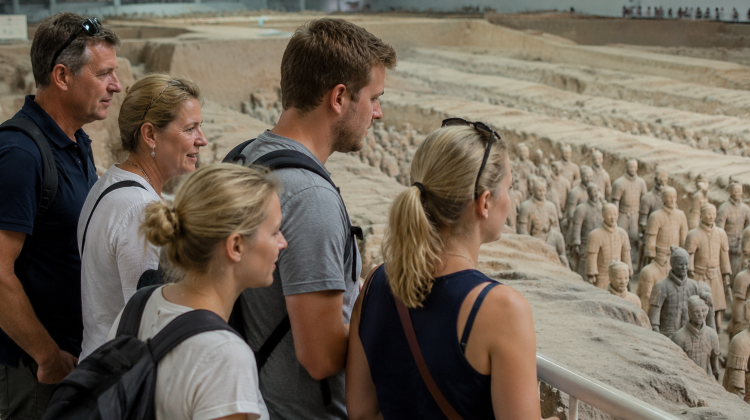
The Terracotta Warriors rank as Xi'an's crown jewel and one of China's most iconic attractions. This massive archaeological site contains over 8,000 life-sized clay soldiers, horses, and chariots buried with Emperor Qin Shi Huang in 210 BC. Each warrior features unique facial expressions, and the sheer scale of the excavation pits leaves visitors awestruck. Plan for at least half a day to explore the museum complex thoroughly.
Xi'an's Ancient City Wall stands as China's best-preserved city fortification. The complete circuit measures 13.7 kilometers, and you can walk, bike, or take an electric cart along the top. Cycling the wall at sunset offers spectacular views of the city blending ancient and modern architecture. The Bell Tower and Drum Tower mark the historic center, surrounded by the bustling Muslim Quarter.
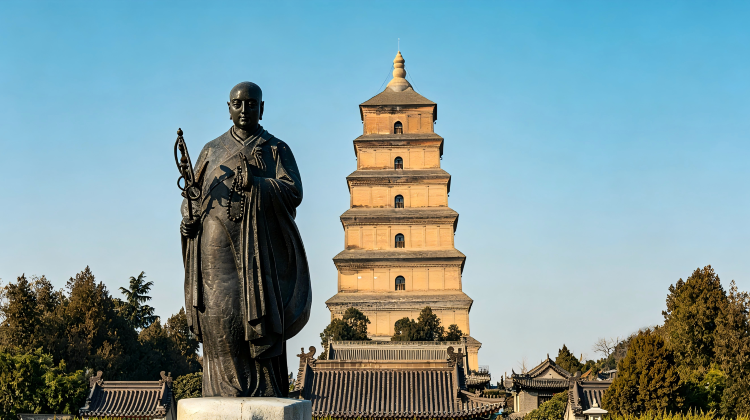
The Big Wild Goose Pagoda, built in 652 AD, houses Buddhist scriptures brought from India by the famous monk Xuanzang. The surrounding Da Ci'en Temple complex provides peaceful gardens and cultural exhibits. The Small Wild Goose Pagoda, older and more serene, sits within a lovely park featuring traditional gardens and the Xi'an Museum.
Food & Dining
Xi'an's Muslim Quarter represents one of China's most vibrant food destinations. The narrow streets overflow with street food stalls serving roujiamo (Chinese hamburgers), yangrou paomo (crumbled flatbread in lamb soup), and biangbiang noodles thick as belt straps. The quarter's name reflects the significant Hui Muslim population that has called Xi'an home for centuries, creating a unique fusion of Chinese and Islamic culinary traditions.
Beyond the Muslim Quarter, Xi'an excels at Shaanxi province cuisine, known for bold flavors and wheat-based dishes. Dumpling banquets, featuring dozens of shaped and filled varieties, showcase local culinary creativity. The city's street food culture remains strong, with affordable meals available at every corner from breakfast through late night.
Best Time to Visit
Xi'an works well as a two- to three-day destination, easily combining with Beijing or other cities via high-speed rail. Spring and autumn provide comfortable temperatures for walking the city wall and exploring outdoor sites. Summer brings heat and crowds, while winter stays cold but offers solitude at major attractions. The Terracotta Warriors remain compelling year-round, though weekdays see fewer visitors than weekends.
Best Xi‘an Tours
How to Choose the Best City for Your China Trip
- Chengdu: Perfect for food enthusiasts, panda lovers, and travelers seeking authentic culture
- Shanghai: Ideal for urban explorers who enjoy dining, shopping, and modern attractions
- Beijing: Best for history lovers and first-time visitors wanting iconic landmarks
- Xi'an: Ideal for history enthusiasts and archaeology lovers wanting to see the Terracotta Warriors
Chengdu attracts visitors seeking authentic experiences, remarkable food, and wildlife encounters. The city feels less touristy than Beijing or Shanghai, offering a glimpse into everyday Chinese life. If pandas rank high on your bucket list, or if you want to experience Sichuan cuisine at its source, Chengdu becomes the obvious choice.
Consider your travel style when making this decision. Beijing requires more walking and physical activity to explore vast sites like the Forbidden City and Great Wall. Shanghai involves more urban exploration through neighborhoods and museums. Chengdu offers the most relaxed pace, with teahouse visits and leisurely meals forming core experiences.
Seasonal factors matter too. Beijing's spring and autumn provide comfortable temperatures, while summers bring heat and humidity. Shanghai experiences similar seasonal patterns but with more rainfall. Chengdu's basin location means frequent cloud cover and mild temperatures year-round, though winter can feel damp and chilly.
Can You Visit All Four Cities?
High-speed trains link Beijing and Shanghai in about 4.5 hours, making this the most efficient route. Beijing to Xi'an takes 4-5 hours by train, while Xi'an to Chengdu requires about 3-4 hours. Chengdu to Shanghai involves longer train journeys or flights. Domestic flights are affordable and efficient, though train travel offers scenic routes and city-center to city-center convenience.
Combining cities gives you a more complete picture of China's diversity. You'll experience ancient imperial culture in Beijing, Silk Road history in Xi'an, authentic regional traditions in Chengdu, and modern urban development in Shanghai. This approach works especially well for first-time visitors who want to understand China's complexity beyond stereotypes.
Organized tours simplify logistics when visiting multiple cities. Tours4fun offers China vacation packages that combine these destinations with experienced guides handling transportation, accommodations, and entrance fees. This approach removes the stress of navigating China's transportation system independently, especially valuable for travelers with limited time.
11-Day China Discovery Tour: Beijing, Xi’an, Chengdu and Shanghai

Start Planning Your China City Tour
Most travelers benefit from visiting at least two of these cities to understand China's diversity. High-speed trains and domestic flights make multi-city itineraries straightforward. Whether you choose one city or combine several, you'll experience the complexity and richness that make China such a rewarding destination.
FAQ
How many days do you need in Beijing, Shanghai, Chengdu, or Xi'an?
Beijing requires at least three to four days to cover major sites like the Forbidden City, Great Wall, and Temple of Heaven. Shanghai needs two to three days for the Bund, French Concession, and museums. Chengdu works well with two to three days for pandas, food experiences, and local attractions. Xi'an deserves two to three days for the Terracotta Warriors, city wall cycling, and Muslim Quarter exploration. If combining cities, plan for 10-12 days minimum to avoid rushing.Which city is best for first-time visitors to China?
Beijing typically works best for first-time visitors because it contains China's most iconic landmarks. The Great Wall, Forbidden City, and historical sites provide the cultural introduction most travelers seek. Xi'an ranks as a close second for history enthusiasts, with the Terracotta Warriors offering an equally iconic experience. However, if you prefer modern amenities and easier navigation, Shanghai offers a gentler introduction to China with excellent infrastructure and more English-friendly services.Which city has the best food in China?
Chengdu wins for food quality and authenticity. The city earned UNESCO recognition as a City of Gastronomy, and Sichuan cuisine ranks among China's four great culinary traditions. Local hot pot, mapo tofu, and street food provide memorable experiences. Xi'an offers exceptional street food culture in the Muslim Quarter, with unique Silk Road-influenced dishes. Shanghai offers excellent dining too, particularly for xiaolongbao and refined Shanghainese cuisine. Beijing's food scene focuses on northern Chinese dishes, with Peking duck as the standout.Is it easy to travel between Beijing, Shanghai, Chengdu, and Xi'an?
Yes, these cities connect well through China's transportation network. High-speed trains run frequently between Beijing and Shanghai, taking about 4.5 hours. Beijing to Xi'an takes 4-5 hours by high-speed rail, and Xi'an to Chengdu requires about 3-4 hours. Chengdu requires flights from Shanghai, with multiple daily options taking two hours. Domestic flights are affordable and efficient, though train travel offers scenic routes and city-center to city-center convenience.Which city is most affordable for tourists?
Chengdu and Xi'an offer the best value for money, with lower accommodation costs, affordable dining, and reasonable attraction fees. Beijing and Shanghai cost more, particularly for hotels in central locations. However, all four cities provide options across budget ranges, from hostels to luxury hotels. Street food and local restaurants keep daily food costs manageable in any city.You May Also Like

Athens Travel Guide: Acropolis, Plaka & Ancient Ruins
29 Oct 2026

Santorini 3 Day Itinerary: Caldera, Wine & Beaches
29 Oct 2026

Top 10 Things to Do in Santorini Beyond the Sunset
29 Oct 2026
Summary
Beijing: China's Imperial Capital
Shanghai: Modern Metropolis with Historical Character
Chengdu: Gateway to Pandas and Sichuan Culture
Xi'an: Gateway to Ancient China
How to Choose the Best City for Your China Trip
Can You Visit All Four Cities?
Start Planning Your China City Tour
FAQ
America's 250th Anniversary Mega Sale