Learn About Chile
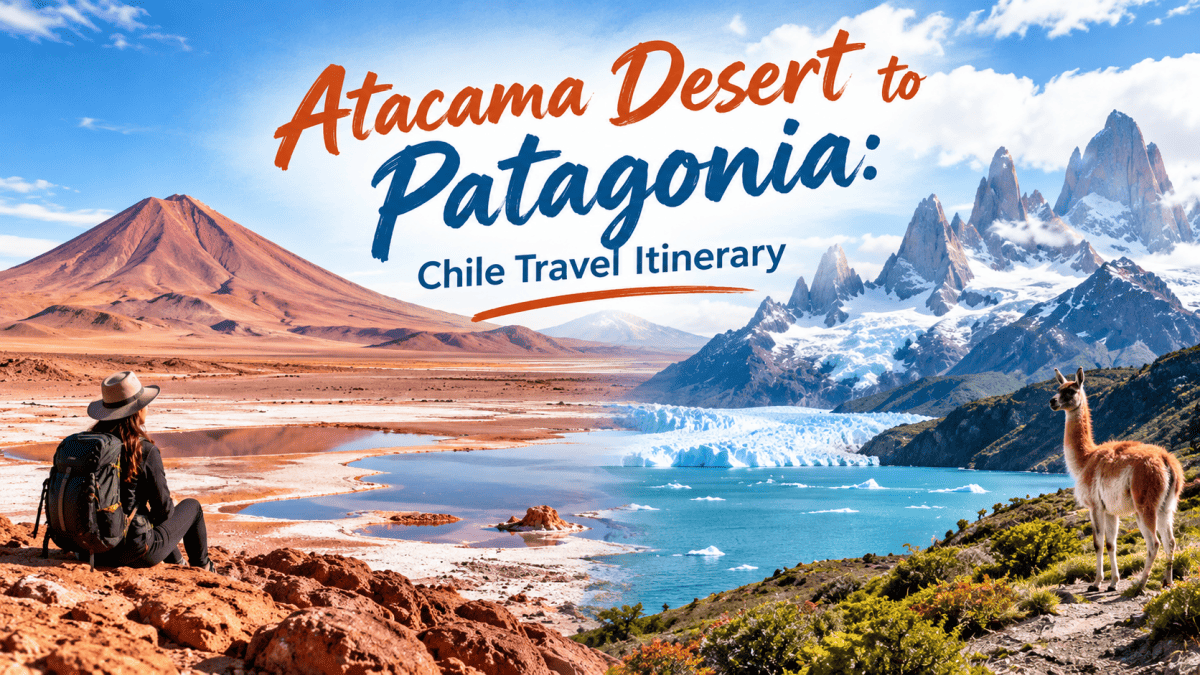
Chile stretches along South America's western edge, bringing together the otherworldly Atacama Desert, glacier-carved Patagonia, celebrated wine valleys, and the remote stone moai of Easter Island in one long, narrow country. A Chile trip can move from stargazing near San Pedro de Atacama to seafood in Valparaíso, vineyard lunches outside Santiago, volcanic landscapes around Puerto Varas, or trekking beneath the granite towers of Torres del Paine, with unforgettable contrasts at every stop.
Best Time to Travel to Chile
The best time to travel to Chile is generally October through April, when central Chile is sunny, Patagonia is most accessible, and many outdoor excursions operate on their fullest schedules. Because Chile spans more than 2,600 miles from north to south, the right month depends on the region and the activities on your list. Tours4Fun travelers can match guided departures to the season rather than treating the country as one uniform climate.
In the north, the Atacama Desert is dry year-round, with clear skies for observatories and spectacularly crisp nights. April through November usually brings comfortable daytime temperatures and especially reliable conditions around Valle de la Luna, the salt flats, and high-altitude lagoons. Summer can be warmer, and the altiplano may see brief afternoon thunderstorms, but San Pedro remains a popular base for desert tours.
Central Chile, including Santiago, Valparaíso, and the Casablanca and Maipo wine valleys, is at its warmest and driest from December through February. This is excellent for city walks, coastal visits, and vineyard tastings, though it is also the busiest period. March and April offer a harvest-season atmosphere, pleasant temperatures, and fewer crowds. Winter, from June to August, is cooler and wetter in Santiago but can suit travelers combining the capital with ski resorts in the Andes.
Southern Chile and Patagonia are easiest for hiking and scenic boat trips from November through March. December to February provides the longest daylight for Torres del Paine trails, but shoulder months can be quieter and still rewarding with flexible planning. The Lake District around Puerto Varas is green and dramatic in spring and summer, while winter brings snow sports and a different view of the volcanoes. Easter Island is suitable throughout the year; spring and autumn can provide a comfortable balance of weather and visitor numbers.
Is It Safe to Travel in Chile?
Yes, it is generally safe to travel in Chile for visitors who use normal urban precautions and follow local guidance, although petty theft, demonstrations, and isolated natural hazards require attention. Chile has strong tourism infrastructure in Santiago, San Pedro de Atacama, the Lake District, and Patagonia, and organized Chile guided tours can simplify transfers and excursions.
In Santiago, keep phones and cameras secure in busy areas, especially around transport hubs, markets, and crowded central streets. Use official taxis, app-based rides, or hotel-arranged transfers, and avoid displaying valuables when exploring after dark. Valparaíso is rewarding for daytime sightseeing, but travelers should stay on well-used routes and take extra care with belongings.
Nature travel calls for a different kind of preparation. Desert excursions involve high altitude, intense sun, large temperature changes, and limited services, so carry water, sunscreen, layers, and any needed medication. In Patagonia, weather can change quickly; stay on marked trails, respect park closures, and use a registered guide for demanding routes. Earthquakes are part of Chile's geography, so follow hotel and tour-operator instructions if one occurs. Check current government travel advice before departure and keep copies of travel documents.
Top Cities & Attractions in Chile
Chile's highlights range from lively Pacific cities to remote landscapes, so combine a city stay with at least one guided nature region.
Top Cities to Visit in Chile
Santiago is the essential starting point, with museums, neighborhoods such as Lastarria and Bellavista, restaurants, and quick access to the Andes and nearby vineyards. Valparaíso is known for colorful hillside houses, murals, funiculars, and a historic port atmosphere; pair it with neighboring Viña del Mar for a full-day coastal outing.
Punta Arenas is the southern gateway for Magallanes history, Strait of Magellan viewpoints, and excursions toward penguin colonies.
Puerto Natales is smaller but strategically placed for Torres del Paine and glacier cruises. Puerto Varas, on Lake Llanquihue, combines German-influenced architecture, volcano views, and access to Petrohué Falls and the Osorno Volcano. San Pedro de Atacama is a village rather than a large city, but it is the hub for desert tours, hot springs, lagoons, and stargazing.
Top Attractions in Chile
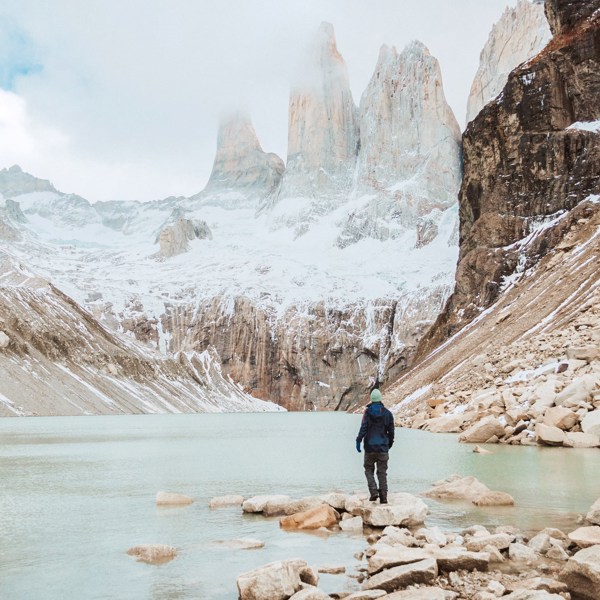
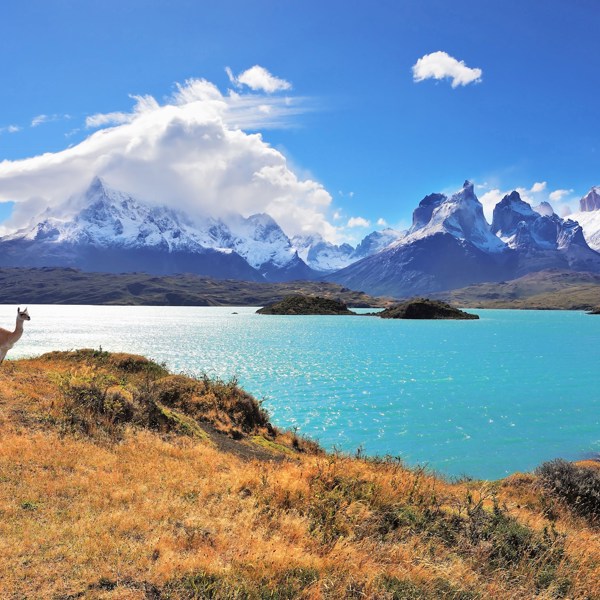
Torres del Paine National Park is the signature Patagonia experience, with the Paine towers, Grey Glacier, Lake Pehoé, and trails for different fitness levels. In the Atacama Desert, Valle de la Luna, the El Tatio Geysers, Salar de Atacama, and Miscanti and Miñiques lagoons show how color and life persist in an extreme environment.
Easter Island, or Rapa Nui, rewards an extra flight with moai platforms, volcanic craters, and a distinct Polynesian culture; plan park visits with an authorized local guide. In the Lake District, Petrohué Falls, Lake Todos los Santos, and the Osorno Volcano create a compact circuit of forests and water. Wine travelers should look to Maipo for classic reds and Casablanca for cool-climate varieties. Tours4Fun tours make it easier to combine these attractions with pre-arranged transport and local expertise. Chile Trip Itinerary
This 9-day Chile trip itinerary links the capital, the Atacama Desert, and Patagonia with realistic regional flights. It works well as a first visit, while Tours4Fun packages can add hotel nights, airport transfers, and guided day tours to reduce planning between destinations.
Day 1 – Santiago: Arrive in Santiago and settle into a central or well-connected neighborhood. Take an easy orientation walk through Plaza de Armas and the surrounding historic center, then enjoy views of the Andes from a rooftop or hilltop viewpoint if conditions are clear.
Day 2 – Santiago and wine country: Visit La Chascona or a museum in the morning, followed by a guided excursion into the Maipo or Casablanca Valley. A winery visit introduces Chilean Cabernet Sauvignon, Carmenère, and cool-climate whites without requiring you to drive after tastings.
Day 3 – San Pedro de Atacama: Fly north and transfer to San Pedro. Spend the afternoon acclimating at the adobe-lined village, browsing craft markets, and watching sunset over Valle de la Muerte or Valle de la Luna.
Day 4 – Atacama highlands: Join a full-day guided tour to the Salar de Atacama, Chaxa Lagoon, and the high-altitude lagoons of the altiplano. Move slowly, drink water, and ask your operator about altitude before scheduling strenuous activity.
Day 5 – Geysers and stargazing: Visit El Tatio Geysers before sunrise, when steam rises dramatically in the cold morning air. Return to San Pedro for a relaxed afternoon, then book an astronomy experience under one of the world's clearest skies.
Day 6 – Patagonia gateway: Fly south via Santiago to Punta Arenas or Puerto Natales. Use the evening for a waterfront walk and an early dinner; the following park days are more enjoyable with a good night's rest.
Day 7 – Torres del Paine: Take a full-day park excursion through Torres del Paine National Park. Look for guanacos, condors, turquoise lakes, and the Paine Massif, with stops arranged around weather and road conditions.
Day 8 – Patagonia at a slower pace: Choose a second park day, a boat trip toward Grey Glacier, or a shorter trail near Puerto Natales. Travelers who prefer less hiking can select a scenic small-group tour with viewpoints and hotel pickup.
Day 9 – Return to Santiago: Fly back to Santiago for an onward connection, or add two to four nights for Valparaíso, Puerto Varas, or Easter Island. The itinerary can also be extended with the Lake District before Patagonia if volcanoes, forests, and lakes are a priority.
Transportation in Chile
Domestic flights are the practical choice for a multi-region Chile trip. Santiago is the main air hub, with frequent connections to Calama for San Pedro de Atacama, Puerto Montt for the Lake District, and Punta Arenas for Patagonia. Allow extra time for connections when weather or remote-region schedules affect the day. Tours4Fun itineraries with coordinated transfers can be valuable when a hotel, airport, and excursion are in different towns.
Long-distance buses are comfortable and useful between Santiago, Valparaíso, and some central or southern cities, but bus travel from the capital to Patagonia takes too long for a short holiday. Rental cars work well in the Lake District and wine regions for confident drivers, while desert and park roads may be better handled by an experienced local operator. Within Santiago, the Metro and app-based rides are convenient; in San Pedro and Puerto Natales, most visitors walk in town and rely on tours or transfers for distant attractions.
Chile Travel Tips
Pack for several climates rather than one forecast. Lightweight sun protection and breathable clothing suit the Atacama, while a waterproof shell, fleece, gloves, and sturdy shoes are important in Patagonia. Central Chile can be warm by day and cool at night, especially near the coast and vineyards.
Build in acclimatization before high-altitude Atacama tours, and avoid stacking a strenuous hike immediately after a long flight. Carry a reusable water bottle, small cash for rural stops, and offline copies of reservations and maps. Chile uses the Chilean peso; cards are common in cities, but remote villages and small market stalls may need cash. Spanish is the everyday language, so a few phrases help outside major hotels.
Reserve Patagonia lodging and popular summer departures early, then confirm baggage rules for domestic flights. Check whether park tickets, meals, airport transfers, and hotel pickup are included in each Tours4Fun tour. Finally, protect the itinerary with travel insurance that covers hiking, cancellations, and medical evacuation where appropriate. With those details arranged, Chile guided tours leave more time for desert sunsets, vineyard tables, and the changing landscapes that make this country exceptional.



 22 Results