Argentina Travel Guide
Argentina captivates travelers with the passionate rhythms of tango in Buenos Aires, the raw grandeur of Patagonian glaciers, and the sun-drenched vineyards of Mendoza. From the thundering curtain of Iguazu Falls to the gaucho-dotted Pampas and the otherworldly landscapes of the northwest, this diverse country offers experiences that range from cosmopolitan city life to untamed wilderness at the edge of the world. This guide covers everything you need to plan your Argentina tour itinerary, including the best seasons to visit, top destinations, day-by-day travel plans, and practical tips for making the most of your trip.
Best Time to Travel to Argentina
The best time to travel to Argentina is during the shoulder seasons of spring (September to November) and autumn (March to May), when temperatures are mild, crowds are thinner, and airfares tend to be lower.
Summer (December to February) is peak season in Patagonia, with long daylight hours ideal for trekking and wildlife watching, though popular destinations like El Calafate and Ushuaia book up fast. The northwest regions are most pleasant during this window as well, with dry conditions across the Quebrada de Humahuaca and Salta province.
Winter (June to August) is the ideal season for skiing in Bariloche and the Andean resorts of Las Leñas and Chapelco. It is also an excellent time to visit the Iguazu Falls region, where cooler temperatures and fewer tourists make the experience more comfortable. Buenos Aires remains enjoyable year-round, though humidity peaks in summer and chilly winds sweep through in July.
How Many Days Do You Need in Argentina
You need at least 10 to 14 days to experience the highlights of Argentina at a comfortable pace, covering Buenos Aires, Patagonia, Iguazu Falls, and Mendoza.
A compact 7-day trip can cover Buenos Aires and one additional region, such as Patagonia or the wine country around Mendoza. Travelers wanting to include the northwest, the Valdés Peninsula for whale watching, or a deeper exploration of the Lake District should plan 14 to 18 days.
Guided tours simplify logistics significantly, as Argentina is a vast country where internal flights and long-distance buses connect destinations that are hours apart.
Argentina Travel Itinerary
A well-paced 10-day Argentina travel itinerary balances city exploration, natural wonders, and wine country relaxation.
Day 1-2: Buenos Aires. Arrive at Ezeiza International Airport and settle into the San Telmo or Palermo neighborhoods. Explore the colorful Caminito street in La Boca, watch a tango show, visit the Recoleta Cemetery, and stroll through the MALBA museum. Enjoy a classic Argentine steak dinner at a traditional parrilla.
Day 3: Buenos Aires to El Calafate. Take a morning flight south to El Calafate, the gateway to Los Glaciares National Park. Spend the afternoon along the shores of Lago Argentino.
Day 4: Perito Moreno Glacier. Full-day excursion to the Perito Moreno Glacier, one of the few advancing glaciers on Earth. Walk the viewing boardwalks and optionally add a mini-trek on the ice itself.
Day 5: El Calafate to Buenos Aires to Puerto Iguazú. Fly back through Buenos Aires and connect to Puerto Iguazú in the northeast. Check in and rest before the next day's adventure.
Day 6: Iguazu Falls. Spend the full day exploring Iguazu Falls from the Argentine side, which offers closer and more extensive viewpoints than the Brazilian side. Walk the catwalks over the upper falls, take the boat ride into the base of Garganta del Diablo, and spot toucans and coatis in the surrounding subtropical forest.
Day 7: Puerto Iguazú to Mendoza. Fly to Mendoza, the heart of Argentina's wine country. Settle in and enjoy an evening stroll through Plaza Independencia and the pedestrian-only Calle Peatonal.
Day 8: Mendoza Wine Tour. Full-day guided tour through the Luján de Cuyo and Maipú wine regions. Visit three to four estates, taste world-class Malbec, and pair wines with regional cuisine.
Day 9: Mendoza city and Aconcagua. Visit the city's Central Market, explore the Fundacional Area park, and take a half-day trip toward the Aconcagua viewpoint at Puente del Inca along Route 7.
Day 10: Departure. Fly from Mendoza back to Buenos Aires for your international departure, or extend your trip with an extra day in the capital for shopping and final sightseeing.
Things to Do in Argentina
Argentina offers an extraordinary range of activities across its diverse landscapes and vibrant cities.
Watch a tango show in Buenos Aires. The birthplace of tango offers intimate milongas in San Telmo and grand theatrical productions like Tango Porteño. For a more local experience, join a beginner tango class and dance with porteños.
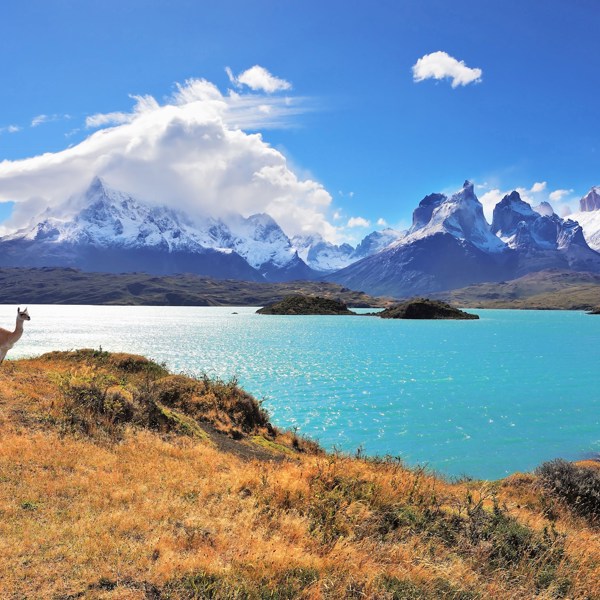
Trek in Patagonia. Hike the trails of Los Glaciares National Park, kayak beneath the ice walls of Perito Moreno, or embark on the classic trek to Mount Fitz Roy near El Chaltén, widely considered the trekking capital of South America.
Explore Iguazu Falls. Walk the network of catwalks and trails that bring you face-to-face with 275 individual waterfalls. The Devil's Throat viewpoint is one of the most powerful natural spectacles on the continent.
Wine tasting in Mendoza. Tour the bodegas of Luján de Cuyo and the Uco Valley, tasting the Malbec that has put Argentine wine on the world map. Many estates offer gourmet pairings with views of the Andes.
Wildlife watching at Valdés Peninsula. Between June and December, southern right whales gather in the protected gulf. The peninsula is also home to elephant seals, sea lions, Magellanic penguins, and orcas that beach-hunt along the shore.
Ski the Andes. From June to October, Bariloche's Cerro Catedral and Las Leñas offer reliable snow and world-class runs at a fraction of North American or European resort prices.
Explore the Northwest. The colorful mountains of Salta and Jujuy provinces, the high-altitude Quebrada de Humahuaca, and the surreal salt flats of Salinas Grandes offer a completely different side of Argentina.
Top Cities & Attractions in Argentina
Argentina's tourist places span from subtropical waterfalls in the north to icy fjords in the far south, with world-class cities and wine regions in between.
Top Cities to Visit in Argentina
Buenos Aires. The cosmopolitan capital blends European architecture with Latin American energy. Highlights include the historic Plaza de Mayo, the bookshop-lined Avenida Santa Fe, the trendy Palermo Soho district, and the world-famous steak restaurants.
Mendoza. Nestled against the Andes, Mendoza is the gateway to Argentina's premier wine region. The city itself is clean, walkable, and surrounded by hundreds of bodegas offering tastings and tours.
Bariloche. Set on the shores of Nahuel Huapi Lake in the Lake District, Bariloche is Argentina's outdoor adventure capital. In winter, it is a ski destination; in summer, it offers hiking, rafting, and paragliding amid alpine scenery.
Ushuaia. Known as the southernmost city in the world, Ushuaia sits on the Beagle Channel surrounded by the Martial Mountains. It serves as the departure point for Antarctic cruises and offers access to Tierra del Fuego National Park.
Salta. Nicknamed 'La Linda' (the Beautiful), Salta is the gateway to Argentina's northwest. Its colonial architecture, nearby vineyards at high altitude, and proximity to the Quebrada de Humahuaca make it a standout destination.
Top Attractions in Argentina
Perito Moreno Glacier. One of the world's most accessible glaciers, Perito Moreno advances up to two meters per day, calving enormous ice blocks into Lago Argentino with thunderous cracks. The viewing platforms bring you within meters of the ice wall.
Iguazu Falls. Straddling the border with Brazil, the Argentine side of Iguazu offers the most immersive experience. The Devil's Throat sends a massive column of water crashing down from 80 meters, creating rainbows in the perpetual mist.
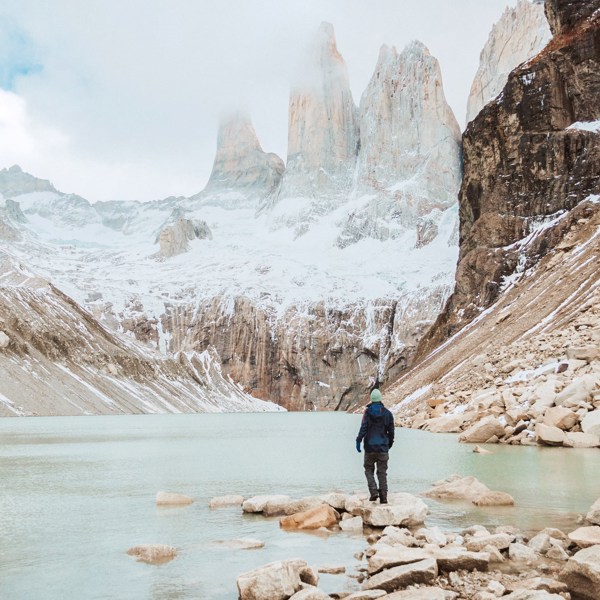
Mount Fitz Roy and Cerro Torre. These iconic granite spires near El Chaltén draw trekkers and climbers from around the world. The Laguna de los Tres trail offers the classic postcard view of Fitz Roy's jagged peak reflected in glacial waters.
Recoleta Cemetery. Buenos Aires' most visited landmark is an open-air museum of ornate mausoleums and sculptures, including the tomb of Eva Perón. The cemetery covers four city blocks and contains over 4,700 above-ground vaults.
Tierra del Fuego National Park. This sub-Antarctic park at the edge of the continent features forests, peat bogs, and coastline along the Beagle Channel. The End of the World Trail is a popular hike through lenga forests to the shore of Lapataia Bay. Transportation
Argentina's vast size makes domestic flights essential for covering long distances efficiently. Aerolíneas Argentinas and low-cost carriers like Flybondi and JetSMART connect Buenos Aires with major destinations including El Calafate, Ushuaia, Mendoza, Bariloche, and Puerto Iguazú. Booking internal flights early saves significantly, especially during peak season.
Long-distance buses are a comfortable and economical alternative for shorter routes. Argentina's bus network is extensive, with cama and suite seats offering reclining beds, meals, and entertainment on overnight journeys. The route from Buenos Aires to Córdoba or Mendoza is well-served by premium bus companies.
Within Buenos Aires, the Subte (subway), extensive bus network, and ride-hailing apps like Uber and Cabify make getting around straightforward. In smaller cities, walking and taxis are usually sufficient.
For travelers joining argentina guided tours, ground transportation between attractions and cities is typically arranged as part of the package, removing the need to navigate schedules and ticketing independently.
Travel Tips
Visa requirements. Citizens of the United States, Canada, the European Union, the United Kingdom, Australia, and most South American countries do not need a visa for tourist stays of up to 90 days. Always verify current entry requirements before departure.
Currency and payments. Argentina uses the Argentine Peso (ARS). Due to exchange rate complexity, it is advisable to bring US dollars in cash and exchange at official banks or authorized exchange houses (cambio). Credit cards from foreign banks often receive the official exchange rate, which can be favorable. ATMs dispense pesos but may have withdrawal limits.
Safety. Argentina is one of the safer countries in South America for tourists. Standard precautions apply: keep valuables secured, avoid flashing expensive electronics in crowded areas, and use registered taxis or ride-hailing apps at night. Buenos Aires neighborhoods like La Boca require extra awareness outside the main Caminito tourist strip.
Language. Spanish is the official language. English is spoken in tourist areas and upscale hotels, but learning basic Spanish phrases will greatly enhance your experience, especially in smaller towns and rural areas.
Health and altitude. Most of Argentina is at low to moderate elevation, but the northwest cities of Salta (1,152 m) and the Quebrada de Humahuaca reach over 3,000 meters. Allow time to acclimatize, stay hydrated, and consult your doctor about altitude medication if needed.
Tipping. A 10% tip is standard at restaurants. Tour guides and drivers appreciate tips of $5 to $10 USD per day for good service.



 91 Results