Get to Know about Chengdu
Chengdu can truly be described as a dream destination catering to everyone; it strikes a perfect balance between ancient culture and a modern, laid-back lifestyle, while also being home to some of the world's most adorable and precious animals, all complemented by fiery Sichuan cuisine. Typically a major highlight of any trip to Southwest China, Chengdu is a destination you won't want to miss; the information provided here will help you plan your visit.
Where is Chengdu?
Chengdu is the capital of Sichuan Province, situated in the southwestern part of
China. It sits on the fertile Chengdu Plain, often referred to as the "Land of Abundance." The city serves as a major transportation hub for southwest China, making it highly accessible via international flights and high-speed rail networks connecting from major hubs like Beijing, Shanghai, and Xi'an.
Chengdu Weather Advisory
The best times to visit Chengdu are spring (March to May) and autumn (September to November), which offer comfortable weather ideal for strolling through outdoor attractions. It is best to avoid the summer months, when both temperatures and humidity are high, making it difficult to spend time outdoors. Winter, however, is usually gloomy and cold.
How to Get Around Chengdu
Getting around the city is straightforward. The Chengdu Metro system is modern, clean, and easy to navigate with English signage. Taxis and ride-hailing apps are affordable and widely available; you can use ride-hailing apps like DiDi to get to your desired destinations, including more distant tourist attractions. If you wish to take a day trip to a nearby city, Chengdu has three high-speed railway stations, making travel extremely convenient.
Chengdu Top Attractions and City Highlights
When building your list of Chengdu tourist attractions, you will find a great mix of historic landmarks and lively urban neighborhoods. One of Chengdu's top attractions inside the city center is the
Wuhou Shrine, a peaceful temple complex dedicated to the heroes of the Three Kingdoms period. Right next to the shrine is Jinli Ancient Street, a bustling pedestrian lane lined with traditional wooden buildings, folk art stalls, and local snack vendors.
If you want to experience Chengdu’s famous slow-paced lifestyle, a Chengdu city tour will typically bring you to the Kuanzhai Alleys (Wide and Narrow Alleys). Here, you can sit down at an outdoor teahouse, sip local green tea, watch a traditional bamboo chair ear-cleaning performance, or observe daily life. Not far from here lies People's Park, where you can also enjoy a cup of tea, watch locals dancing or playing chess, and visit the famous "Matchmaking Corner."
For history lovers, the Jinsha Site Museum offers a fascinating look into a 3,000-year-old Bronze Age civilization through remarkably preserved jade and gold artifacts.
For those with a penchant for modern architecture and style, a visit to the landmark IFS shopping mall is highly recommended—here, you can snap a photo with the famous "climbing panda" sculpture. Just a few steps away lies Daci Temple, an oasis of tranquility amidst the bustling city; after savoring the serenity within the temple grounds, you will emerge into Taikoo Li, a luxurious open-air shopping district. If you wish to experience the city's nightlife, head to the Financial District to admire the towering Twin Towers.
Where to See Giant Pandas in Chengdu
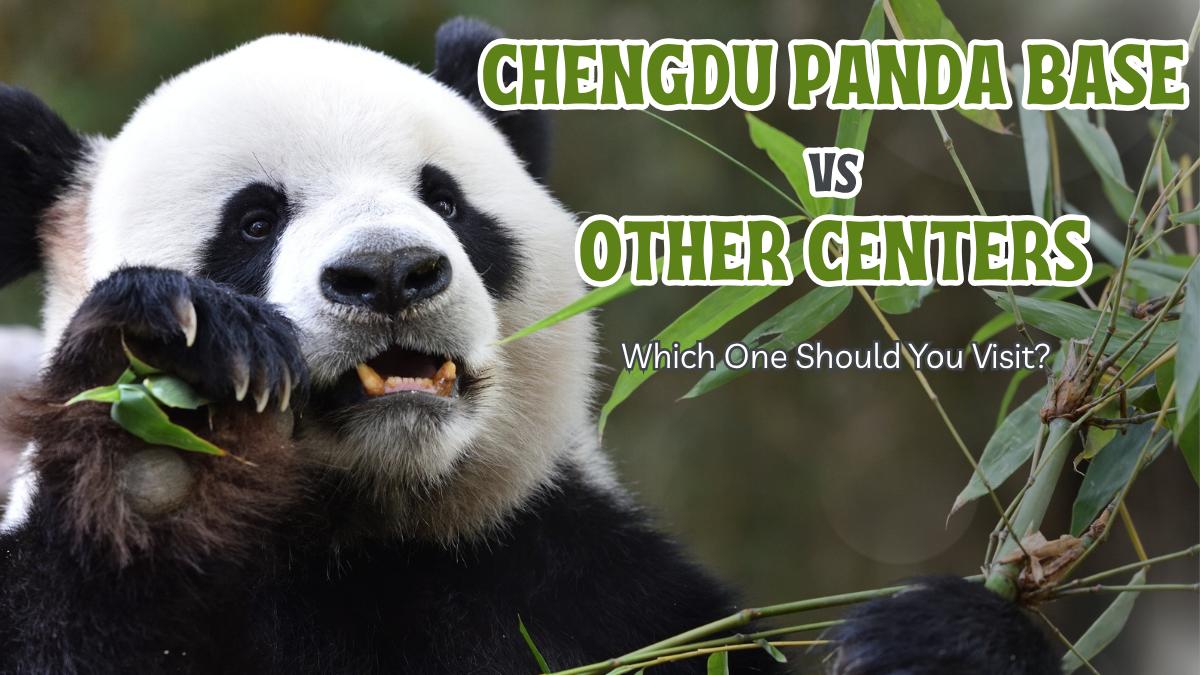
No visit to Sichuan is complete without spending time with its most famous residents. Booking a specialized Chengdu panda tour is the most efficient way to see these animals. The
Chengdu Research Base of Giant Panda Breeding is located just 15 kilometers outside the city center. It houses over 100 giant pandas along with rare red pandas.
To get the most out of your visit, we suggest arriving at the research base around 7:30 AM or 8:00 AM. Pandas are most active during the cooler morning hours when keepers feed them fresh bamboo. By midday, they spend most of their time sleeping indoors to avoid the heat. Guided tours help you navigate the large park paths quickly, so you do not miss the nursery rooms where young panda cubs stay.
If you have ample time, you can also head to the Panda Valley in Dujiangyan. Compared to the Panda Base, this site is much quieter and attracts fewer visitors, allowing you to observe giant pandas and red pandas in an open, ecological environment.
Day Trips from Chengdu
If you have extra time, several iconic sites are located just a short distance outside the city boundaries.
The
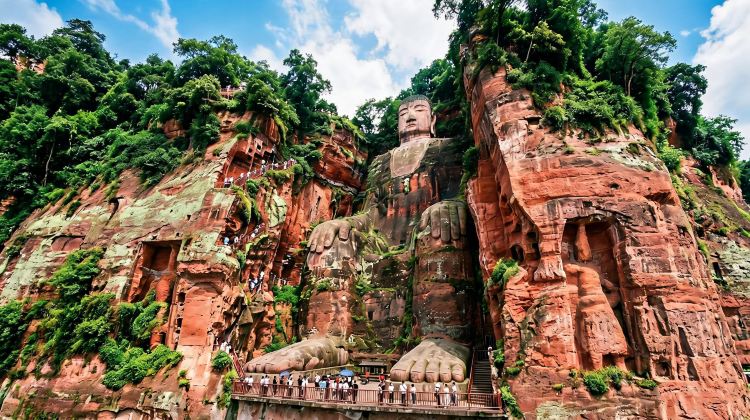
Leshan Giant Buddha is a popular day-trip destination, featuring a massive 71-meter-tall stone statue carved directly into a cliffside during the Tang Dynasty. You can view this marvel by climbing down the cliff stairs or taking a riverboat tour.
Mount Emei, one of China's four sacred Buddhist mountains, sits close to Leshan and offers lush hiking trails and ancient temples. Another great option is the Dujiangyan Irrigation System, a marvel of ancient engineering that still prevents floods today.
Must-Try Foods in Chengdu
Chengdu was designated as a UNESCO City of Gastronomy, and eating your way through the streets is a main attraction. Sichuan cuisine is famous for its use of Sichuan peppercorns, which create a unique numbing and spicy sensation known as ma la.
Sichuan Hotpot: Traditional Chengdu hot pot is based on a rich beef fat base and is rich in spices, dried chili peppers, and peppercorns. You order fresh raw ingredients, such as thinly sliced beef, mushrooms, lotus root, and potato slices, and they are cooked tableside. If you're worried about spiciness, order the Yuanyang Hot Pot, which divides the bowl into a spicy side and a mildly nourishing mushroom or tomato soup.
Mapo Tofu: True Mapo Tofu features silky, pillowy cubes of bean curd tossed in a deeply savory, bright red sauce made of fermented chili bean paste (doubanjiang), minced beef or pork, and a heavy dusting of freshly ground Sichuan peppercorn that hits your tongue immediately.
Dan Dan Noodles: At the bottom of the bowl sits a mixture of chili oil, soy sauce, sesame paste, and numbing pepper, topped with crispy minced pork and preserved vegetables. Give it a thorough toss before your first bite!
Ice Jelly: A translucent, gelatinous dessert made from the seeds of the Nicandra plant. It’s served ice-cold, swimming in liquid brown sugar syrup and topped with crushed peanuts, raisins, sesame seeds, hawthorn flakes, and fresh fruit.