ComoMilanItalyEuropePlaces to GoThings to DoFood & DrinkTravel TipsVacations
Show All

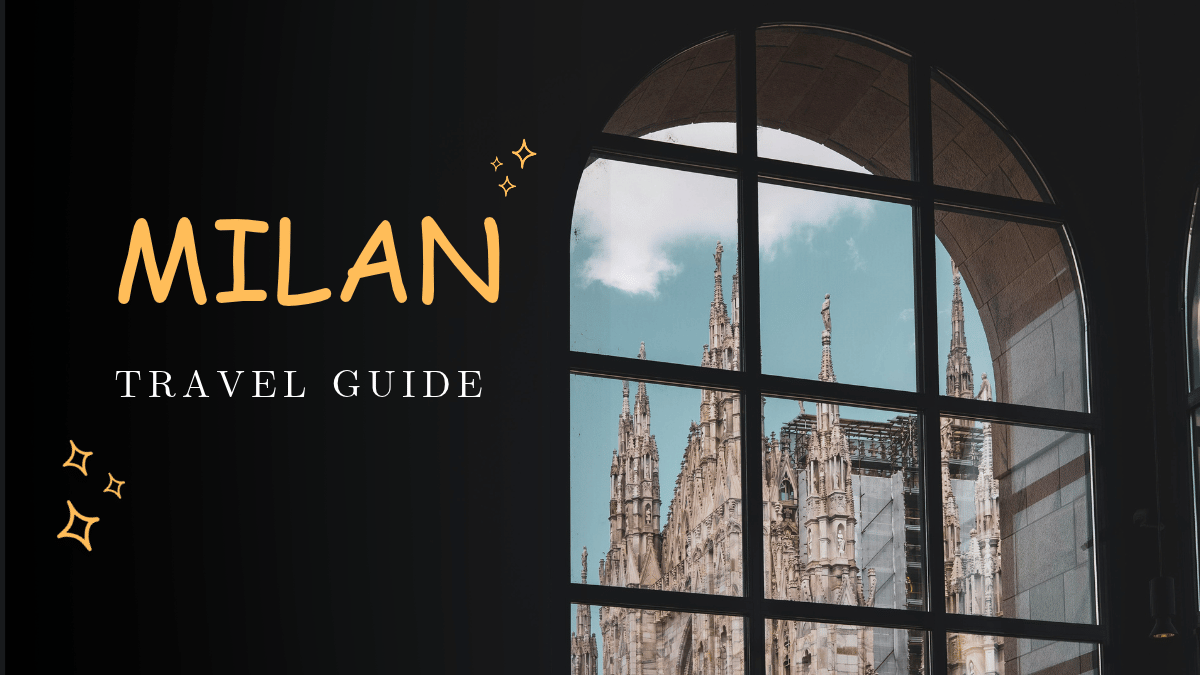
Milan Travel Guide: Fashion, Art and Lake Como Day Trips

cover

The Duomo and Leonardo's Last Supper stand a short walk from a working business district, and the fashion trade that made the city's reputation runs on a calendar of its own. This Milan travel guide is for travelers who want the art and the shopping in the same afternoon, on foot.


What Milan is not is Rome or Florence. Heavy bombing in the Second World War took most of the old center, and the city rebuilt itself as a cosmopolitan business capital, so the sights arrive in clusters rather than in one long open-air museum. The compensation is a center you can cross on foot.


Most visits run three nights: the cathedral and its roof, the Galleria, the Brera galleries, one evening along the Navigli canals. A fourth day turns Lake Como into a comfortable day trip instead of a rushed one. Treat what follows as a Milan Italy travel guide with the filler removed: which quarter to sleep in, when the museums shut, and how to reach the lake without a car.


A City That Works for a Living

Milan is where Italy keeps its money. The Borsa Italiana, the country's stock exchange, is based here, and the city proper is the second most populous in Italy while anchoring the largest urban area in the country. That shapes what a visitor gets: a working city with a weekday rhythm, not a stage set.


The upside is a dense, well-kept historic core. The downside is that the best of it is not on the obvious streets, which is why a short plan pays off here more than in most Italian cities.


That is why Milan rewards planning more than most Italian stops, and why a travel guide to Milan Italy should start with geography rather than a list. It also works as a first stop on a longer Italy tour, with Verona, Venice and Rome within reach.

milan

How to Get Around Milan

Milan has two main international airports. Malpensa is the bigger and sits 40 km from the center, so the airport bus is the sensible default. Linate is 7 km out, which makes it the quick one when your airline uses it. Orio al Serio near Bergamo, 45 km east, and Parma airport, 100 km south, take much of the budget traffic, so check which airport your ticket names before you book a hotel.


Trains come into Milano Centrale. Trenitalia and Italo run long-distance services from there, and Trenord handles the regional network.


Inside the city, walk. The Economist once cited Milan as the most walkable city in the world, and the main sights sit within easy reach of each other, with Corso Vittorio Emanuele and Via Dante closed to cars. Trams, buses and the metro cover the gaps, BikeMI covers the cycling, and driving is the option to skip.

The Quarters That Decide Your Trip

Milan's historic core is small, and the quarters that matter sit inside a walk of each other. Where you sleep decides how the evenings go, and these four cover almost every trip. A guided Milan tour walks the center and Brera in a morning and saves you the map reading.

milan


Centro Storico


The center is built around Piazza del Duomo and runs out through Via Dante and Piazza San Babila to Corso Giacomo Matteotti. The density pays off here: cathedral, Galleria and La Rinascente department store sit minutes apart, and the Galleria alone holds brand stores, two historic bookstores and a cafe. Sleep here to walk to everything.


Brera


Brera is the quarter people mean when they say Milan is stylish without trying. It holds the art gallery, rare-art dealers, older cafes and a run of boutiques from young designers who price below their Montenapoleone neighbors. The metro stops are Lanza and Montenapoleone, and the appeal is the mix.


Navigli


The Navigli are the canal quarter, and they carry the nightlife the city is known for. Walk them at dusk, when the offices empty and the water makes the place feel unlike a financial capital.


Porta Ticinese


Porta Ticinese is the long street south of the canals, and on Saturdays it becomes the city's bargain hunt: the Fiera di Senigallia flea market sets up near Porta Genova station with second-hand clothes, old furniture, records and books.

Top Attractions in Milan

Five addresses carry most of Milan's weight. The order below saves the most walking, not the most importance.


Two practical notes before the list. Most museums close on Mondays, so put a Monday in the Navigli or on the lake instead of in a gallery. The Case Museo di Milano card gives reduced-price entry to four house museums. The San Siro stadium, 3 km west of the center, is shared by AC Milan and Internazionale.


The Duomo


The cathedral is the symbol and the heart of the city, one of the largest Gothic churches anywhere, and the one sight worth standing in line for. Go up. The roof of the cathedral gives one of the two good views of the city, and Torre Branca gives the other.

duomo


Santa Maria delle Grazie


Leonardo's Last Supper hangs in Santa Maria delle Grazie, on the western side of the center, and the church and the painting together are a UNESCO World Heritage Site. This is the reservation that decides your dates: fix it before you book flights.


La Scala


La Scala is one of the longest established opera houses in the world and runs classical concerts through the season. Opera tickets go on sale well before the date, so decide early whether this is the evening you build the trip around.


Castello Sforzesco and Parco Sempione


The Sforzesco castle is the grand medieval piece of the city, and Parco Sempione behind it is the park most visitors end up in. Pair them, and use the park to sit down without ordering anything.


Galleria Vittorio Emanuele II


The Galleria is a 19th-century arcaded shopping gallery, and it does the job of a street: walk it once in daylight for the glass roof and once at night for the lit shopfronts.

Best Season to Visit Milan

Milan works in every month, but the city changes character four times a year, and the difference is as much about what is open as about the weather.


Autumn


Autumn runs warm to cool, and the later weeks turn rainy and foggy. It is the working part of the year, so every major venue and shop is open. Pack for rain and plan one indoor afternoon for every two outdoors.


Winter


Winter is cold, often at or below freezing, with fog, rain or snow. The exception is the few weeks before Christmas, when the sights are lit, a huge tree stands in front of the Duomo, markets fill the squares and the shop windows are dressed. It is also the most crowded stretch of the year.


Spring


Spring temperatures land where autumn's do, and the parks come back. Carnival brings costumes and street celebration, and Easter brings services in the churches and a run of special events.

como


Summer


Summer is hot and humid, broken by the occasional heavy storm. July keeps most shops open. August is the month to think about twice: locals leave on vacation, many businesses close, and several main sights shut with them. What you get in exchange is an empty city.

Shopping, and the Fashion Calendar

Milan is the marketplace for Italian fashion, and the trade runs on two fairs a year, in spring and autumn, when buyers, models and photographers arrive and the hotels fill.


For actual shopping, two streets do most of the work. Corso Buenos Aires, reached from Porta Venezia, Lima or Loreto, is reputed to be the longest shopping street in Europe and is where the chains sit. Corso Vercelli, at Pagano or Conciliazione, is for spending a little less and still buying well.

Lake Como as a Day Trip

Lake Como is the reason many people add a day to Milan. It lies in Lombardy, in the provinces of Como and Lecco, and it has pulled visitors since the early 20th century on the strength of air, water, mountains and weather. The shape explains the planning: an upside-down Y, one leg from Como in the southwest, the other from Lecco in the southeast, joining halfway up before the water runs north to Varenna and Colico.


The southern ends are flat. Head north and the shore turns into Alpine foothill, with skiing in the valleys in winter. Boats run the length of the lake, but the distances are longer than they look on a map: two or three villages is a full day, not five.


Trains leave Milan for Como, which has two stations, Como San Giovanni and Como Lago, and you can buy a ticket at the station tobacconist for a few euros. Fast direct trains reach Varenna in about an hour, which puts you in the middle of the lake without a boat first.


Como


Como sits at the end of the southwestern leg and has been a silk town for a very long time, with the Silk Museum in the center and the Civic Museum Setificio Monti up the shore at Abbadia Lariana. The ferry piers are here, so treat the town as a morning and the water as the day.

como


Bellagio


Bellagio stands on the point where the two legs meet, which is why almost every boat converges on it. The regular ferry from Como takes around two hours and the hydrofoil about 45 minutes. The town is small enough to cover between boats, and it has the densest run of bars and cafes on the lake.


Varenna


Varenna sits on the eastern shore and is the easiest town to reach without a boat, because the direct train stops there. Villa Monastero is the sight in the village, and the pier puts you on the mid-lake triangle with Bellagio and Menaggio.


Menaggio


Menaggio looks across the water at Bellagio from the western shore, and the road in from Lugano lands here. Crossings inside the triangle are frequent, and Villa Carlotta at Tremezzo, with its gardens, is the next stop along the same shore.


Buy the day pass that covers most of the lake, and budget for the hydrofoil supplement on top. The western shore road is slow, so let the boat do the work.

Where to Stay

Three things decide the hotel. How much you want to walk decides between the center and the canals. Whether you have an early train decides whether you want to be near Milano Centrale. And whether the lake is on your list decides how many nights the city gets.


Book in this order: the Last Supper slot, then the opera if you want it, then the bed, then the lake day. The painting is the fixed point everything else moves around.


The Milan vacation packages listing puts the hotel, the transfers and the sightseeing into one booking, which suits a long flight and a short stay.

Conclusion

Length changes the trip more than any list of sights. With two nights, keep everything inside the center: the cathedral and its roof, the Galleria, the Last Supper and one evening on the canals. Drop the lake.


A third night buys the Brera gallery, the castle and a slow morning in Parco Sempione, which is the part of Milan that people who rush never see. Four nights is where Lake Como becomes sensible: one full day, one town in the morning and one after lunch, back in the city for dinner.


A week lets you add the other lakes: Lake Orta, with the island of San Giulio in the middle of it, and Lake Maggiore, with Stresa on its shore and the Borromean Islands a short boat ride away.

FAQ

How many days do you need in Milan?

Three nights covers the center, the cathedral roof and the Last Supper without rushing. Add a fourth night if you want Lake Como as a day trip rather than a separate stay.

When is the worst time to visit?

Mondays, when most museums close, and August, when many businesses and several main sights shut for the summer break. The weeks before Christmas are the busiest of the year.

Can you see Lake Como without a car?

Yes. Trains run from Milan to Como and on to Varenna, and boats link the towns on the water, with hydrofoils for the longer hops.

What is Milan known for?

Fashion, opera at La Scala, football at San Siro, the Duomo and Leonardo's Last Supper. It is also the country's financial center.

Do you need a car in Milan?

No. The center is walkable, trams and the metro fill the gaps, and driving brings traffic and a parking problem rather than freedom.

Summary

A City That Works for a Living

How to Get Around Milan

The Quarters That Decide Your Trip

Top Attractions in Milan

Best Season to Visit Milan

Shopping, and the Fashion Calendar

Lake Como as a Day Trip

Where to Stay

Conclusion

FAQ

America's 250th Anniversary Mega Sale

image