CopenhagenDenmarkEuropeBest TimePlaces to GoThings to DoTravel Tips
Show All

Denmark and Copenhagen: Tivoli, Design Districts and Hygge Living

cover

Copenhagen is the best starting point for a first trip to Denmark. Spend three or four days visiting Tivoli Gardens, Nyhavn, royal palaces, museums, waterfront neighborhoods, and Danish design districts, then add Roskilde, North Zealand, Odense, Aarhus, or another region according to your available time.

Denmark rewards a slower pace. Its appeal comes from well-designed public spaces, cycling culture, coastal landscapes, bakeries, historic towns, and the everyday comfort associated with hygge. A seven-day trip can combine Copenhagen with one additional region; ten days allow a broader rail or road itinerary.


Do I Need a Visa to Denmark?

It depends on your nationality, passport, residence, trip purpose, and length of stay. Denmark is part of the Schengen Area. EU, EEA, and Swiss citizens generally do not need a tourist visa. Many other nationalities can visit the Schengen Area without a visa for short tourist stays, while travelers from visa-required countries must obtain a Schengen visa before departure.

For eligible short stays, the common Schengen limit is up to 90 days within any 180 days across the entire Schengen Area, not 90 days per country. Time spent in France, Germany, Sweden, and other Schengen destinations counts toward the same allowance.

Entry systems and authorization requirements can change. Before booking nonrefundable travel, check the Danish Immigration Service's “New to Denmark” guidance, Denmark's Ministry of Foreign Affairs, and the official EU travel portal. Verify passport validity, transit rules, required documents, proof of funds or accommodation, travel insurance requirements, and any pre-travel authorization that applies on your departure date.


denmark

Best Time for Traveling to Denmark

Spring: Spring brings longer daylight, gardens, and fewer visitors than peak summer, but weather remains changeable. Pack layers and confirm the seasonal opening dates of parks and outdoor attractions.

Summer: Summer offers long evenings, outdoor dining, swimming areas, festivals, and the broadest visitor schedules. It is also the busiest period, so reserve popular hotels and major attractions early.

Fall: Early fall can balance mild weather with lower crowds. Later months become darker and cooler, making museums, restaurants, and hygge-focused city stays more appealing.

Winter: Winter features short days, cold wind, seasonal lights, and a strong indoor atmosphere. Tivoli and Christmas markets operate only on published dates. Build the trip around confirmed schedules rather than assuming every seasonal attraction remains open throughout winter.

Getting Around Denmark

Copenhagen's metro, trains, buses, and harbor transport cover most visitor areas. Walking works well in the center, while cycling is efficient for confident riders. Use a journey-planning service to compare routes and check whether a transport pass or individual ticket best matches the itinerary.

Intercity trains connect Copenhagen with Odense, Aarhus, Aalborg, and other destinations. Seat reservations may be useful on busy departures. A rental car is most valuable for rural coastlines, Møns Klint, smaller villages, or routes with several nature stops.

Denmark drives on the right. Pay attention to cyclists when turning, opening a parked-car door, or crossing a bike lane. Parking and bridge charges can materially increase a road-trip budget.

Best Places to Visit in Copenhagen

Place or district Best for Planning note
Tivoli Gardens Rides, gardens, lights, entertainment Operates on seasonal calendars; check opening dates
Nyhavn Harbor views and classic city photographs Visit early for a quieter walk
Christiansborg Palace Royal rooms, politics, and city views Separate areas may use different tickets and hours
Rosenborg Castle Crown jewels and royal history Timed entry may apply during busy periods
Designmuseum Danmark and Bredgade Danish furniture and design history Check exhibition and opening schedules
Vesterbro and Kødbyen Dining, nightlife, and creative spaces Best from late afternoon into evening
Nørrebro Independent shops, cafés, and multicultural food Combine Jægersborggade with nearby streets
Nordhavn Contemporary architecture and waterfront planning Allow time to walk beyond the metro stop
Christianshavn Canals, architecture, and harbor life Easy to combine with a canal tour
Louisiana Museum of Modern Art Art, architecture, and sea views Located north of Copenhagen; plan a half or full day
 

Tivoli Gardens: Copenhagen's Classic Attraction


Tivoli Gardens sits beside Copenhagen Central Station, making it easy to include even on a short city break. The park combines rides, gardens, restaurants, performances, and evening lighting in a compact historic setting. It works for families, couples, and travelers interested in design or urban history, not only thrill rides.

Tivoli does not follow one uninterrupted year-round schedule. It opens for selected seasons and special periods, and individual rides or events can operate differently. Check the official calendar for the exact travel date before building an itinerary around it.

Admission and ride access may be sold separately. Compare an entry-only ticket with ride products according to how many attractions you expect to use. Evening visits provide the strongest lighting atmosphere, while daytime can be easier for gardens, architecture, and families with younger children.

Copenhagen's Best Design Districts

Bredgade and Frederiksstaden


Bredgade runs through the elegant Frederiksstaden area near Amalienborg Palace. It is one of the clearest places to connect Danish design with antiques, galleries, furniture, and architecture. Designmuseum Danmark provides context for furniture, crafts, fashion, and industrial design before or after a neighborhood walk.

Continue toward Frederik's Church and the waterfront for a route that combines design with royal Copenhagen. Gallery hours vary, so weekday afternoons may provide more options than Sunday.


Vesterbro and the Meatpacking District


Vesterbro has evolved from a working-class district into a mix of residential streets, restaurants, nightlife, independent shops, and creative businesses. The Meatpacking District, known as Kødbyen, uses former industrial buildings for food and cultural venues.

Visit during the day for shops and architecture, then return in the evening for dining. It remains an active urban neighborhood, so visitors should treat residential spaces and late-night streets with normal city awareness.


Nørrebro and Jægersborggade


Nørrebro is one of Copenhagen's most culturally varied neighborhoods. Jægersborggade and surrounding streets contain small design shops, ceramics, vintage clothing, bakeries, coffee shops, and restaurants. Nearby Assistens Cemetery also functions as a quiet green space and contains the graves of notable Danes.

The district is best appreciated as a neighborhood rather than a checklist. Combine a few shops with a bakery stop, local lunch, or walk through Superkilen's public space.


Nordhavn


Nordhavn shows contemporary Copenhagen through converted port structures, new housing, swimming areas, public spaces, and modern infrastructure. It appeals to travelers interested in architecture, sustainability, and city planning.

The district continues to change, so maps and construction routes may differ from older guides. Use public transportation, then explore on foot while respecting active residential and work areas.

What Hygge Means for Travelers

Hygge describes comfort, warmth, ease, and shared time rather than a single attraction or decorating style. Candles and blankets can contribute, but the idea also appears in a relaxed meal, coffee with friends, a quiet reading corner, or an unhurried evening at home.
Travelers can experience hygge without booking a themed activity:

 
  • Start the morning in a neighborhood bakery rather than rushing between landmarks.
  • Choose a small café with time for coffee and conversation.
  • Walk beside the canals, then warm up in a museum or restaurant.
  • Book an apartment, inn, or hotel lounge that provides comfortable shared space.
  • Plan one evening around dinner and atmosphere instead of multiple attractions.
  • Visit in winter for candles and indoor coziness, or in summer for picnics and long outdoor evenings.
Hygge should not become a reason to idealize daily life or reduce Danish culture to a marketing slogan. It is most meaningful when the itinerary leaves enough time to enjoy ordinary surroundings.

Essential Things to Do in Copenhagen

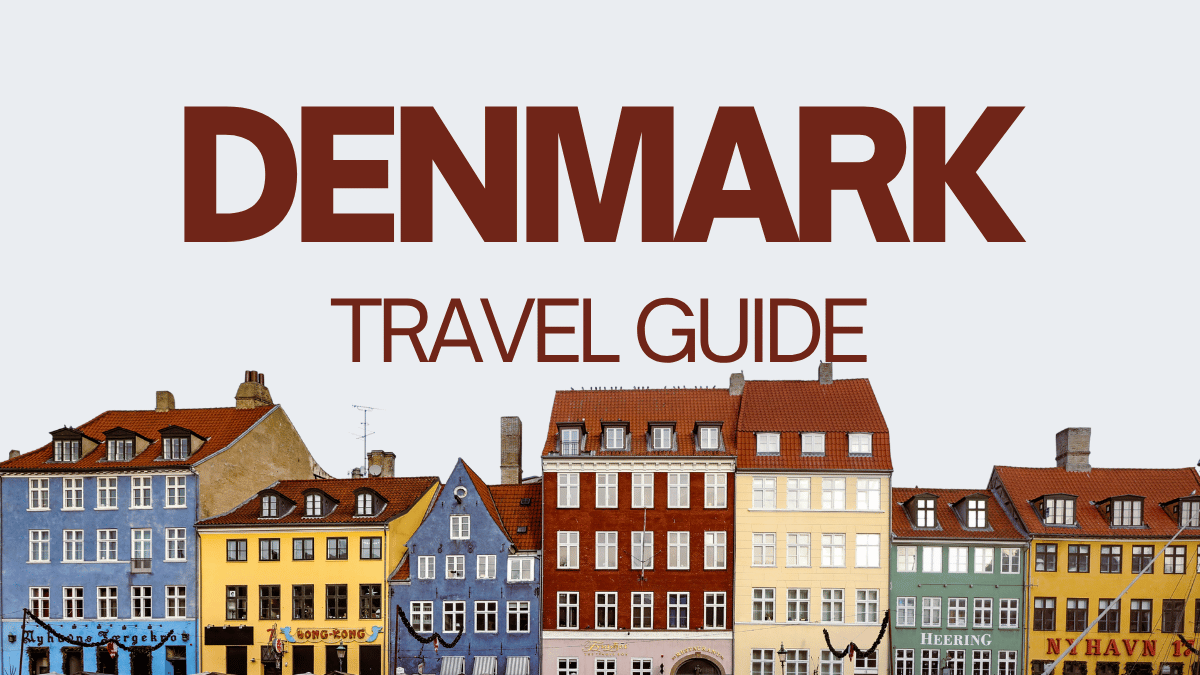
Walk Nyhavn and the Harbor: Nyhavn's colorful façades and historic ships make it Copenhagen's most recognizable waterfront. The restaurants are convenient, but the best experience may be a simple morning walk followed by a canal tour or a route toward Amalienborg and the harbor.

Copenhagen


Visit Christiansborg Palace: Christiansborg houses institutions of government alongside royal reception rooms and historical spaces. Different sections can have separate entrances, opening hours, and tickets. Decide whether your priority is the royal rooms, ruins, stables, or tower before arriving.

See Rosenborg Castle and the King's Garden: Rosenborg Castle provides a compact introduction to Danish royal history and the crown jewels. The surrounding King's Garden adds an easy outdoor break. Timed entry or capacity controls may apply, especially in summer.

Tour the Canals: A canal cruise helps first-time visitors understand the relationship among the old city, Christianshavn, the harbor, and newer waterfront districts. Routes, languages, and covered seating vary. Bring a layer because conditions on the water can feel cooler than on land.

Eat Beyond New Nordic Fine Dining: Copenhagen's food scene includes bakeries, open-faced smørrebrød, markets, neighborhood restaurants, street food, and international cuisines. Reservations help for high-demand restaurants, but a satisfying trip does not require a tasting menu every night.

Cycle Carefully: Cycling is part of Copenhagen's transport system, not merely a visitor activity. Use cycle lanes correctly, signal turns and stops, keep right unless passing, and never pause in a bike lane for directions or photographs. Travelers uncomfortable in traffic can use a guided ride or walk instead.

Best Places to See in Denmark Beyond Copenhagen

North Zealand

North Zealand offers Kronborg Castle in Helsingør, Frederiksborg Castle in Hillerød, coastal towns, and the Louisiana Museum of Modern Art. Rail makes several destinations possible as day trips, although combining all of them in one day creates a rushed schedule.

Roskilde

Roskilde is known for its cathedral and Viking Ship Museum. It is close enough for a straightforward day trip from Copenhagen and adds medieval, maritime, and archaeological context to a city-focused itinerary.

Odense

Odense, associated with Hans Christian Andersen, mixes literary history with a regenerated center and museums. It works as a stop between Copenhagen and Jutland or as an overnight destination for families and cultural travelers.

Aarhus

Aarhus combines a youthful university atmosphere with major museums, contemporary architecture, an old-town open-air museum, and a strong food scene. Give it at least two nights rather than treating it as a brief stop from Copenhagen.

Møns Klint

The white chalk cliffs of Møn provide one of Denmark's most distinctive natural landscapes. Trails and stairways can be steep or slippery, and cliff-edge conditions require care. A car offers the most flexibility, though organized excursions may operate seasonally.

Ribe and the Wadden Sea

Ribe is Denmark's oldest town, with cobbled streets, a cathedral, and access to the Wadden Sea region. Tides, weather, and protected-area rules shape coastal activities, so guided nature outings are useful.

Skagen

Skagen sits at Denmark's northern tip and is known for shifting light, dunes, artists, and the meeting of sea currents at Grenen. It requires a substantial journey from Copenhagen and fits better into a Jutland itinerary than a rushed day trip.

Bornholm

Bornholm is a Baltic island with rocky coast, beaches, round churches, smokehouses, cycling, and craft traditions. Ferry or flight schedules determine the practical plan. The island deserves several nights, especially outside summer when services may be reduced.

Suggested Denmark Itineraries

3 Days: Copenhagen Essentials


Spend the first day around Nyhavn, the royal district, and a canal cruise. Use day two for Tivoli, Christiansborg, and the historic center. Dedicate day three to a design route through Bredgade, Nørrebro, Vesterbro, or Nordhavn.
 

7 Days: Copenhagen, North Zealand, and Odense


Allow four nights in Copenhagen, take a North Zealand day trip, then continue to Odense for two nights. This route works well by train and avoids excessive hotel changes.
 

10 Days: Copenhagen, Odense, and Aarhus


Combine four nights in Copenhagen with two in Odense and three in Aarhus, leaving one day for travel or an additional stop. An open-jaw flight can reduce backtracking when international schedules permit.

Practical Travel Tips

  • Denmark uses the Danish krone rather than the euro.
  • Cards are widely used, but carry a backup payment method.
  • English is commonly spoken in visitor settings; learning a few Danish greetings is still appreciated.
  • Tap water is generally safe to drink unless local notices state otherwise.
  • Weather can change quickly near the coast, so carry a light waterproof layer.
  • Denmark can be expensive; bakeries, lunch specials, supermarkets, and public transport help control costs.
  • Travel insurance should cover medical needs, delays, and planned activities.

The most useful Copenhagen Denmark travel guide leaves room beyond landmark visits. Tivoli, castles, museums, and design districts provide structure, while neighborhood bakeries, cycling streets, waterfront walks, and relaxed meals reveal the daily rhythm behind hygge. Use Copenhagen tour as the starting point, then add one or two Danish regions according to the time available.

FAQ

Do I need a visa to Denmark for a short vacation?

It depends on your nationality and passport. EU, EEA, and Swiss citizens generally do not need a tourist visa. Many other travelers qualify for visa-free short stays, while visa-required nationalities need a Schengen visa. Verify current rules through official Danish and EU sources.

How many days do I need in Copenhagen?

Three full days cover the main city sights at a practical pace. Four or five days allow design districts, neighborhood dining, Louisiana Museum, or another day trip without rushing.

What are the best things to do in Denmark outside Copenhagen?

Visit the castles and museums of North Zealand, Roskilde's cathedral and Viking ships, Odense's literary sites, Aarhus's museums, Møns Klint, Ribe, Skagen, or Bornholm. The best choice depends on trip length and season.

Is Denmark easy to travel without a car?

Yes for Copenhagen, major cities, and many day trips. Trains and buses connect the main urban destinations. A car becomes more useful for rural coastlines, small villages, and nature sites with limited public transport.

What is the best month to travel to Copenhagen Denmark?

May through September generally offers longer daylight and broad attraction schedules, while December appeals to travelers seeking seasonal lights and indoor atmosphere. The best month depends on weather tolerance, budget, and confirmed event dates.

Summary

Do I Need a Visa to Denmark?

Best Time for Traveling to Denmark

Getting Around Denmark

Best Places to Visit in Copenhagen

Copenhagen's Best Design Districts

What Hygge Means for Travelers

Essential Things to Do in Copenhagen

Best Places to See in Denmark Beyond Copenhagen

Suggested Denmark Itineraries

Practical Travel Tips

FAQ

America's 250th Anniversary Mega Sale

image