ChinaAsiaPlaces to GoTravel Tips
Show All

China Photography Guide: Best Spots for Stunning Shots

cover

The best China photography spots cover far more than one visual style. You can frame watchtowers crossing mountain ridges, sandstone pillars rising through mist, rice terraces reflecting the sky, earthen villages, desert dunes, and modern skylines. This guide compares 12 strong locations for photographing China and explains what each place offers, how to approach the scene, and what to check before you go.
 

Photography spot Best for Strong visual approach Useful base
Jinshanling Great Wall Landscapes and architecture Layered ridges, watchtowers, side light Beijing
Forbidden City and Jingshan Park Imperial architecture Symmetry, roof patterns, elevated views Beijing
Zhangjiajie Mountain landscapes Mist, compressed layers, vertical scale Wulingyuan
Li River and Xingping Karst scenery Reflections, silhouettes, river life Guilin or Yangshuo
Mount Huangshan Mountains and weather Pines, granite, cloud layers Huangshan City
Yuanyang Rice Terraces Cultural landscapes Reflections, curves, field patterns Yuanyang area
Jiuzhaigou Valley Water and forest Color contrast, waterfalls, intimate details Jiuzhaigou area
Dunhuang Desert and Silk Road heritage Dune lines, shadows, environmental context Dunhuang
The Bund, Shanghai Cityscapes Blue hour, reflections, old-and-new contrast Central Shanghai
Xi'an City Wall Urban history Gates, bicycles, geometric lines Central Xi'an
Xidi and Hongcun Historic villages White walls, dark roofs, water reflections Southern Anhui
Fujian Tulou Vernacular architecture Circular geometry, courtyards, rural setting Southwestern Fujian

Why China Works So Well for Photography

One Trip Can Cover Several Visual Styles


China's scale gives photographers unusual range. A route can combine historic architecture in Beijing or Xi'an, natural scenery in Hunan or Guangxi, and urban work in Shanghai. The strongest itinerary usually focuses on two or three regions instead of rushing between every famous landmark.
 

Weather Changes the Picture


Clear skies are not always the goal. Mist separates the sandstone columns of Zhangjiajie, clouds add depth to Huangshan, and light rain can create reflections on village lanes. Build flexibility into the schedule and return to a viewpoint when the conditions change.
 

Preparation Matters More Than Extra Gear


Before photographing China, save location names in Chinese, check the latest entry and photography rules, and carry rain protection. A wide-angle lens helps with courtyards and architecture, while a short telephoto lens is useful for mountain layers, compressed street scenes, and details that are difficult to reach physically.

1. Jinshanling Great Wall: Layered Ridges and Watchtowers

Why It Works


The Great Wall combines a strong leading line with repeating watchtowers and mountain ridges. Jinshanling is especially effective for landscape photography because the wall follows the shape of the terrain instead of appearing as one flat monument.
 

Shot Ideas


Use a moderate telephoto lens to compress several ridges into one frame, or place a watchtower off-center and let the wall guide the eye through the image. Side light helps reveal the texture of the stone and brick. In hazy conditions, work with the fading layers rather than trying to remove all atmosphere.

jinshanling


Practical Notes


Jinshanling is commonly approached from Beijing, but transport and access conditions can change. Check the official site before departure, allow more time than a city attraction requires, and stay on authorized sections. If your wider route includes Beijing and other regions, organized China tours can reduce the time spent coordinating long transfers.

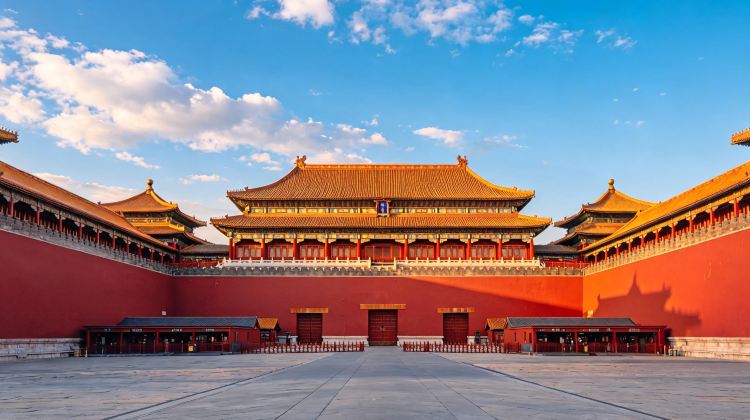
2. Forbidden City and Jingshan Park: Imperial Beijing from Two Angles

Why It Works


The Forbidden City offers axial symmetry, layered gateways, painted details, stone courtyards, and repeating rooflines. Nearby Jingshan Park provides the elevated view that reveals the palace complex as a complete composition.

Shot Ideas


Inside the palace, look for frames within frames, repeating doorways, and small figures that show scale. From Jingshan, a longer focal length can isolate the central halls or compress rows of golden roofs. Overcast light is useful for recording color and detail without harsh courtyard shadows.

the forbidden palace


Practical Notes


This is a heavily visited heritage area, so arrive with a short shot list and patience. Confirm current reservation requirements, permitted equipment, and opening information through official channels. Do not block doorways or pedestrian flows while setting up a composition.

3. Zhangjiajie: Sandstone Pillars in Mist

Why It Works


Zhangjiajie in Hunan is known for thousands of narrow sandstone pillars and peaks, along with ravines, streams, pools, and waterfalls. Its vertical landscape produces strong separation when clouds or mist move between the formations.

Shot Ideas


Use a telephoto lens to simplify a crowded scene into three or four overlapping layers. Include trees or a viewing-platform railing only when they add scale. After rain, watch for brief openings in the cloud rather than waiting for a completely clear sky.

zhangjiajie

Practical Notes


The scenic area is large, and popular viewpoints can be busy. Choose one zone for morning and another for later light instead of trying to cover the entire park in a day. Weather protection and a lens cloth are more useful here than carrying every lens you own.

4. Li River and Xingping: Karst Peaks and Reflections

Why It Works


The river corridor around Guilin, Yangshuo, and Xingping places distinctive karst formations beside water, farms, and villages. It suits wide landscapes, compressed mountain layers, environmental portraits, and quieter detail studies.

Shot Ideas


At calm moments, use the river as negative space and wait for a boat to give the frame scale. A longer lens can stack the peaks, while a wider view works well when the foreground contains reeds, a path, or a riverbank. Backlight can turn the karst shapes into clean silhouettes.

yangshuo

Practical Notes


Fog, river level, and local activity vary with weather and season, so avoid building the entire trip around one exact image. Ask permission before making close portraits, respect private land, and confirm local access rather than following an unverified map pin.

5. Mount Huangshan: Granite Peaks, Pines, and Cloud Layers

Why It Works


Mount Huangshan has long been represented in Chinese painting and literature. Its granite peaks, weather-shaped pines, and recurring cloud layers give photographers clear foreground, middle-ground, and background elements.

Shot Ideas


A normal or short telephoto lens often works better than an ultra-wide lens because it isolates a pine, rock face, or opening in the cloud. Look for small human figures on stairways to communicate scale. Snow, rain, and fog can be visually strong, but only when conditions are safe.

huangshan


Practical Notes


Mountain routes involve extensive stairs, rapid weather changes, and limited space at some viewpoints. Pack light, protect equipment from moisture, and confirm current trail, cableway, accommodation, and access information before the visit. Do not trade safe footing for a cleaner angle.

6. Yuanyang Rice Terraces: Curves That Follow the Mountains

Why It Works


The Honghe Hani Rice Terraces cascade down the slopes of the Ailao Mountains in southern Yunnan. Their curved field boundaries, water channels, villages, and forested slopes create a cultural landscape rather than a purely natural one.

Shot Ideas


Reflected light makes the terraces appear as bands of silver, blue, or warm color. A telephoto lens can extract abstract patterns, while a wider frame can connect fields with villages and forest. Include farmers only with consent and without interrupting their work.

Yuanyang Rice Terraces

Practical Notes


The appearance of the fields depends on the farming cycle, water, weather, and viewpoint. Verify seasonal conditions locally instead of assuming that an image from social media represents the day you will visit. Use established paths and avoid stepping onto field walls.

7. Jiuzhaigou Valley: Water, Forest, and Mountain Detail

Why It Works


Jiuzhaigou in northern Sichuan combines forest ecosystems, waterfalls, mountain forms, and clear water. The scene supports both broad landscapes and smaller compositions built around reflections, tree trunks, rock texture, and moving water.

Shot Ideas


A polarizing filter can help manage reflections, but rotate it carefully so the water does not lose all surface character. Use a faster shutter to preserve texture in cascades or a slower setting for softer motion when a stable, permitted support is available. Keep colors natural during editing.

jiuzhaigou

Practical Notes


This is a protected and carefully managed landscape. Stay on designated routes, follow current visitor instructions, and never enter the water for a lower angle. Conditions and accessible areas can change, so verify official notices close to the visit.

8. Dunhuang: Desert Lines and Silk Road Context

Why It Works


Dunhuang brings together desert terrain and major Silk Road heritage. The dunes near the city offer clean lines, small figures, and strong shadows, while the Mogao Caves provide cultural context through their long history of Buddhist art.

Shot Ideas


For dunes, use a telephoto lens to isolate ridges and let one person establish scale. Early or late light tends to reveal more surface texture than flat midday light. At heritage sites, photograph the exterior setting and visitor experience when interior photography is restricted.

dunhuang

Practical Notes


Sand enters equipment easily, so avoid changing lenses in exposed areas and keep the camera covered when not in use. Mogao contains fragile paintings and sculptures; follow all current photography rules without exception. Confirm reservation and access information through official sources.

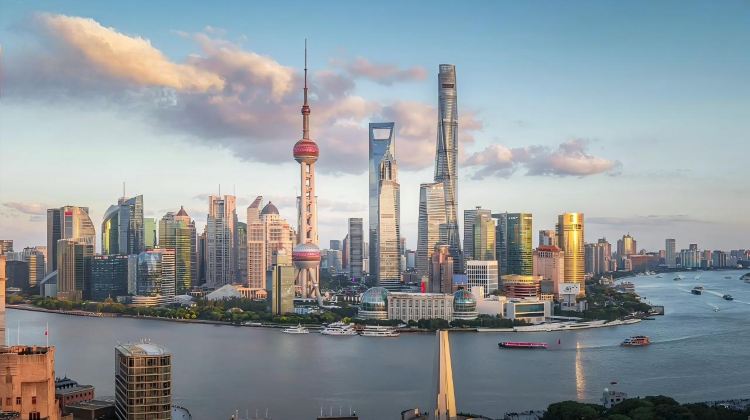
9. The Bund, Shanghai: Historic Facades and a Modern Skyline

Why It Works


The Bund gives photographers two subjects from the same waterfront: historic facades on the west bank of the Huangpu River and the towers of Lujiazui across the water. It is one of the most efficient photography spots in China for cityscape work.

Shot Ideas


Shoot the skyline during blue hour for balanced building and sky exposure, then turn toward the Bund for architectural details and street scenes. Reflections after rain can add color at ground level. A short telephoto lens helps separate individual towers from a visually busy skyline.

the bund

Practical Notes


Expect crowds along the main promenade. Keep tripods and bags out of pedestrian traffic, and check local restrictions before using support equipment. Nearby bridges, ferry views, and side streets can produce quieter compositions than the central viewpoint.

10. Xi'an City Wall: Geometry, Gates, and Everyday Movement

Why It Works


Xi'an's city wall creates strong lines, repeated battlements, gate towers, and views into the modern city. The contrast between monumental architecture and cyclists or pedestrians makes it useful for both travel and documentary photography.

Shot Ideas


Use the wall as a leading line and wait for one person to enter a clean section of the frame. At gate areas, look for symmetry, layered roofs, and shadow patterns. After dark, expose for illuminated architecture while preserving some sky detail.

xian

Practical Notes


Distances along the wall are greater than they first appear, so choose a gate and direction based on your shot list. Check current opening hours, ticketing, weather closures, and equipment rules before arrival rather than relying on an older travel post.

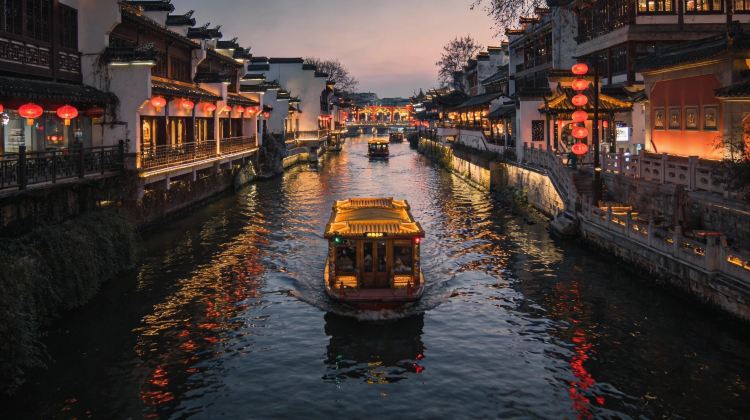
11. Xidi and Hongcun: White Walls, Dark Roofs, and Water

Why It Works


Xidi and Hongcun preserve historic village plans, traditional architecture, decorative details, and water systems. Their white walls, dark tiled roofs, narrow lanes, and ponds create a restrained palette that works well in soft or wet weather.

Shot Ideas


Use doorways and lanes as frames, then switch to a longer lens for roof patterns and architectural details. In Hongcun, water can reflect buildings and changing light. Include daily life with care, remembering that these are living communities rather than outdoor sets.

hongcun

Practical Notes


Visit quietly, keep entrances clear, and ask before photographing residents up close. Rain can improve reflections but also makes stone lanes slippery. A compact kit is easier to manage in narrow streets than a large tripod setup.

12. Fujian Tulou: Circular Architecture in a Rural Landscape

Why It Works


The Fujian tulou are multi-story earthen communal buildings with circular or square plans built around central courtyards. Their geometry is immediately recognizable, yet the surrounding fields, hills, and village life give each composition a wider sense of place.

Shot Ideas


From an authorized elevated position, show how a tulou sits within the landscape. Inside, center the courtyard or use repeating balconies to create rhythm. A wide lens helps in confined spaces, but keep vertical lines controlled and avoid exaggerating people at the frame edges.

tulou

Practical Notes


Many tulou remain lived-in spaces. Follow signs, ask before entering domestic areas, and request permission for portraits. Do not assume aerial photography is permitted; drone and protected-site rules can change and must be checked locally before travel.

How to Choose the Right China Photography Spots

For Mountain and Landscape Photography


Choose Zhangjiajie for vertical sandstone forms, Huangshan for granite peaks and changing clouds, or Jiuzhaigou for water and forest. Pick one mountain region and allow a buffer day. Weather-dependent landscapes reward time more than a rushed checklist.

For Architecture and Cultural Landscapes


Pair Beijing or Xi'an with Xidi, Hongcun, or the Fujian tulou. The cities provide monumental geometry, while the villages show how buildings relate to water, fields, lanes, and daily life. This combination gives a portfolio more variety than photographing only famous facades.

For an Easier Multi-City Route


Beijing, Xi'an, and Shanghai are practical anchors for a first photography-focused visit. Travelers who want the transport and major sightseeing arranged can compare China vacation packages and then check whether the pace leaves enough independent time for early and late light. Tours4fun can also serve as a starting point for comparing routes, but photographers should review each itinerary rather than assume every stop allows a full shooting session.

Build the Itinerary Around Light, Not Just Landmarks

Limit each day to one priority sunrise or evening subject. Use the middle of the day for scouting, indoor visits, transfers, battery charging, and backing up files. Keep copies in two separate places, and record Chinese place names offline in case connectivity is limited.

Start Photographing China

A strong photography trip to China does not need every famous location. Choose a small group of places that support the subjects you care about, leave room for changing light, and verify site rules before each visit. Tours4fun can help you compare destination coverage and organized routes, while your own shot list should protect the time needed to observe and wait. The best photographs will come from careful timing, respectful access, and a clear reason for including each element in the frame.

FAQ

What are the best China photography spots for a first trip?

Beijing, Zhangjiajie, the Li River area, and Shanghai provide a balanced first portfolio. Beijing covers imperial architecture and the Great Wall, Zhangjiajie adds mountain scenery, the Li River offers karst landscapes, and Shanghai provides modern cityscapes. If the schedule is short, choose two regions rather than losing several days to transfers.

What is the best season for photographing China?

There is no single best season for the whole country. Spring can bring fresh vegetation and mist, autumn often offers clearer air and foliage in many regions, winter may add snow or quieter scenes, and summer suits some highland destinations. Match the season to the subject, then check local weather patterns and access conditions before booking.

What lens should I take for photographing China?

A practical travel kit is a wide-angle or standard zoom plus a short telephoto zoom. The wider lens covers interiors, courtyards, streets, and foreground-led landscapes. The telephoto lens compresses mountain ridges, isolates architectural details, and helps you work from designated viewpoints. Add a fast prime only if low-light street or portrait work is central to the trip.

Can I use a tripod at tourist attractions in China?

Tripod rules vary by site, building, crowd level, and event. Some locations may restrict large supports even when handheld photography is allowed. Check the attraction's official guidance shortly before visiting, carry a compact alternative, and never block a path, doorway, or emergency route. The same caution applies to monopods and lighting stands.

Can tourists fly drones at China's photography locations?

Do not assume that a scenic or rural location permits drones. National aviation rules, local restrictions, protected-area policies, temporary controls, and registration requirements may all apply. Confirm the current rules through official authorities and the site manager before travel. If permission is unclear, keep the drone grounded and use accessible elevated viewpoints instead.

Summary

Why China Works So Well for Photography

1. Jinshanling Great Wall: Layered Ridges and Watchtowers

2. Forbidden City and Jingshan Park: Imperial Beijing from Two Angles

3. Zhangjiajie: Sandstone Pillars in Mist

4. Li River and Xingping: Karst Peaks and Reflections

5. Mount Huangshan: Granite Peaks, Pines, and Cloud Layers

6. Yuanyang Rice Terraces: Curves That Follow the Mountains

7. Jiuzhaigou Valley: Water, Forest, and Mountain Detail

8. Dunhuang: Desert Lines and Silk Road Context

9. The Bund, Shanghai: Historic Facades and a Modern Skyline

10. Xi'an City Wall: Geometry, Gates, and Everyday Movement

11. Xidi and Hongcun: White Walls, Dark Roofs, and Water

12. Fujian Tulou: Circular Architecture in a Rural Landscape

How to Choose the Right China Photography Spots

Start Photographing China

FAQ

America's 250th Anniversary Mega Sale

image