ChicagoUnited StatesNorth AmericaPlaces to GoThings to DoWhere to StayTravel TipsVacations
Show All

Chicago Travel Guide 2026: Architecture, Food & More

cover

Think of this as a Chicago travel guide written for travelers who want to understand the city before they book anything. Two subjects do most of the work here: a skyline you can walk, and a food culture that runs on deep dish pizza and the Chicago-style hot dog.


Chicago sits in northeastern Illinois along Lake Michigan and is the third most populous city in the United States. It was incorporated in 1837, picked up the nicknames the Windy City and the Second City, and hosted the World's Columbian Exposition in 1893 in Jackson Park. The city is known for deep dish pizza, Chicago-style hot dogs, theater, outdoor art, and its sports teams.


The question worth answering before anything else is what kind of trip you want. Do you want to stay inside Chicago and work through the architecture and the food block by block, or use the city as the launch point for the Great Lakes and the southern mountains?


Both are easy to arrange. You can put the days together yourself, or hand the driving to a Chicago tour that starts and ends downtown and leaves you free to look out the window instead of at the road.


The Chicago Travel Guide to Architecture: What to Look Up At

The city's skyline includes the Willis Tower, still commonly called the Sears Tower and counted among the tallest buildings in the world. Soaring skyscrapers sit right beside well-preserved historic buildings, so you can cover a lot of architectural ground in a single morning on foot. With one day downtown, this is the order I would walk it in.


Where What it is Time to give it
Willis Tower Still widely called the Sears Tower, and one of the tallest buildings in the world An hour
Architecture boat tours A streamliner out onto Lake Michigan, or a Seadog speedboat through the Chicago River Locks Half a day
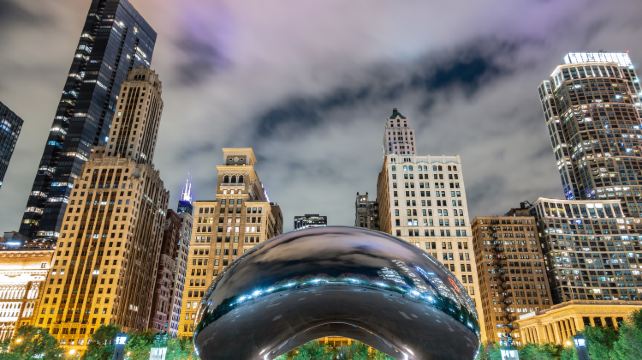
Millennium Park and Cloud Gate The park that signifies the rebirth of downtown and the sculpture in its middle An hour
The Magnificent Mile 13 blocks of shops and street life below the towers Half a day
Museum Campus The Field Museum of Natural History, the Shedd Aquarium and the Adler Planetarium One museum per visit
Navy Pier A Ferris wheel about 15 stories high looking back at the skyline Two hours


The Willis Tower and the Towers Around It


The Willis Tower is the building most people photograph first, and the older name, Sears Tower, is still what you hear on the street. The city's destination page lists it at the top of its attractions, together with the skyscrapers and historic buildings around it downtown. Give the tower and the surrounding blocks an hour, and you have the shape of the city.


The Chicago River and the Architecture Boat Tours


The architecture tours on the Chicago River are the reason so many visitors end up on a boat at all. A streamliner heads out onto Lake Michigan for panoramic views back at the South Side and the city's varied architectural styles, while the Seadog speedboat runs a faster tour through the Chicago River Locks up to the Willis Tower. Budget half a day for the river and the lake together.


Millennium Park and Cloud Gate


Millennium Park signifies the rebirth of downtown, and Cloud Gate is the reflective sculpture that pulls the crowds into it. It folds easily into a walking morning, because Grant Park and the lakefront sit next to it. Budget an hour.

Millennium Park


The Magnificent Mile and the Downtown Blocks


The Magnificent Mile runs 13 blocks and carries most of the shopping, hotel and street life in the center of the city. Walk it once for the scale of the buildings above you, then branch off toward the river bridges, where the towers stack up behind each other. Two hours is realistic if you stop, half a day if you shop.


Grant Park, Buckingham Fountain and the Museum Campus


Grant Park gives you the open space at the edge of downtown, with Buckingham Fountain inside it and the Museum Campus on the lakefront beyond. The Field Museum of Natural History, the Shedd Aquarium and the Adler Planetarium all sit in that cluster, so pick one and go deep instead of racing through three. Plan an afternoon for a museum.


The Chicago Theater, Navy Pier and 360 Chicago


The Chicago Theater opened on October 26, 1921, and its interior keeps a miniature replica of the Arc de Triomphe in Paris, which is why theater tours stop there. Navy Pier adds the other view: a Ferris wheel about 15 stories high, plus the Chicago Children's Museum and the Chicago Shakespeare Theater. For a higher angle, the John Hancock Center carries the observation deck known as 360 Chicago Observatory.


Chicago theater

Chicago Food: Deep Dish, Hot Dogs and Markets

Two dishes carry the city's food reputation, and both are easy to find in the center of town. Around them, the food story is about markets, festivals and rooftops, plus one market stop that turns up on the lakeshore trips.


Deep Dish Pizza


Deep dish pizza is the dish the city's destination page names first when it lists what Chicago is known for, ahead of the hot dogs and the theater. Keep it for a sit-down dinner rather than a rushed lunch between two buildings, and reserve a table if you are eating on a summer weekend.


Chicago-Style Hot Dogs


The destination page names the Chicago-style hot dog next to deep dish as one of the things the city is known for, and you will pass a stand selling one on almost any downtown block. It is the fast, cheap counterpart to a deep dish dinner, which makes it the natural lunch on a day built around walking.


The Milwaukee Public Market


One food stop sits outside the city. The Milwaukee Public Market is about an hour and a half north, and an hour there covers lunch and a walk past the stalls, which makes it the natural break on a drive toward the lakeshore.


Street Food, Rooftops and the Summer Table


In summer the evening moves outdoors. The destination page points to street food festivals, rooftop bars and music in Millennium Park as the heart of the summer night scene, with neighborhood block parties filling out the calendar. Reserve a table with a lake view for sunset, and eat early on the days you plan to walk.

When to Go: The Short Season Guide

The weather decides the best time to visit Chicago. Chicago runs a real four-season year, and each season changes the walking, the water, and the crowds.


Autumn


Early September holds daytime highs in the low 20s Celsius, which is the 70s Fahrenheit, and October and November settle toward 10 to 13 Celsius. Fewer people on the architecture boats and crisp air make this the strongest window of the year.


Winter


Temperatures hover around freezing, and lake-effect wind off Lake Michigan makes the shorefront feel colder than the number suggests. Museums, theater and skating at the ice rink in Millennium Park carry the days, and the lower tourist season often brings hotel deals. Some outdoor venues close in the cold.


Spring


Highs climb from about 5 Celsius in March toward 15 or higher by late April and May, with rain and swings along the way. Grant Park's paths come into bloom, the Lakefront Trail is pleasant again, and the St. Patrick's Day parade fills the streets in March.


Summer


Average highs land in the mid-20s Celsius, some days into the upper 80s Fahrenheit, and the lakeshore offers relief. Boat cruises and architecture tours animate the Chicago River, and the popular attractions want reserving well in advance.

Getting Around and Where to Stay

Chicago is a walking city in the middle and a lakefront city at the edges. Between the two, a handful of choices decide how much ground you cover in a day.


Downtown on Foot


The downtown sights sit close enough to string together without a car: Millennium Park and Cloud Gate, Grant Park, the 13-block Magnificent Mile, and the river bridges that frame the skyline from below. Museum Campus gathers the Field Museum of Natural History, the Shedd Aquarium and the Adler Planetarium on the lakefront, so choose one for an afternoon instead of attempting all three.


Bikes, Segways and Hop-On Hop-Off Buses


Hop-on hop-off buses are the flexible option, because you plan your own route and decide where to get off and when to get back on. Bike and Segway tours run day and sunset departures, and the Lakefront Trail and the 606 Trail suit anyone who would rather pedal. In summer, North Avenue Beach and the shoreline paths are the other direction worth taking.


Rainy Days and Cold Days


Rain and freezing weather are part of the deal here, so keep one indoor option in reserve for each day outdoors. The Art Institute of Chicago, the Field Museum, the Shedd Aquarium and the Adler Planetarium all work for a wet morning, and the theater scene gives you an evening when the temperature drops. In winter, skating at the ice rink in Millennium Park and a rooftop with fire-pits take the place of a long walk.


Where to Stay, and When It Gets Cheaper


Base yourself downtown if the architecture and the food are the plan, since the walking list is concentrated there. Winter is the lower tourist season and hotel deals often turn up then, with the trade-off that some outdoor venues close. If you join one of the coach trips, those nights are covered in a standard hotel room for two guests, so your own booking decision is really about the days before and after.

Putting Your Chicago Trip Together

A great Chicago trip comes down to balancing city highlights with the experiences beyond downtown. Spend a few days admiring the skyline, cruising the Chicago River, visiting Millennium Park, and sampling deep-dish pizza and Chicago-style hot dogs. If you have more time, extend your journey to the Great Lakes for lakeside scenery and fall colors, or head south toward the Great Smoky Mountains for mountain views and outdoor adventures. Choose your travel dates around the activities you care about most, and leave room for Chicago's changeable weather. For a simpler way to connect the city with nearby destinations, browse our Chicago vacation packages to compare multi-day routes, trip durations, and available departures.

FAQ

Short answers to the questions that come up most often about Chicago and the trips that leave from it.

What is the best time to visit Chicago for architecture and food?

Autumn and late spring give you the most comfortable walking weather, and summer is the liveliest. Winter trades outdoor time for museums, theater and the lower-season room rates.

How many days do you need in Chicago?

Two or three nights downtown cover Millennium Park, the Magnificent Mile, the river bridges and at least one deep dish dinner, with a boat tour or an observation deck left over.

Do the multi-day tours include the city itself?

The five-day and six-day trips both finish with a guided Chicago day covering Millennium Park, Cloud Gate, Grant Park, the Art Institute of Chicago and 360 Chicago. The four-day trip heads south to Mammoth Cave and the Great Smoky Mountains instead.

What do the tours leave out of the price?

Attraction tickets, daily lunch and dinner, and gratuities of about 15 dollars per person per day. As of October 2026, the product pages list the three departures from 839, 974 and 1,098 dollars per person, and the hotel nights, vehicle fees and breakfasts sit inside those numbers.

Summary

The Chicago Travel Guide to Architecture: What to Look Up At

Chicago Food: Deep Dish, Hot Dogs and Markets

When to Go: The Short Season Guide

Getting Around and Where to Stay

Putting Your Chicago Trip Together

FAQ

America's 250th Anniversary Mega Sale

image