BordeauxFranceEuropePlaces to GoThings to DoFood & DrinkTravel TipsVacations
Show All

Bordeaux to Loire Valley Itinerary: 4 Days, Two Wines

cover

Four days, two wine regions, one long move in the middle. That is the honest shape of a Bordeaux to Loire Valley itinerary, and the part most plans get wrong is the middle rather than the ends.


Bordeaux takes two days without strain. The old town is walkable, the vineyards start at the edge of the city, and Saint-Émilion is a short trip out of the city that works as a day out. The Loire works differently. Its châteaux are strung along a river valley rather than grouped around one city, so a day there means short drives between gates, gardens and cellar doors.


So what does the transfer actually cost you? One of your four days has to carry the move, and the trip works if you accept that before you book. Build it as two and two, put the move on the morning of day three, and the arithmetic holds.

Bordeaux to the Loire: How to Do It

The distance from Bordeaux to the Loire Valley is the number worth fixing before anything else, and it depends on where you stop. The protected stretch of river runs from Sully-sur-Loire to Chalonnes, and Tours sits nearer its middle while Angers sits at the western end. A base at Amboise and the last stretch is short; a base at Saumur and the same departure runs further west.


The Bordeaux to Loire Valley train is what most people end up taking, and the honest way to plan it is in stages rather than as one ride. Loire rail services run out of Paris, where the TGV network continues to Tours, Blois, Angers and Orléans, so plan the Paris connection and check which station each leg uses. The Loire Valley to Bordeaux train runs the same way in reverse, which matters if your flight home leaves from Bordeaux rather than Paris.

Bordeaux


Here is how the three ways of covering the ground compare, without pretending any of them is quick.


Option What it gives you What it costs you
Train City center to city center, no luggage limit, no driver to nominate The Paris connection to work around, and an arrival time you plan the day around
Car Doors between estates, freedom to stop in villages, room for the bottles you buy Tolls, fuel, a rental picked up in one region and dropped in another, and a sober driver at every tasting
Air Speed, if you arrive from London or Dublin, where flights land at Tours Nothing on the Bordeaux-to-Loire leg itself, so it shapes how you join the trip


Schedules change with every timetable revision, so check current times and connections for your travel dates in 2026 before you commit. No guide, this one included, can promise a departure that still exists when you reach the platform.


Inside the valley, the last leg is yours to solve. Towns rent bicycles by the day, the Loire à Vélo route follows the river as the first section of the EuroVelo 6 network, and some trains carry bikes while others refuse them, so ask before you build a day around one. Two wheels suit a pair of nearby sites. They do not suit a list of five.

4-Day Itinerary

The split below keeps the transfer in the morning, so the day never disappears entirely. Move the order if your flight lands in Paris, since the Loire is the closer region to the capital and the trip reads just as well north to south.


Day 1: Bordeaux on Foot


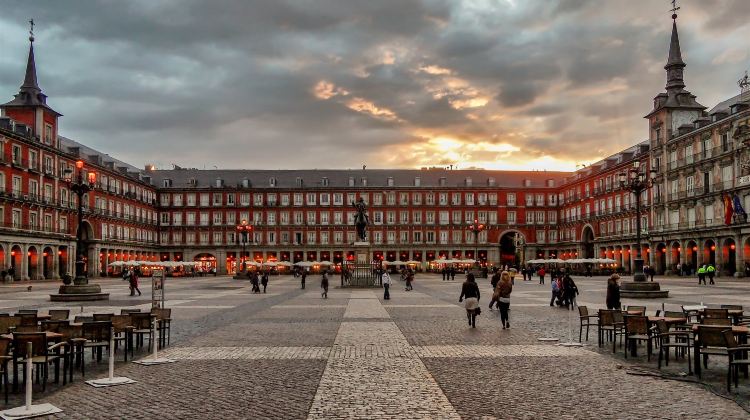
Start at Place de la Bourse, where the shallow water mirror in front of the facades turns the whole row into a second facade, and the old town opens up behind it. From there, the walk goes past Porte Cailhau and out to the Esplanade des Quinconces along the river.


Give the afternoon to the Cité du Vin, the museum that explains how the wine you will drink all week is made and labeled. Going early pays off, because every tasting after it makes more sense. If you plan two or three museum stops in the city, the Bordeaux City Pass comes in 24-, 48-, and 72-hour versions and covers transport plus discounted entry to more than 20 sites, Cité du Vin and the Musée des Beaux-Arts among them. For one museum, it does not pay. Otherwise, walk the quays at dusk and eat in the old town.

Bordeaux


Day 2: Saint-Émilion, Then a Cellar


Saint-Émilion is the village people name when asked for the prettiest town in the Bordeaux region, and it earns the reputation in the lanes rather than from any single view. Leave early, book one cellar for late morning, and keep the afternoon for walking. One estate done properly beats three done through a windscreen.


In summer, the Atlantic beaches are the alternative, with the vineyards in full leaf on the drive out. Either way, be back in the city for dinner, because day three starts with luggage.


Day 3: The Move, Then Amboise


Take the morning train or leave the rental desk by mid-morning, and treat the rest of the day as a bonus rather than a full sightseeing day. Drop bags at the Loire hotel first. Then walk up to the Château d'Amboise, which sits on the hill above the town, the siting that many of the valley's châteaux share.


Clos Lucé is the second stop in the same town, and pairing it with the château fills an afternoon without a car. If the rail day ran long, take one of the two and eat early. The Loire's still whites come from Amboise downriver to Saumur, and a glass of one with dinner is the simplest introduction to the region.


Day 4: Two Châteaux and a Cave


Chambord in the morning, Chenonceau in the afternoon, and a cellar between them if the timing allows, since most producers keep a cave carved out of the local tufa rock and tastings there are usually free with no obligation to buy. Two châteaux is the realistic ceiling for a day that also includes lunch and a drive.


If gardens matter more to you than interiors, swap Chenonceau for Villandry and give the afternoon to the grounds. If your flight home leaves from Bordeaux, day four collapses to a single château and an early departure, and you should decide that before you book the return leg.


Chenonceau

Wine Visits: How Booking Works

The two regions run their cellars on different systems, and knowing which one you are in saves a wasted afternoon. Bordeaux works on appointments and gatekeepers. The Loire works on walk-ins and cave doors left open.


Bordeaux: Book the Cellar, Not the Flight


Estates outside the city open their grounds for tours and tastings, but the good ones fill by reservation, and the region is the second-largest wine producer in the world, so there is no shortage of names competing for the same slots. Book one cellar per day and let the rest of the day stay loose. September brings the harvest, the month when the work is visible and when turning up without a booking is least likely to work.


A Bordeaux tour out of the city removes the driver question entirely, and it is the practical answer for anyone traveling alone or unwilling to rent a car for two days.

wine


The Loire: Caves, Co-ops and Free Tastings


Loire producers mostly keep a cave cut into the tufa rock, and many offer tours and tastings at no charge and no pressure to buy. Small growers often walk you around themselves, which is the closest thing the valley has to a conversation with the person who made the wine. Co-operatives cover the small appellations, and tourist offices hand out the route de vignobles, the signed drives through the vineyards. Wine festivals run through the summer months, and they are the easiest place to meet growers who ship abroad.

Châteaux Worth the Detour

The valley holds more than three hundred châteaux, and 42 of them sit inside the UNESCO site, which pulls in over three million visitors a year. You cannot see them all, and trying is how a Loire day turns into a queue. So which ones earn the drive? The ones that anchor a direction rather than a checklist.


Chambord


Chambord is the name that appears in tour titles for this part of France, and it anchors the eastern end of the château country. Give it a morning, because the rest of the day has to fit around it.

Chambord


Chenonceau


The Telegraph's 2014 list of the valley's premier châteaux includes Chinon, Chaumont, Blois, Chenonceau, Rivau, Amboise, Chambord, Villandry and Valençay. Pair Chenonceau with Chambord if you start early. Two of that size in one afternoon is a walk-through, not a visit.


Villandry


Villandry is the garden answer, and the right stop for anyone whose eyes glaze over at the third set of interior rooms. Give it a long afternoon if you like planting schemes. If you would rather spend the time on wine, keep the cellar and cut this.


Azay-le-Rideau


Azay-le-Rideau belongs to the cluster west of Tours, which makes it a natural pair with Villandry or with a bike day on the Loire à Vélo. It rewards a slower pace than the big names, and it fits an afternoon when the morning went to a tasting instead.


Chinon and Ussé


Chinon and Ussé sit in the western reaches, near the troglodyte country and the road down to Saumur, so they belong to a different day from Chambord. If your four days start to feel thin, this is the pair to add when you stretch the trip to five.


Montsoreau


Montsoreau is the one château built in the riverbed, and the one entirely given over to contemporary art, which makes it the odd stop in a valley of Renaissance stone. It suits anyone who has had enough of state beds.

Where to Stay in Each Region

Two nights in Bordeaux and two in the valley if you fly out on the morning of day five; three nights total if you leave on day four. The base you pick in the Loire decides how much of the trip you spend driving.


Bordeaux: Inside the Crescent


Stay inside the old town, close enough to walk to Place de la Bourse and the quays. The city is compact and the tram network is covered by the City Pass, so a hotel near the river saves you a car for the first two days. To have the Bordeaux half arranged, Bordeaux vacation packages bundle a hotel with the city sightseeing; the valley half still needs your own plan.


One Night in Saint-Émilion


Sleeping in the village buys you the lanes at eight in the morning, before the coaches arrive. It costs you the city's restaurants and a second hotel change, so it suits a trip of five days better than four.


The Loire: Amboise, Tours or Saumur


Amboise puts two châteaux and a river walk on your doorstep, and it sits close enough to Chambord and Chenonceau to use as a base for both. Tours is the rail hub, with TGV services from Paris and plenty of hotels, which matters if you arrive by train without a car. Saumur and Chinon sit west, closer to the caves and the troglodyte roads. A self-drive trip lives or dies on this choice; on a France tour the hotel list is already decided for you.


If you would rather not assemble the two halves yourself, Tours4fun runs multi-day France itineraries that include both regions, and the trade is simple: less flexibility, no transfer to solve.

Four Days Is the Floor, Not the Middle

4 days is about the shortest version that lets you see two wine regions properly, and it works by keeping the plan thin. Two nights in Bordeaux, a move on the third morning, and one full day of châteaux in the Loire. Anything added to that has to come out of something else.


Cut to three days and drop a region rather than squeezing both. Keep Bordeaux if you want a walkable city with a village and a cellar behind it. Keep the Loire if the châteaux are the reason for the trip, and come from Paris by train instead of crossing the country twice.


Stretch to five, and the trip improves out of proportion to the extra day: a night in Saint-Émilion, Chinon and Ussé in the west, an afternoon on the Loire à Vélo with a bike rented in town. The first things to cut are the second château on day four and the beach detour in summer. Neither is worth a rushed transfer.

FAQ

How do you get from Bordeaux to the Loire Valley?

By train, which means the Paris connection, or by car, which puts the stops and the timing in your hands. Rail is easier on luggage; driving is easier on the château-to-château legs once you arrive.

How far is Bordeaux from the Loire Valley?

It depends where you stop. The valley is a long east-west stretch rather than a single town, so the base you pick decides how much of the day the move takes.

Is four days enough for both regions?

For two days each, yes, if you accept one travel morning. It is not enough for a relaxed pace, a beach day and a full château list at the same time.

Should you start in Bordeaux or in the Loire?

Start in Bordeaux if you fly into Bordeaux. Start in the Loire if you land in Paris, and put the rail leg at the start of the trip rather than the end.

Do you need to book wine tastings ahead?

In Bordeaux, yes for any estate you have picked by name. In the Loire, many caves take walk-ins and pour free, so booking matters less outside harvest and festival weekends.