Melbourne Travel Guide
Melbourne blends hidden laneways, world-class coffee, vivid street art, major sporting events, and a deep creative scene that earns it a reputation as the sports and cultural capital of Australia. A Melbourne city tour can start at Federation Square, continue through the Royal Botanic Gardens, and use the city as a gateway to the dramatic cliffs and coastal scenery of the Great Ocean Road.
Best Time to Travel to Melbourne
The best time to travel to Melbourne is during autumn (March to May) or spring (September to November), when mild temperatures, colorful parks, and manageable crowds make it comfortable to explore the city and take regional excursions. Melbourne's famously changeable weather means it is wise to pack layers in every season.
Summer (December to February) brings long daylight hours and warm conditions that suit outdoor dining, beach visits, and events such as the Australian Open. It is also a popular period for Great Ocean Road tours and Phillip Island wildlife trips, so reserve accommodation and guided day tours early.
Autumn is ideal for strolling through Fitzroy Gardens, exploring the Yarra Valley, and enjoying Melbourne's food and wine calendar without the height of summer demand. Winter (June to August) is cooler and can be rainy, but indoor attractions, galleries, cafés, and sporting fixtures keep the city lively. Winter is a good choice for travelers who prefer lower prices and fewer visitors. Spring adds fresh blooms to the Royal Botanic Gardens and brings comfortable conditions for markets, walking tours, and coastal sightseeing.
Things to Do in Melbourne
Exploring Melbourne's laneways is one of the city's signature experiences. Walk through Hosier Lane to see frequently changing murals, then continue to AC/DC Lane, Centre Place, and the arcades around Block Arcade and Royal Arcade. The compact central grid is easy to explore on foot, and a guided walking tour can add context about the artists, architecture, and local history.
Coffee is part of everyday life here rather than a quick stop between attractions. Try a flat white in a hidden café in the CBD, Carlton, Fitzroy, or Collingwood, and pair it with brunch or a pastry. For a broader taste of local culture, browse Queen Victoria Market for produce, street food, souvenirs, and seasonal specialties. South Melbourne Market and Prahran Market offer more neighborhood-focused alternatives.
Melbourne is also the place to attend a match. Watch Australian rules football at the Melbourne Cricket Ground, catch tennis at the Australian Open in January, or check the calendar for cricket, rugby, and motorsport events. Art lovers can visit the National Gallery of Victoria and the Australian Centre for the Moving Image, while families may prefer SEA LIFE Melbourne Aquarium or the Melbourne Museum. After dark, dine in Chinatown, explore the bars of the city center, or catch live music in Fitzroy. These varied things to do in Melbourne, Australia make it easy to build an itinerary around food, culture, sport, and neighborhoods.
Day Trips from Melbourne
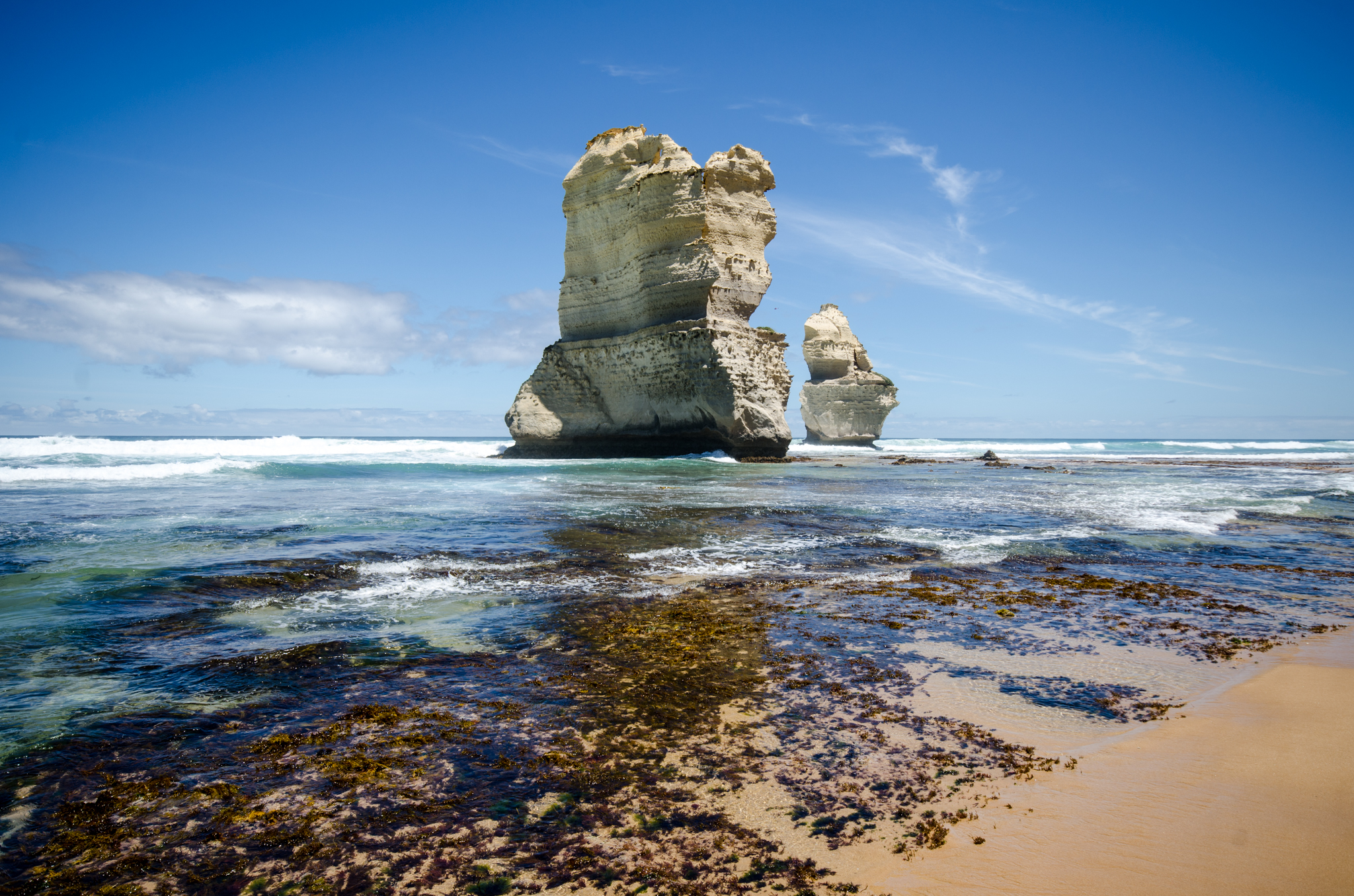
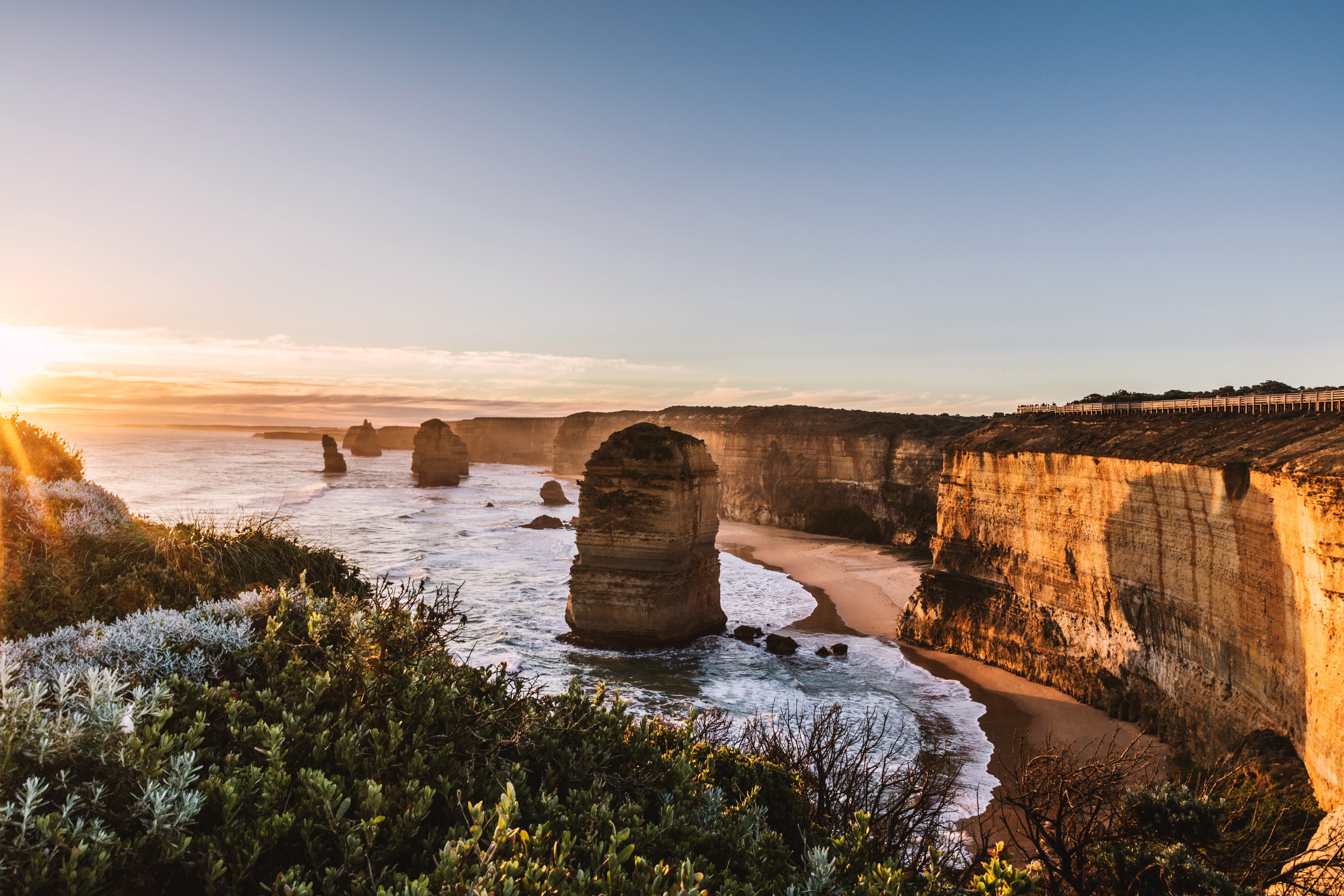
Great Ocean Road is the classic choice for day trips from Melbourne. The coastal route passes surf beaches, rainforest, seaside towns, and the Twelve Apostles limestone stacks. A full-day guided tour usually combines viewpoints such as Loch Ard Gorge and the Great Otway National Park with hotel pickup or a convenient central meeting point. Depart early to make the most of the long route.
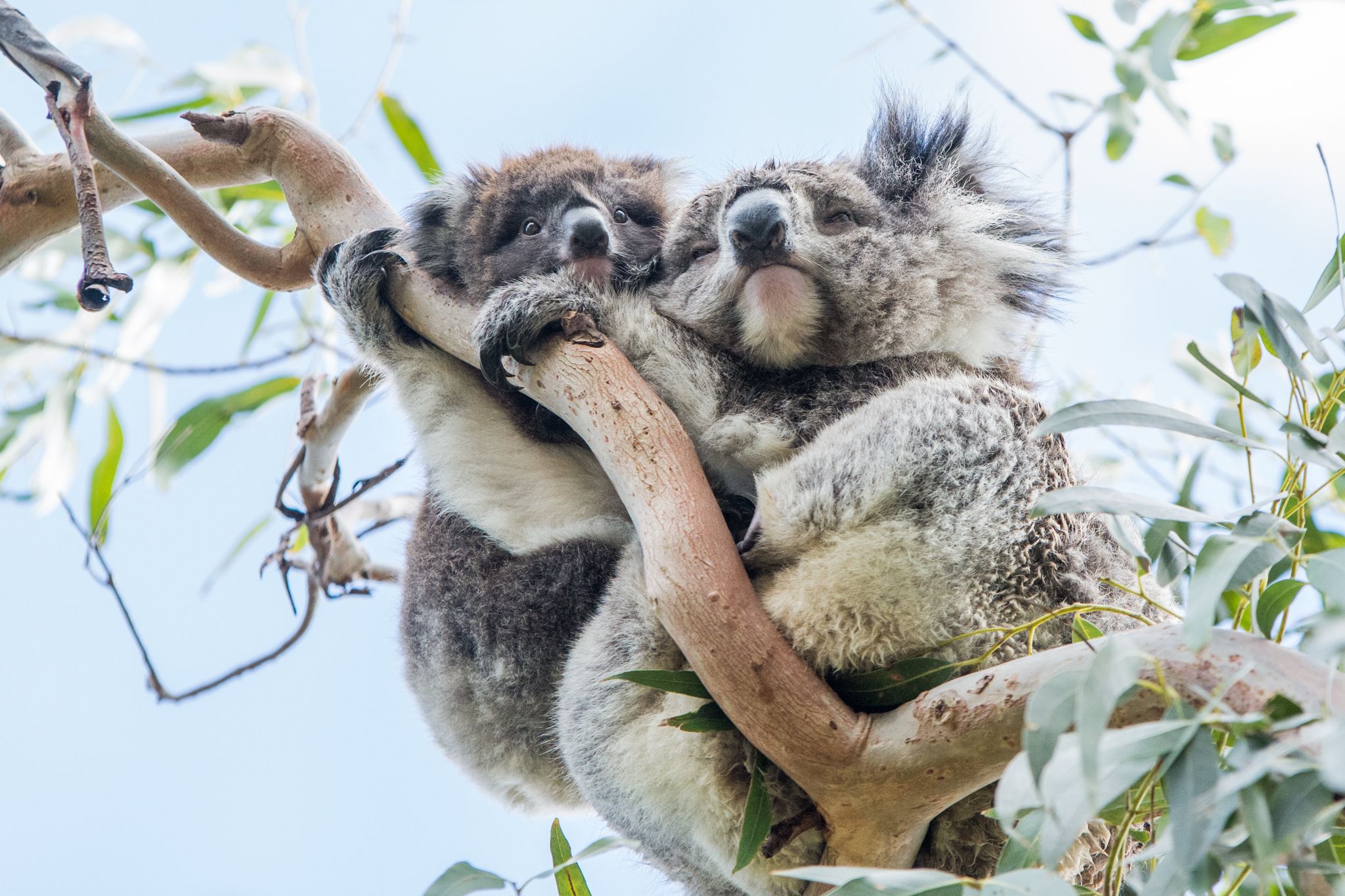
Phillip Island is another popular excursion, especially for wildlife lovers. Visit the Koala Conservation Reserve, look for Australian fur seals, and watch little penguins return to shore at the Penguin Parade around sunset. Tours that include the island often combine wildlife stops with the colorful Brighton Beach bathing boxes or a visit to Churchill Island.
The Yarra Valley is close enough for a relaxed food-and-wine day. Sample cool-climate wines at cellar doors, enjoy regional produce, and add a stop at Healesville Sanctuary if you want to see native animals. The Mornington Peninsula offers wineries, farm-gate food, beaches, and hot springs, while the Dandenong Ranges provide fern forests, village cafés, and the historic Puffing Billy Railway. Top Attractions in Melbourne
Federation Square is a natural starting point for Melbourne sightseeing. Its distinctive architecture faces the Yarra River and sits beside ACMI, the Ian Potter Centre, restaurants, and the city visitor hub. From here, it is a short walk to Flinders Street Station, whose iconic dome and clock tower are among the most recognizable sights in Melbourne.
The Royal Botanic Gardens offer a calm contrast to the CBD. Follow the lakeside paths, look for native birds, and allow time for the Australian native plant collections. Nearby, the Shrine of Remembrance provides city views and a reflective historical visit.
The Royal Exhibition Building and Melbourne Museum anchor the Carlton Gardens and explain why the city is regarded as a cultural capital. Melbourne Cricket Ground is essential for sports fans, whether you attend a game or join a behind-the-scenes tour. Queen Victoria Market is the city's best-known market for food, shopping, and local atmosphere.
Other Melbourne tourist attractions include the National Gallery of Victoria, St Kilda Beach, Luna Park, the State Library Victoria, and the historic arcades in the CBD. Group attractions by neighborhood to spend less time crossing the city and more time enjoying each area.
How to Get Around Melbourne
Melbourne's CBD is compact and walkable, with many attractions connected by pedestrian streets, arcades, and riverside paths. The Free Tram Zone covers much of the central city, making trams useful for moving between Federation Square, Flinders Street, Queen Victoria Market, the Docklands, and Parliament House without an additional fare inside the zone. Check the current boundaries and payment rules before boarding.
Outside the central zone, metropolitan trams, trains, and buses use the myki system. Trains are useful for longer cross-city journeys, while trams are convenient for neighborhoods such as St Kilda, Carlton, Fitzroy, and Richmond. Rideshare services and taxis fill gaps late at night or when carrying luggage.
A rental car is helpful for independent exploration of the Yarra Valley, Mornington Peninsula, or Great Ocean Road, but city parking can be expensive, and traffic is heaviest during weekday commuting hours. For visitors who want to enjoy wine tastings or avoid a long drive, guided Tours4Fun excursions provide an efficient alternative with organized transportation.
Melbourne Travel Tips
Pack for four seasons in one day. A light waterproof jacket, comfortable walking shoes, sunscreen, and a compact umbrella are useful even when the morning forecast looks clear. Apply sunscreen during coastal day trips, where wind can make the sun feel less intense than it is.
Plan by neighborhood rather than trying to see every landmark in one day. Combine Federation Square, Flinders Street Station, the NGV, and the Royal Botanic Gardens on one city-center outing, then reserve separate time for Carlton, Fitzroy, St Kilda, or the Docklands. Book major events, popular restaurants, and wildlife experiences ahead during peak periods.
Australia uses the Australian dollar and card payments are widely accepted, although markets and small cafés may have minimum purchase rules. English is the main language, and tipping is optional rather than mandatory. Check visa and entry requirements for your nationality before booking flights, and confirm tour pickup details and luggage limits before a regional excursion.
Allow extra time for major day trips. The Great Ocean Road is scenic but long, and traffic near popular lookouts can slow the return journey. Wear shoes with good grip for coastal paths, keep valuables secure at crowded markets, and carry water on warm walking days. If you are visiting with children, museums, the aquarium, Queen Victoria Market, and the penguin viewing experience offer easy variety between outdoor activities.



 Tour Code: 676593
 Start CityMelbourne
 End CityMelbourne
 Duration10 Hours
 LanguagesEnglish Live
 Tour Code: 672618
 Tour Code: 672606
 Tour Code: 499702
 Tour Code: 672621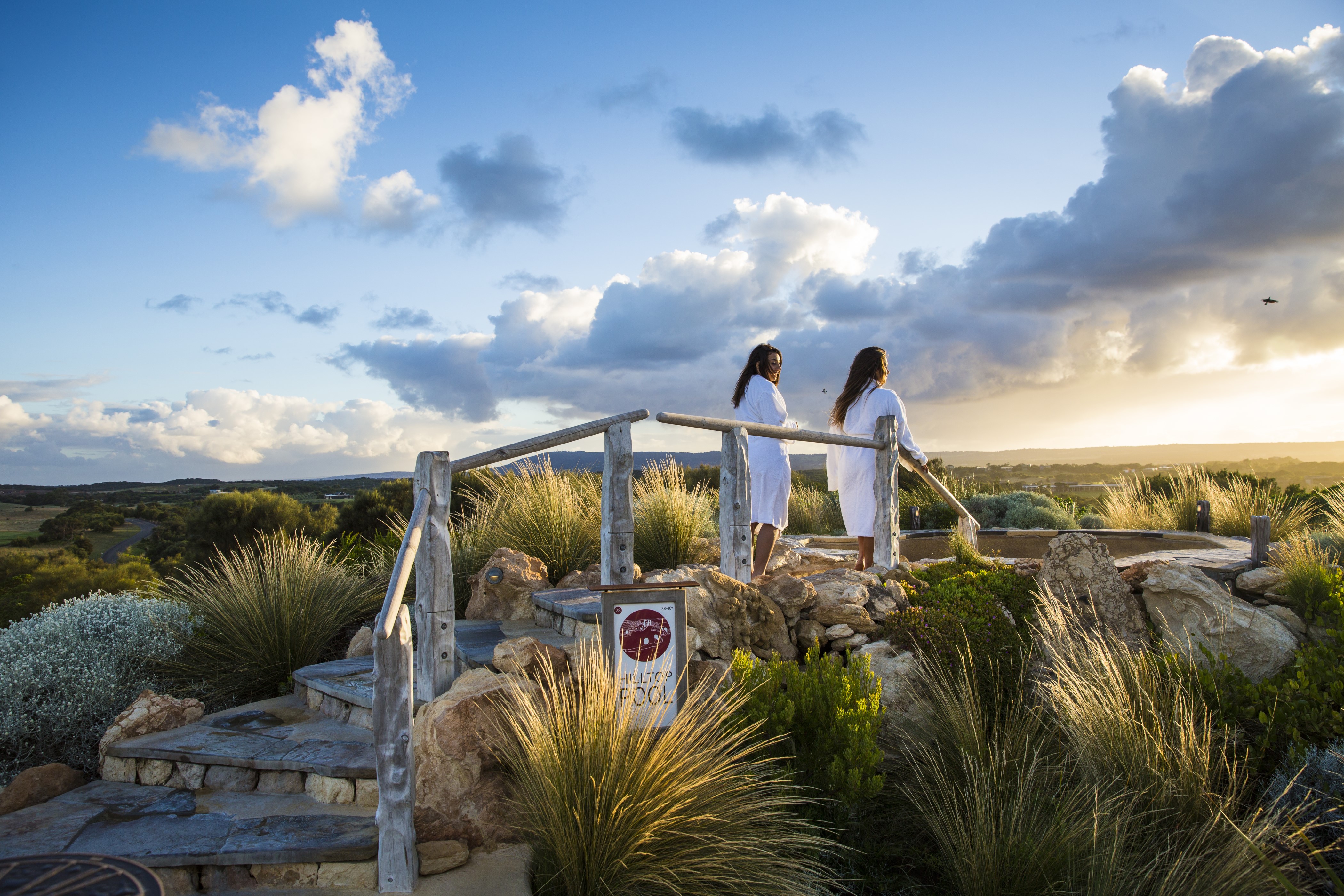
 Tour Code: 672537
 Tour Code: 712581
 Tour Code: 672603


