Kenya Adventures
Kenya is East Africa's premier safari destination, home to the world-famous Masai Mara, Amboseli National Park with views of Mount Kilimanjaro, and diverse landscapes from savannas to mountains to coastline. This country offers unparalleled wildlife viewing, from the Great Migration to the Big Five, plus opportunities to experience Maasai culture and relax on Indian Ocean beaches. Visitors can witness millions of wildebeest crossing the Mara River, spot elephants against the backdrop of Kilimanjaro, and explore the vibrant city of Nairobi. Best Time to Visit Kenya
The best time to visit Kenya is during the dry season from July to October, when wildlife viewing is at its peak and animals gather around waterholes. The Great Migration in the Masai Mara typically occurs from July to October, with dramatic river crossings. The short dry season from January to February is also excellent for safaris, with fewer crowds and calving season. The long rains from March to May can make roads impassable, and some lodges close. The short rains from November to December bring brief afternoon showers but lush landscapes and good birdwatching.
Kenya Trip Itinerary
A well-rounded Kenya trip itinerary should allow at least 7 to 10 days to experience the country's diverse attractions. Here is a recommended 10-day route:
Day 1: Arrive in Nairobi, visit the David Sheldrick Elephant Orphanage and Giraffe Centre.
Day 2-3: Amboseli National Park. Spot large elephant herds with views of Mount Kilimanjaro.
Day 4-5: Lake Nakuru National Park. See flamingos, rhinos, and other wildlife.
Day 6-8: Masai Mara National Reserve. Experience the Great Migration and Big Five viewing.
Day 9: Return to Nairobi or visit a Maasai village for a cultural experience.
Day 10: Depart or extend with beach time at Diani Beach or the Kenyan coast.
For climbers attempting Mount Kenya, add 4-5 days for the trek. The Sirimon and Chogoria routes are most scenic.
Top Cities to Visit in Kenya
Nairobi is the capital and largest city, serving as the gateway to Kenya's safari circuit. The city features the Nairobi National Park, David Sheldrick Elephant Orphanage, and Giraffe Centre.
Mombasa is the coastal city and main port, featuring historic Old Town, Fort Jesus, and access to beach resorts. Kisumu is located on Lake Victoria and offers access to hippo pools and birdwatching.
Nakuru is known for Lake Nakuru National Park with its flamingos and rhinos. Eldoret is a highland town and gateway to Mount Elgon. Top Attractions in Kenya
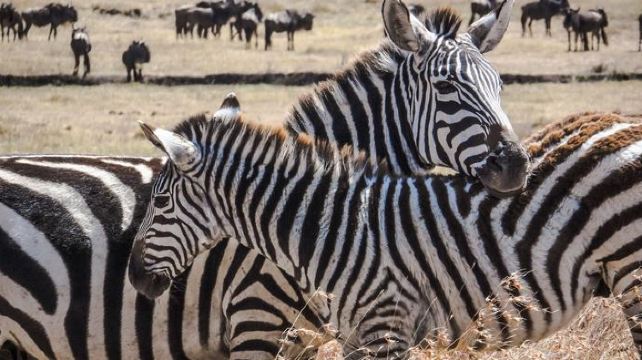
- The Masai Mara National Reserve is Kenya's most famous attraction, known for the Great Migration, where over 1.5 million wildebeest and zebra cross the plains from July to October.
- Amboseli National Park offers spectacular views of Mount Kilimanjaro and large elephant herds. Lake Nakuru National Park is famous for its flamingo-filled soda lake and rhino sanctuary.
- Mount Kenya, Africa's second-highest peak at 5,199 meters, attracts climbers and trekkers.
- Nairobi National Park is unique as a wildlife park within a capital city, offering game drives with a city skyline backdrop.
- The Maasai villages offer cultural experiences and insights into traditional pastoral life.
- Diani Beach on the Indian Ocean coast provides white sand beaches and snorkeling opportunities.
Kenya Trip Cost
A trip to Kenya can range from budget camping safaris at -150 per day to luxury lodge safaris costing -1000+ per day. Park fees in Kenya range from -80 per person per day for major parks like Masai Mara and Amboseli. International flights to Nairobi typically range from -1500 from Europe or North America—mid-range safaris with comfortable lodges and shared transport average -400 per day. Cultural experiences and village visits typically cost -50. Tours4Fun offers guided Kenya packages that bundle safari drives, accommodation, park fees, and transport at competitive prices.
Is It Safe to Travel to Kenya?
Yes, Kenya is generally safe for tourists in the main safari circuits and tourist areas, and millions visit each year without incident. The Masai Mara, Amboseli, and other national parks are well-established and secure. However, travelers should take normal precautions: avoid walking alone at night in cities, keep valuables secure, and use reputable tour operators. Petty crime like pickpocketing can occur in Nairobi and other urban areas. Some border regions near Somalia and South Sudan should be avoided due to security concerns. Health precautions are important: take malaria prophylaxis, drink only bottled water, and ensure routine vaccinations are up to date. Overall, Kenya is a welcoming destination with a strong tourism infrastructure and friendly people.
Kenya Transportation Guide
International flights connect to Jomo Kenyatta International Airport (NBO) in Nairobi. Domestic flights link major cities and safari destinations; airlines like SafariLink and AirKenya serve the safari circuit. Safari vehicles are typically 4x4 Land Cruisers or Land Rovers with pop-up roofs for game viewing. For longer distances, domestic flights are faster and more comfortable than road travel. Road travel between parks can be long and bumpy, so fly-in safaris are popular for comfort. Within Nairobi, ride-hailing apps like Bolt and Uber are available.
Travel Tips
Book safaris well in advance, especially during peak season from July to October. Malaria prophylaxis is recommended; consult your doctor before travel. Yellow fever vaccination is not required but recommended. Pack neutral-colored clothing for safaris, binoculars, and a good camera with a zoom lens. Respect Maasai culture and ask permission before photographing people. Tipping guides and lodge staff is customary (-20 per day). Stay hydrated and protect against sun exposure. Consider combining a safari with beach time at the Kenyan coast for a complete Kenya experience.



 3 Results