Nepal Travel Guide
Nepal, home to eight of the world's ten highest peaks, including Mount Everest, offers travelers an extraordinary combination of Himalayan adventure, ancient Hindu and Buddhist temples, and diverse cultures. From Kathmandu's medieval Durbar Squares to the Everest Base Camp trek, this landlocked Himalayan nation combines spiritual depth with outdoor thrills in ways that inspire every visitor.
Best Time to Travel to Nepal
The best time to travel to Nepal is during autumn (October to November) and spring (March to May), when clear skies, moderate temperatures, and stable weather create ideal conditions for both trekking and cultural sightseeing.
Autumn (October to November) brings the clearest skies and most stable weather, with daytime temperatures of 50-68°F (10-20°C) in Kathmandu and comfortable trekking conditions at higher elevations. This is peak trekking season for Everest Base Camp and Annapurna Circuit, with mountain views at their best. The festivals of Dashain and Tihar (Nepal's biggest holidays) occur during this period, offering cultural experiences but also making accommodations scarce.
Spring (March to May) offers warm temperatures of 59-77°F (15-25°C) and blooming rhododendrons (Nepal's national flower) covering hillsides in red, pink, and white. This is the second-best trekking season, though afternoon clouds can obscure mountain views. The weather remains stable for most activities, and wildlife spotting in national parks is excellent as animals become active.
Summer/Monsoon (June to September) brings heavy rainfall, particularly to southern Nepal and lower elevations. Trekking trails become slippery and leech-infested, though the rain-shadow areas of Mustang and Dolpo remain dry. This is low season with fewer tourists and lower prices, but mountain views are often obscured by clouds.
Winter (December to February) is cold with temperatures dropping below freezing at higher elevations. Kathmandu experiences cool, dry weather at 37-68°F (3-20°C). Lower elevation treks like Ghoreni and Poon Hill remain accessible, though high passes may be snow-covered. This is an excellent time for cultural sightseeing without crowds
Is Nepal Safe to Travel?
Yes, Nepal is generally safe for tourists, but visitors should exercise caution due to infrastructure challenges, altitude risks, and occasional political instability. The country welcomes trekkers and cultural tourists annually, but travelers should prepare appropriately and follow safety guidelines.
General Safety
Tourist areas in Kathmandu, Pokhara, and trekking routes are generally safe with visible police presence. Violent crime against tourists is rare, though petty theft like pickpocketing occurs in crowded areas and on public transport. The 2015 earthquake damaged infrastructure, though major tourist areas have recovered.
Common Tourist Concerns
Kathmandu's Durbar Squares and major temples are safe, but watch your belongings in crowded areas. When trekking, stay on marked trails and follow guide instructions. Altitude sickness is the primary risk above 8,000 feet; proper acclimatization is essential. Carry travel insurance covering emergency helicopter evacuation.
Regional Considerations
Most tourist destinations, including Kathmandu Valley, Pokhara, Chitwan, and major trekking routes, are safe. However, avoid remote border regions near Tibet and southern Terai areas near the Indian border due to occasional political unrest. Check current travel advisories before travel.
Transportation Safety
Nepal's roads can be narrow, winding, and poorly maintained. Domestic flights have occasional delays and cancellations due to weather. Mountain flights to Lukla are considered risky; consider helicopter alternatives. Tourist buses are safer than local buses. Use reputable transportation companies.
Solo Travel Considerations
Nepal is safe for solo travelers, though women traveling alone may experience unwanted attention in rural areas. Trekking alone is not recommended; hire a guide or join a group. Standard precautions apply: avoid walking alone late at night in unfamiliar areas and keep valuables secure.
Travel Destinations in Nepal
Kathmandu
Nepal's capital and largest city sits in a valley surrounded by hills, featuring seven UNESCO World Heritage sites within the metropolitan area. The three Durbar Squares (Kathmandu, Patan, Bhaktapur) showcase Newari architecture with intricate wood carvings and temples. The city appeals to culture enthusiasts, history buffs, and travelers interested in Hindu and Buddhist traditions.
Patan (Lalitpur)
This ancient city across the Bagmati River from Kathmandu features the most refined Durbar Square with exceptional Newari architecture. Patan is known for traditional metalwork and art schools. The city appeals to art lovers, architecture enthusiasts, and travelers seeking a quieter alternative to Kathmandu.
Bhaktapur
This medieval city preserves traditional Newari culture with its pottery squares, traditional dress, and intact Durbar Square. The city's 15th-century palace and 55-window palace showcase exceptional wood carving. Bhaktapur appeals to photographers, culture enthusiasts, and travelers seeking authentic traditional experiences.
Pokhara
This lakeside city serves as the gateway to the Annapurna trekking region. Phewa Lake offers boat rides with mountain reflections, while the city provides restaurants, gear shops, and relaxation after treks. Pokhara appeals to trekkers, adventure sports enthusiasts, and travelers seeking mountain views with urban amenities.
Namche Bazaar
This Sherpa town in the Everest region serves as the main stop for Everest Base Camp trekkers. At 11,290 feet, it features markets, monasteries, and acclimatization opportunities. The town appeals to trekkers and those interested in Sherpa culture. Nepal Travel Itinerary
A well-rounded Nepal travel itinerary should allow at least 10 to 14 days to experience Kathmandu Valley, one major trek, and wildlife viewing. A longer trip can include multiple treks, extended cultural exploration, or rafting adventures.
10-Day Nepal Itinerary
Day 1-3: Kathmandu
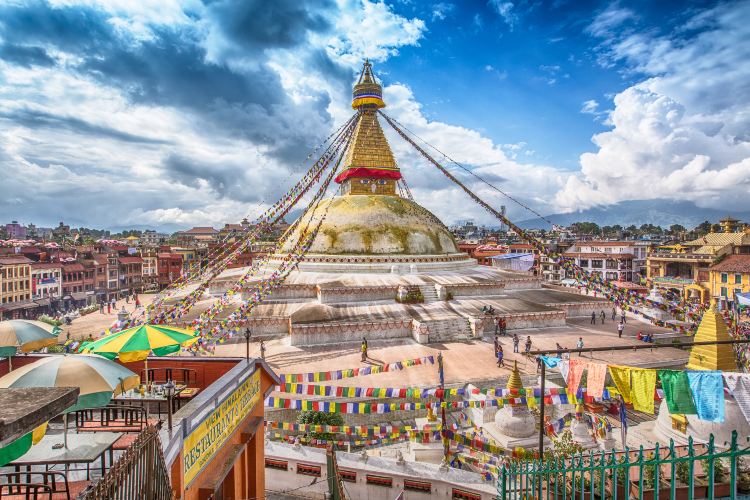
Explore the three Durbar Squares: Kathmandu, Patan, and Bhaktapur, each showcasing Newari architecture and temples. Visit Swayambhunath (Monkey Temple) and Boudhanath Stupa, two important Buddhist sites. Explore Thamel district for gear shopping and restaurants. Visit Pashupatinath Temple, Hinduism's most sacred site in Nepal.
Day 4: Pokhara
Fly or drive to Pokhara (25-minute flight or 6-7 hour drive). Relax by Phewa Lake with views of the Annapurna range. Visit the International Mountain Museum and Davis Falls. Prepare for trekking with final gear checks.
Day 5-8: Annapurna Base Camp Trek or Poon Hill Trek
For experienced trekkers: Annapurna Base Camp trek (7-10 days round trip) reaches 13,550 feet with panoramic mountain views. For shorter option: Poon Hill trek (4-5 days) offers sunrise views from 10,700 feet without requiring high altitude acclimatization.
Day 9: Chitwan National Park
Fly or drive to Chitwan (25-minute flight or 4-5 hour drive). Explore the subtropical jungle on elephant-back safari or jeep tours. Spot one-horned rhinoceros, Bengal tigers, and over 500 bird species. Experience Tharu cultural performances.
Day 10: Return to Kathmandu
Morning jungle activities in Chitwan. Fly back to Kathmandu. Final shopping in Thamel for souvenirs and trekking gear. Evening farewell dinner with traditional Nepali cuisine.
How Many Days Do You Need in Nepal?
For a first trip to Nepal, 7-10 days allows you to explore Kathmandu Valley thoroughly and complete a shorter trek like Poon Hill or visit Chitwan National Park. This duration gives you time to experience Kathmandu's UNESCO sites, enjoy mountain views, and witness Nepal's cultural heritage.
If you want to complete a major trek like Annapurna Base Camp or Everest Base Camp, plan for 12-16 days. This provides time for proper acclimatization and reaching high-altitude destinations safely. Extended trips of three weeks or more allow you to complete multiple treks, explore remote regions, or combine Nepal with neighboring India or Tibet.
Nepal Transportation Guide
Nepal's mountainous terrain makes transportation challenging, but several options connect major destinations.
Traveling Between Cities
Domestic flights connect Kathmandu with Pokhara, Lukla (Everest region), Bharatpur (Chitwan), and other destinations. Flight times are short (25-45 minutes), but weather delays are common, especially in mountain regions. Tourist buses through companies like Green Line and Baba Tourist provide comfortable connections between major cities. Local buses are cheaper but less comfortable.
For Nepal tours covering multiple regions, renting a car with a driver is recommended over self-driving, as mountain roads can be narrow and dangerous. Drivers know local conditions and handle navigation. For trekking regions, flights to Lukla or road transport to trek starting points are necessary.
Within Kathmandu
Kathmandu's traffic is congested, making taxis and ride-hailing apps like Pathao and Indriver the best options. The city's main attractions are spread out, requiring motorized transport. Walking is practical within specific areas like Thamel or Durbar Squares, but distances between sites require vehicles.
In Pokhara and smaller towns, walking remains the best way to explore compact centers. Local buses and taxis connect attractions within cities. For trekking, organized tours provide transportation to trailheads and arrange returns.
Nepal Travel Tips
Currency: Nepal uses the Nepalese rupee (NPR or Rs). Credit cards are accepted in hotels and upscale restaurants in Kathmandu and Pokhara, but carry cash for smaller establishments, markets, and rural areas. ATMs are available in cities but may charge fees for foreign cards.
Language: Nepali is the official language. English is widely understood in tourist areas, hotels, and by educated Nepalis. Learning basic Nepali phrases like 'namaste' (hello) and 'dhanyabad' (thank you) is appreciated.
Altitude Sickness: Above 8,000 feet, altitude sickness is a real risk. Ascend gradually, allowing acclimatization days. Stay hydrated, avoid alcohol, and recognize symptoms (headache, nausea, dizziness). Descend immediately if symptoms worsen. Carry Diamox (acetazolamide) after consulting your doctor.
Trekking Permits: Most trekking regions require permits. TIMS (Trekkers' Information Management System) card costs $20. National park entry fees range from $30-50. Restricted areas like Upper Mustang require special permits costing $500+. Organized tours handle permit arrangements.
Traditional Food: Try dal bhat (lentil soup with rice, Nepal's staple food), momos (dumplings), thukpa (noodle soup), and sel roti (rice bread). Vegetarian options are abundant due to Hindu influence.