What I love about East Coast national parks is the sheer variety. You can go from shivering on a mountain top in New Hampshire to kayaking past an alligator in Florida in just a couple of days. We’ll introduce you to the best national parks in the East Coast USA, so you can plan your next trip to the East Coast.
Best 8 National Parks in the East Coast USA to Explore

What I love about East Coast national parks is the sheer variety. You can go from shivering on a mountain top in New Hampshire to kayaking past an alligator in Florida in just a couple of days. We’ll introduce you to the best national parks in the East Coast USA, so you can plan your next trip to the East Coast.
How Many National Parks Are There on the East Coast?
If you look at the national parks Eastern US maps, you’ll see the big names like Acadia and the Great Smoky Mountains. But then you have places like the New River Gorge in West Virginia, which only recently got its "National Park" title in 2021. So, the list is growing! For this guide, I’ve picked eight of the absolute best spots that offer the most bang for your buck.

Acadia National Park, Maine
Entrance Fee:
- Private Vehicle: $35 (valid for 7 days).
- Individual (Walk-in/Bicycle): $20.
- Non-US Resident Surcharge: As of 2026, international visitors without a specific pass will face a $100 surcharge at the busiest parks like Acadia.

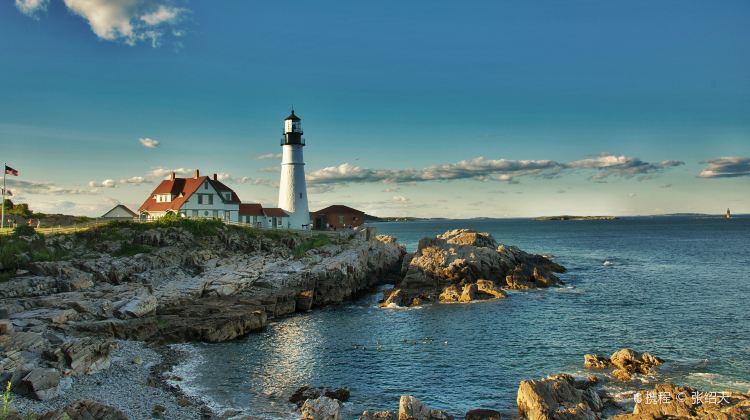
I highly recommend starting your visit at Cadillac Mountain. If you’re an early riser, this is the place to be. For much of the year, it’s the first spot in the United States to see the sunrise. Just a heads up: you’ll need a vehicle reservation for this during the busy months, so don’t just show up at 4:00 AM and expect to drive to the top.
After the sunrise, go for a walk on the Carriage Roads. These were built by John D. Rockefeller Jr. and are strictly for hikers, bikers, and horses. No cars allowed. It’s incredibly peaceful. If you want a thrill, try the Beehive Trail. It’s a steep climb with iron rungs and narrow ledges. It’s not for the faint of heart, but the view of Sand Beach from the top is something you’ll never forget.
Acadia National Park Tour

New River Gorge National Park & Preserve, West Virginia
Entrance Fee: Free! But certain activities like camping or guided tours will still have their own costs.
This site was designated a national park in 2021. Although the name includes the word “new,” it is actually home to one of the world’s oldest rivers. It’s a paradise for anyone who loves water or rock climbing. The most famous landmark here is the New River Gorge Bridge. It’s a massive steel arch that towers 876 feet above the river. If you’re there in October, you might catch "Bridge Day," where people actually BASE jump off the side. For the rest of us, the Long Point Trail offers a much safer view of the bridge from across the gorge.
If you like white-water rafting, this is your place. The river is split into two sections. The upper part is great for families and has gentler rapids, while the lower section is a wild ride with Class IV and V rapids. If you prefer to stay dry, check out the Endless Wall Trail. It follows the rim of the gorge and offers views that make you feel like you’re on top of the world.

Shenandoah National Park, Virginia
Entrance Fee
- Private Vehicle: $30.
- Individual: $15.
- Non-US Resident Surcharge: Also need another $100, for those without a Non-Resident Annual Pass.
But you really should get out of the car. The park has over 500 miles of trails, including a huge stretch of the Appalachian Trail. One of the most popular hikes is Old Rag Mountain. It’s a tough 9-mile loop that involves a lot of rock scrambling. It’s fun, but it’s a workout. If you want something easier, go for Dark Hollow Falls. It’s a short, steep walk to a beautiful waterfall.
Wildlife is a big deal here. Shenandoah has one of the highest concentrations of black bears in the country. I’ve seen them just wandering along the side of the road. Just remember to keep your distance and never, ever feed them.

Everglades National Park, Florida
Entrance Fee
- Private Vehicle: $35.
- Individual: $20.
- Non-US Resident Surcharge: $100.

The best way to see the park is by boat. You can take an airboat tour through the mangroves or rent a kayak and paddle the Hell’s Bay Canoe Trail. If you stay on land, the Anhinga Trail is a must. It’s a boardwalk that takes you right over the water. I’ve never walked that trail without seeing at least five or six alligators sunning themselves just feet away.
Note: Please avoid visiting during the rainy season, not only because of the hot and humid weather, but also because there are a lot of mosquitoes.
Everglades Airboat Day Tour

Biscayne National Park, Florida
Entrance Fee: Free to enter the park itself. But you will likely spend money on boat tours, equipment rentals, or camping fees on the islands which will be $25-$35 per night.
Located not far from Miami, 95% of Biscayne National Park lies underwater, making it a haven for snorkelers, divers, and boaters. Boca Chita Key is one of the few patches of land there, featuring grassy areas and a charming lighthouse. Since it’s only accessible by boat, it feels like a private getaway.
The park protects a massive portion of the Florida Reef, the only living coral barrier reef in the United States. You can take a boat tour out to the outer reefs to see sea turtles, colorful tropical fish, and maybe even a reef shark. If you’re into history, check out the Maritime Heritage Trail, which features several shipwrecks you can explore.

Cuyahoga Valley National Park, Ohio
Entrance Fee: Free.
You might be surprised to see Ohio on a list of national parks in the east coast, but it’s a vital part of the eastern US landscape. Cuyahoga Valley is unique because it’s tucked between the cities of Cleveland and Akron. It’s a great example of how nature can bounce back.
The star of the show here is the Cuyahoga Valley Scenic Railroad. You can hop on the train and ride through the heart of the park, which is especially beautiful in the fall. If you’re an active traveler, the Towpath Trail follows the historic route of the Ohio & Erie Canal. It’s flat, paved, and perfect for a long bike ride.
Don’t miss Brandywine Falls. It’s a 65-foot waterfall that’s easily accessible via a boardwalk. For something a bit more rugged, the Ledges Trail takes you through massive moss-covered rock formations that feel like something out of a fantasy novel.

Great Smoky Mountains National Park, Tennessee
Entrance Fee: Free to enter, but you must buy a parking tag if you plan on stopping for more than 15 minutes. It’s $5 for a day or $15 for a week.
Great Smoky Mountains National Park are the most visited national park in the country, and for good reason. The "smoke" in the name comes from the natural fog that often hangs over the mountains, giving them a mystical, blue-tinted appearance.
The biodiversity here is staggering. It’s home to thousands of species of plants and animals. If you want to see old-growth forests and historic log cabins, head to Cades Cove. It’s an 11-mile loop road that takes you through a lush valley. It’s the best place in the park to spot black bears, turkeys, and white-tailed deer.
For a view that will take your breath away, drive to the top of Clingmans Dome. At 6,643 feet, it’s the highest point in the park. There’s an observation tower that gives you a 360-degree view of the mountains. On a clear day, you can see for 100 miles. Just be prepared—it can be 20 degrees cooler at the top than it is in the valley below.

White Mountain National Forest, New Hampshire
Entrance Fee: Free to drive through. Many trailheads and picnic areas require a $5 daily pass.
Okay, I have to be honest with you. The White Mountains are technically a National Forest, not a National Park. But honestly? Most people can’t tell the difference. This area offers some of the most rugged and spectacular mountain scenery in the national parks eastern us region.
The big draw here is Mount Washington. It’s the highest peak in the Northeast and is famous for having some of the worst weather in the world. You can hike to the top, drive the Auto Road, or take the Cog Railway. Even in the middle of summer, you’ll likely need a jacket at the summit.
For a more relaxed experience, drive the Kancamagus Highway. It’s a 34-mile scenic drive that cuts through the heart of the forest. There are no gas stations or hotels on the road—just trees, mountains, and waterfalls. Stop at Lower Falls or Rocky Gorge for a quick dip in the river if the weather is warm.

Tips for Visiting National Parks
Safety Guidelines
First and foremost, respect the wildlife. Whether it’s an alligator in the Everglades or a black bear in the Smokies, these are wild animals. Keep at least 100 yards away from bears and 25 yards from everything else.Second, check the weather. In places like Acadia or Mount Washington, the weather can change in a heartbeat. I’ve seen it go from sunny and 75 to foggy and 45 in less than an hour. Always carry a rain shell and an extra layer, even if the forecast looks perfect. Also, tell someone where you’re going. Cell service is spotty at best in the mountains and deep in the mangroves.
Transportation Information
You’re probably going to need a car for most of these parks. While places like Acadia have great shuttle systems, getting to the parks usually requires your own set of wheels.If you visit the national parks on the East Coast during the summer peak season, finding parking will be very difficult. We recommend setting out early; if the park opens at dawn, try to arrive at the trailhead before 7 a.m. By 10 a.m., the parking lots are usually full.
Campground Rules
Most National Park campgrounds require reservations months in advance, especially for holiday weekends. Be sure to follow the "Leave No Trace" principles. If you pack it in, pack it out. This includes food scraps, which can attract bears. Most parks in the East have strict rules about using bear-resistant food lockers. If you’re caught leaving food out, you’re looking at a hefty fine and a potentially dangerous encounter.FAQ
Are there any national parks on the east coast of the United States?
Yes! While the West gets a lot of the glory, the East Coast is home to some incredible National Parks. From Acadia in Maine to the Everglades in Florida, there are over a dozen official National Parks and hundreds of other protected areas along the Atlantic seaboard.What is the best national park on the east coast?
If you prefer the ocean and mountains, Acadia National Park is a better fit. For those who enjoy hiking, Shenandoah offers great trails and scenery. When it comes to wildlife, the Everglades is unbeatable.What is the most visited national park on the east coast?
That would be Great Smoky Mountains National Park. It consistently draws over 12 million visitors a year. Its location, within a day's drive of over half the US population, and the fact that it doesn't charge an entrance fee make it incredibly popular.You May Also Like

Alaska Family Tour with Kids | Tours4fun Customer Story
16 Oct 2026

Canadian Rockies by Train Tours: Routes, Seasons & Tips
15 Oct 2026

New York vs Washington DC: Which Should You Visit?
15 Oct 2026
Summary
How Many National Parks Are There on the East Coast?
Acadia National Park, Maine
New River Gorge National Park & Preserve, West Virginia
Shenandoah National Park, Virginia
Everglades National Park, Florida
Biscayne National Park, Florida
Cuyahoga Valley National Park, Ohio
Great Smoky Mountains National Park, Tennessee
White Mountain National Forest, New Hampshire
Tips for Visiting National Parks
FAQ
America's 250th Anniversary Mega Sale