China's public transportation system is extensive, efficient, and surprisingly easy to use once you understand the basics. High-speed rail connects major cities at speeds up to 350 km/h, metro systems in cities like Beijing and Shanghai are modern and English-friendly, and buses cover destinations that trains do not reach. For first-time visitors, the combination of high-speed rail for long distances and metro/taxis within cities covers most travel needs. However, navigating ticketing systems, station signage, and language barriers can be challenging, which is why many first-time visitors choose guided tours that handle all transportation logistics.
China Transportation Options Compared
Here is a quick comparison of China's main public transportation options for tourists, based on speed, cost, ease of use, and best use cases.
| Transport Type | Speed | Cost | Ease of Use | Best For | Challenges |
| High-Speed Rail | Up to 350 km/h | Moderate | Moderate | City-to-city travel | Ticket booking, Chinese interface |
| Metro/Subway | Fast within cities | Very cheap | Easy | Urban exploration | Rush hour crowds |
| Public Buses | Slow | Very cheap | Difficult | Budget travel, rural areas | Chinese-only signage, routes |
| Taxis/Didi | Moderate | Moderate | Easy | Short distances, convenience | Language barrier, traffic |
| Tourist Buses | Moderate | Moderate-High | Very easy | Sightseeing routes | Limited coverage |
How is China's High-Speed Rail?
China's high-speed rail network is the world's largest and most modern, connecting over 500 cities with trains that reach speeds of 350 km/h (217 mph). For tourists traveling between major cities, high-speed rail is often the best combination of speed, comfort, and cost.
Coverage and Speed
The high-speed rail network connects all major tourist destinations: Beijing, Shanghai, Xi'an, Guilin, Chengdu, and dozens more. Travel times are remarkably fast: Beijing to Shanghai takes about 4.5 hours, compared to 2 hours by plane (plus airport time) or 12+ hours by regular train. Beijing to Xi'an takes 4-5 hours, and Shanghai to Guilin takes about 8 hours.

Ticket Classes
High-speed trains offer three main classes:- Second Class: The most popular choice, with comfortable 2+3 seating similar to airline economy. Good value for most travelers.
- First Class: 2+2 seating with more legroom and quieter cars. Worth the upgrade for longer journeys.
- Business Class: Premium seating with full recline, dedicated attendant service, and lounge access at major stations. Expensive but luxurious.
How to Buy Tickets
This is where things get tricky for foreign visitors. The official China Railway website and app are primarily in Chinese, and international credit cards often do not work. Options include:- Buying tickets at the station (requires a passport, may face language barriers)
- Using third-party booking services like Trip.com (English interface, accepts international cards)
- Having your hotel concierge book tickets (convenient but may charge a fee)
- Joining a guided tour that handles all train bookings for you
Tickets can sell out during peak travel seasons (Chinese holidays, summer), so booking in advance is essential.
At the Station
Major train stations are massive and can be overwhelming. Look for English signage (available at major stations), arrive at least 45 minutes before departure, and be prepared for security screening similar to airports. Your ticket will show the train number, departure time, car number, and seat number.How Do Metro Systems Work in Chinese Cities?
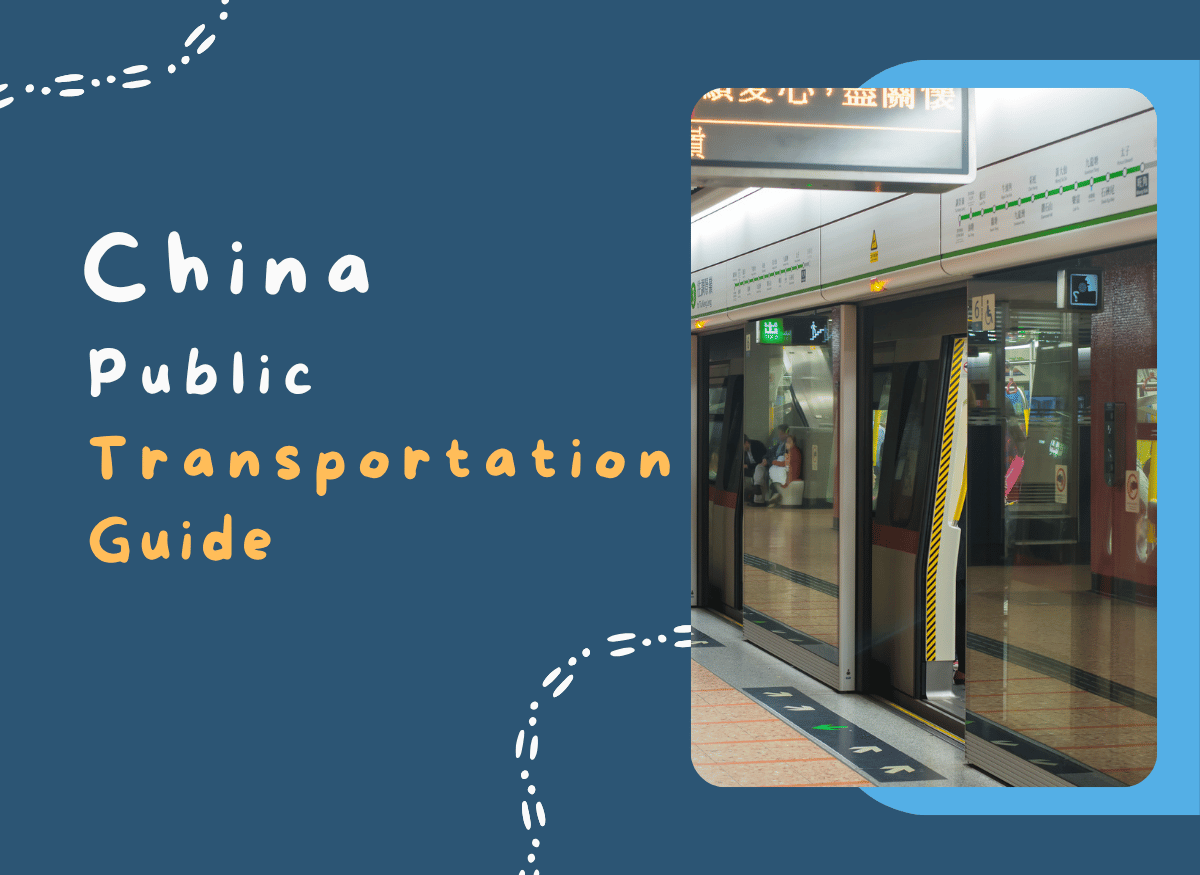
Metro systems in Beijing, Shanghai, Guangzhou, Xi'an, and other major cities are modern, efficient, and surprisingly tourist-friendly. They are the best way to get around within cities, avoiding traffic and expensive taxis.
Coverage and Convenience
Beijing's metro has over 20 lines covering most tourist attractions, including the Forbidden City, Temple of Heaven, and Summer Palace. Shanghai's metro is even more extensive, with 20+ lines reaching the Bund, Yu Garden, French Concession, and Pudong. Xi'an, Guilin, and other tourist cities also have metro systems, though smaller.Navigation for Foreigners
Most metro systems in major cities have English signage, station names in pinyin, and route maps in English. Ticket machines often have English language options. You can buy single-journey tokens or rechargeable smart cards. Some cities accept mobile payment through apps, though these may require a Chinese phone number.Cost and Hours
Metro rides are very cheap, typically costing 3-10 RMB ($0.50-$1.50) depending on distance. Trains run from around 6 AM to 11 PM, with frequent service during peak hours. Avoid rush hour (7-9 AM, 5-7 PM) if possible, as trains can be extremely crowded.What About Buses and Taxis?
Public Buses
Public buses cover destinations that metros and trains do not reach, including suburban attractions and smaller towns. However, they are challenging for foreign visitors: route information is typically in Chinese only, stops may not be announced in English, and payment systems vary by city. Unless you are an experienced traveler comfortable with language barriers, buses are best avoided for essential trips.Taxis
Taxis are widely available in all cities and are a convenient option for short distances or when metro access is limited. Most drivers do not speak English, so you will need your destination written in Chinese characters or displayed on a map app. Show the address to the driver, and they will take you there. Metered fares are reasonable, starting around 10-15 RMB and increasing by distance.Didi (China's Uber)
Didi is China's ride-hailing app, similar to Uber. It has an English interface and accepts international credit cards, making it easier than hailing taxis on the street. You can enter your destination in English, and the app provides the Chinese address to the driver. Didi is especially useful in cities where you do not have a Chinese-speaking guide or hotel concierge to help with directions.Should You Use Public Transportation or Join a Tour?
This depends on your travel style, language comfort, and itinerary complexity. Here is how to decide:
Independent Travel with Public Transportation Works If:
- You are comfortable navigating language barriers and using translation apps
- You are staying primarily in major cities with good metro systems
- You enjoy the adventure of figuring things out independently
- You have time to research routes, buy tickets, and handle logistics
- You are traveling light and can manage your own luggage on trains and metros
A Guided Tour Is Better If:
- You want to maximize sightseeing time and minimize logistics stress
- You are visiting multiple cities and want seamless transportation between them
- You prefer having a guide who handles translation, navigation, and problem-solving
- You are traveling with family or a group and want coordinated transportation
- You want insider knowledge and cultural context that a guide provides
Recommended China Tours with Transportation Included
If you prefer to leave transportation logistics to the experts, Tours4Fun offers several multi-city tours that include all high-speed rail, local transportation, and expert guides who handle navigation and translation for you.
Transportation included: High-speed rail between cities, private car and driver within cities, metro for short distances
Why this works for transportation-wary travelers: This tour handles all the complex logistics of traveling between three major Chinese cities. Your guide books the high-speed rail tickets, navigates the stations, and arranges private transportation within each city. You get the experience of China's efficient rail system without the stress of booking tickets or navigating massive stations independently.
Best of China Private Tour (8 Days)
Transportation included: High-speed rail between cities, private car and driver within cities, metro for short distances
Why this works for transportation-wary travelers: This tour handles all the complex logistics of traveling between three major Chinese cities. Your guide books the high-speed rail tickets, navigates the stations, and arranges private transportation within each city. You get the experience of China's efficient rail system without the stress of booking tickets or navigating massive stations independently.
8-Day China Golden Triangle Tour


4.9
( 42 reviews )
Tour Code: 709560Start / End City
Beijing, Shanghai
Duration
8.0 Days
City & Attractions
Beijing, Xi'an, Shanghai
+8 more
Languages
English Live
Group Size
Max. 9 travelers
Save $200.00
From $2,481.00
$2,281.00
Private China Tour from Beijing (11 Days)
Transportation included: High-speed rail, private transportation, some internal flights
Why this works for transportation-wary travelers: The extended itinerary covers more ground with all transportation arranged for you. Your guide handles the logistics of longer train journeys and any internal flights, plus provides private transportation within each city. This is ideal if you want to experience China's transportation network without the planning burden.
11-Day Private China Tour from Beijing

4.9
( 26 reviews )
Tour Code: 757368Start / End City
Beijing, Shanghai
Duration
11.0 Days
City & Attractions
Beijing, Shanghai, Xi'an
+14 more
Languages
English Live
Group Size
Max. 9 travelers
Save 30%
From $5,371.43
$3,760.00
14-Day China Tour: Beijing, Xi'an, Chengdu, Yangtze, Shanghai
Transportation included: High-speed rail, Yangtze cruise ship, private transportation
Why this works for transportation-wary travelers: This comprehensive tour combines multiple transportation types: high-speed rail, a multi-day Yangtze River cruise, and private cars. Your guide coordinates all the connections, ensuring smooth transitions between cities and transportation modes. The Yangtze cruise is particularly memorable and would be complex to arrange independently.
14-Day Private China Tour from Beijing

4.9
( 28 reviews )
Tour Code: 690222Start / End City
Beijing, Shanghai
Duration
14.0 Days
City & Attractions
Beijing, Xi'an, Zhangjiajie
+19 more
Languages
English Live
Group Size
Max. 9 travelers
Tour Audience
Primarily English-Speaking Travelers
Save 15%
From $4,841.10
$4,114.93
Practical Tips for Using China's Public Transportation
- Download offline maps and translation apps before arrival. Google Maps works in China but may have limited functionality. Apps like AMaps or Apple Maps (with Chinese language pack) are more reliable. Translation apps with camera functions help read Chinese signage.
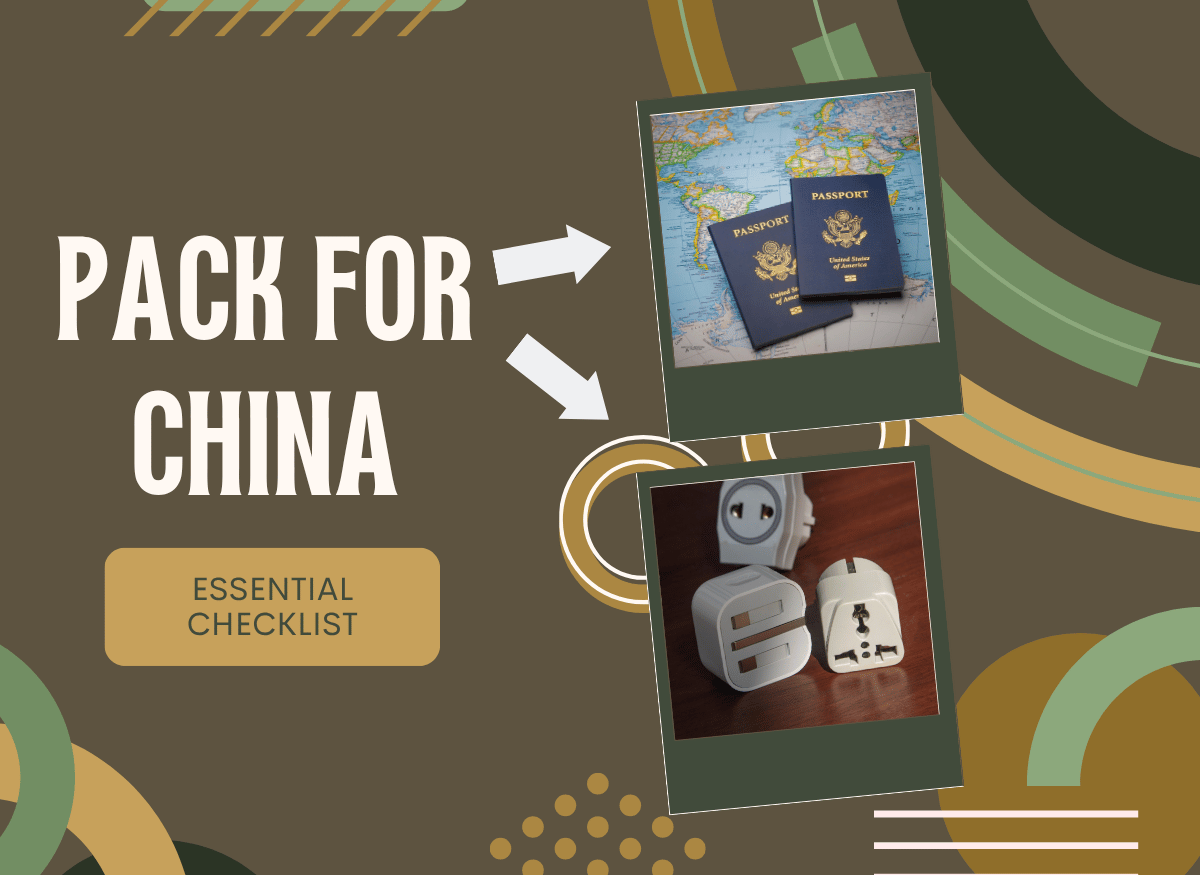
- Carry your passport when using public transportation. Train stations require passport ID for ticket purchase and boarding. Some metro systems may also require ID for certain ticket types.
- Learn basic transportation vocabulary. Knowing how to say train station (huochezhan), metro station (ditiezhan), and ticket (piao) in Mandarin helps in emergencies, even if most signage is in English at major stations.
- Avoid peak travel times if possible. Chinese public holidays (especially Golden Week in October and Chinese New Year) see massive travel crowds. Train tickets sell out weeks in advance, and stations are extremely crowded. If traveling during these periods, book tickets as early as possible.
- Use high-speed rail for distances over 300 km. For shorter distances, buses or taxis may be more convenient. For longer distances, high-speed rail is faster and more comfortable than regular trains, and often comparable to flying when you factor in airport transit time.
- Keep small bills and coins for metro tickets. While many metros accept mobile payment, having cash as backup is wise. Token machines may not accept large bills.
- Ask for help when needed. Chinese people are generally very helpful to tourists. Station staff, fellow passengers, and hotel concierges can assist with directions, ticket purchases, and translation. Do not hesitate to ask for help.
Conclusion
China's public transportation system is extensive, efficient, and increasingly tourist-friendly. High-speed rail connects major cities at remarkable speeds, metro systems provide affordable urban transportation, and taxis and ride-hailing apps fill in the gaps. With proper preparation, including offline maps, translation apps, and advance ticket bookings, independent travel using public transportation is very doable.
However, for first-time visitors who want to maximize sightseeing time and minimize logistics stress, guided tours offer significant advantages. Your guide handles all transportation bookings, navigation, and translation, letting you focus on enjoying the experience rather than figuring out how to get from point A to point B.
Whether you choose to navigate China's transportation network independently or join a guided tour, you will find that getting around is easier than you might expect.
However, for first-time visitors who want to maximize sightseeing time and minimize logistics stress, guided tours offer significant advantages. Your guide handles all transportation bookings, navigation, and translation, letting you focus on enjoying the experience rather than figuring out how to get from point A to point B.
Whether you choose to navigate China's transportation network independently or join a guided tour, you will find that getting around is easier than you might expect.