China Asia Places to Go Travel Tips

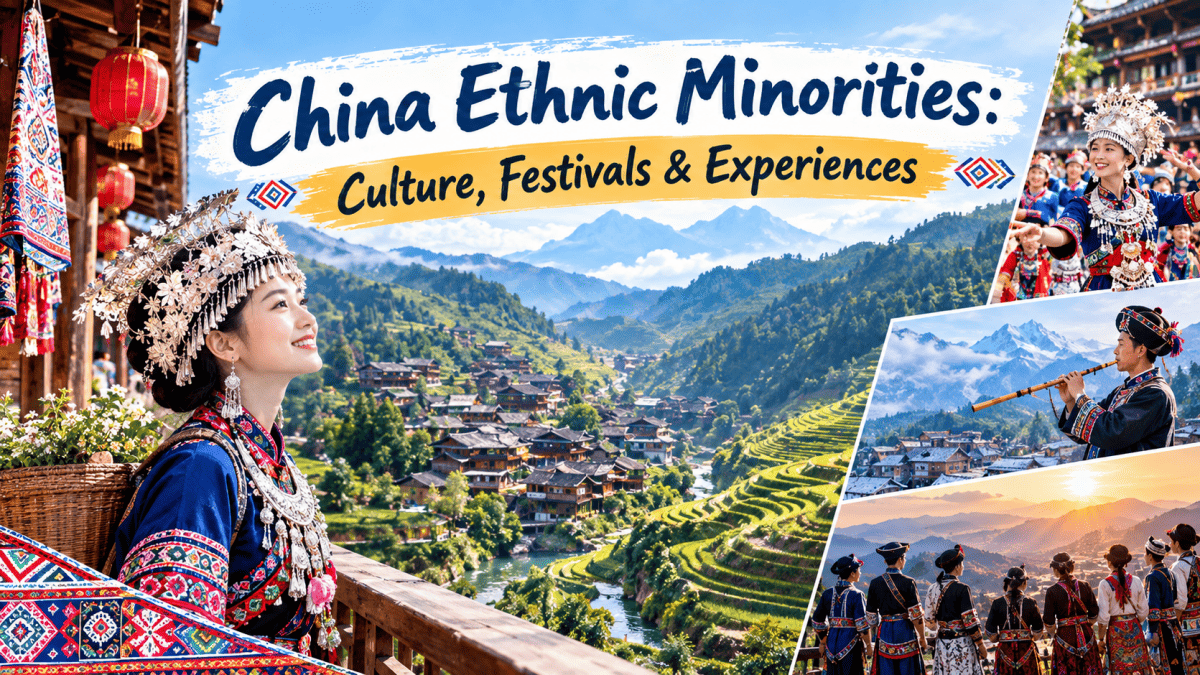
China Ethnic Minorities: Culture, Festivals & Experiences

cover

China is home to 56 officially recognized ethnic groups, with the Han majority comprising about 92% of the population. The remaining 55 ethnic minority groups, though smaller in number, contribute enormously to China's cultural diversity, creating a tapestry of traditions, languages, festivals, and customs that vary dramatically from region to region. From the colorful costumes of the Miao people to the water-splashing celebrations of the Dai, these ethnic minority groups in China offer visitors a glimpse into cultural practices that have endured for centuries.

For travelers seeking authentic cultural experiences beyond China's famous historical sites, ethnic minority regions provide some of the country's most rewarding destinations. This guide covers the major ethnic groups, their most notable festivals, and how you can respectfully experience these living traditions.

Understanding China's Ethnic Minorities

Geographic Distribution


Ethnic minorities in China primarily inhabit the border regions and southwestern provinces. Yunnan province alone is home to 25 different ethnic groups, making it China's most ethnically diverse region. Guizhou, Guangxi, Sichuan, and Tibet also host significant minority populations. These regions often feature mountainous terrain that allowed distinct cultures to develop in relative isolation.

Cultural Diversity


Each ethnic group maintains its own language (or languages), traditional clothing, architecture, music, dance, and religious practices. While many minorities have adopted aspects of Han Chinese culture, especially in urban areas, rural communities often preserve traditional ways of life. Visitors to minority villages encounter colorful markets, distinctive cuisine, and hospitality customs that differ markedly from mainstream Chinese culture.

tibet

Government Recognition and Protection


The Chinese government officially recognizes 55 ethnic minority groups and implements policies aimed at preserving their languages and cultural practices. Minority regions enjoy certain autonomous governance rights, and traditional festivals receive official support. However, modernization and Han migration have created pressure on traditional ways of life, making cultural preservation an ongoing challenge.

Major Ethnic Minority Groups and Their Cultures

Zhuang People (Guangxi)


The Zhuang represent China's largest ethnic minority group, with approximately 18 million people concentrated in Guangxi Zhuang Autonomous Region. Traditional Zhuang culture centers on rice cultivation, bronze drum craftsmanship, and polyphonic singing. Their distinctive stilted wooden houses adapt to the humid southern climate, while traditional clothing features elaborate embroidery and silver jewelry.

zhuang people

Miao/Hmong People (Guizhou, Yunnan, Hunan)


The Miao people, known as Hmong in Southeast Asia and Western countries, number about 9 million in China. They're famous for their intricate silver jewelry, cross-stitch embroidery, and distinctive pleated skirts. Miao villages often cluster in mountainous areas, with wooden stilt houses built on hillsides. The Miao maintain strong clan identities and practice animist traditions alongside Buddhism and Christianity.

miao people

Dai People (Yunnan)


The Dai people of southern Yunnan share cultural and linguistic ties with Thai and Lao populations. They practice Theravada Buddhism and celebrate the famous Water Splashing Festival each April. Dai architecture features bamboo stilt houses with steep thatched roofs, while their cuisine emphasizes sticky rice, spicy flavors, and grilled meats. Dai women traditionally wear sarongs and maintain elaborate hairstyles.

dai people

Tibetan People (Tibet, Qinghai, Sichuan, Yunnan)


Tibetan culture, with approximately 6 million people in China, centers on Vajrayana Buddhism and nomadic pastoral traditions. Monasteries serve as cultural and spiritual centers, while prayer flags, mani stones, and stupas mark the sacred landscape. Traditional Tibetan life revolves around yak herding, barley cultivation, and trade. The distinctive architecture features flat-roofed stone buildings with colorful painted details.

tibet

Uyghur People (Xinjiang)


The Uyghurs, numbering about 12 million, inhabit the Xinjiang Uyghur Autonomous Region in northwest China. They practice Sunni Islam and speak a Turkic language related to Uzbek. Uyghur culture features distinctive music (the Twelve Muqam), dance traditions, and architecture with Central Asian influences. Their cuisine includes pilaf (polo), laghman noodles, and various grilled meats, reflecting Silk Road culinary traditions.

uyghur

Yi People (Sichuan, Yunnan, Guizhou)


The Yi people, with about 8 million members, maintain one of China's oldest writing systems. Traditional Yi society operated under a complex caste system, though this has been abolished. Yi culture features distinctive black clothing with red and yellow embroidery, wooden stilt houses, and the famous Torch Festival. Their traditional religion combines animism with ancestor worship.

Festivals That Will Make You Pack Bags for China

China's ethnic minority festivals offer some of the country's most spectacular cultural experiences. These celebrations, timed according to lunar calendars or agricultural cycles, provide windows into living traditions that have endured for generations. Here are the festivals that will make you pack bags for China and experience these vibrant cultures firsthand.

Dai Water Splashing Festival (April)


The Dai people's Water Splashing Festival marks their New Year, typically falling on April 13-15. What begins as gentle blessings with fragrant water escalates into joyful street battles where everyone gets soaked. The festival includes dragon boat races, releasing sky lanterns, traditional dances, and beauty pageants. Xishuangbanna in Yunnan hosts the most famous celebrations, attracting visitors from around the world.

Water Splashing Festival

Miao Sisters' Meals Festival (March-April)


This romantic festival among the Miao people serves as a traditional matchmaking event. Young women prepare colorful rice dishes dyed with natural pigments and invite young men to share meals. The festival features elaborate silver jewelry displays, traditional singing competitions, and lusheng (pipe organ) performances. Different Miao communities celebrate on varying dates between March and April, primarily in Guizhou province.

Yi Torch Festival (June-July)


The Yi people's Torch Festival, held on the 24th day of the sixth lunar month (usually late June or July), honors fire's protective power. Villagers light massive torches and process through fields to ward off pests and evil spirits. The festival includes wrestling matches, horse racing, bullfights, and traditional singing and dancing. Liangshan in Sichuan and Chuxiong in Yunnan host particularly vibrant celebrations.

Zhuang San Yue San Festival (March)


Celebrated on the third day of the third lunar month (usually March or April), this festival honors ancestors and celebrates spring. Zhuang communities gather for antiphonal singing competitions, where young men and women exchange improvised songs. The festival features five-colored sticky rice, egg fighting competitions, and traditional sports. Guangxi's various Zhuang communities maintain distinct celebration styles.

Tibetan New Year - Losar (February-March)


Losar, the Tibetan New Year, follows the Tibetan lunar calendar and typically falls between February and March. The 15-day celebration includes monastery ceremonies, masked dances, family gatherings, and offerings to deities. The most elaborate celebrations occur in Lhasa, where monks perform sacred cham dances at monasteries. Visitors can witness traditional butter sculpture exhibitions and archery competitions.

Dong People's Grand Song Festival (Various Times)


The Dong people of Guizhou, Hunan, and Guangxi are famous for their polyphonic choir singing, recognized by UNESCO as an intangible cultural heritage. Their Grand Song Festival showcases this unique musical tradition, where multiple voice parts create complex harmonies without instrumental accompaniment. The festival also features traditional costume displays, athletic competitions, and communal feasts.

Miao Lusheng Festival (Various Times)


The Lusheng Festival celebrates the lusheng, a traditional pipe instrument central to Miao culture. Different Miao communities hold these festivals throughout the year, with major celebrations occurring in autumn after harvest. The festival features lusheng ensemble performances, traditional dances, bullfighting, and horse racing. Young people use the occasion for courtship, while elders reinforce community bonds through shared celebrations.

How to Experience Ethnic Minority Culture Respectfully

Visiting Minority Villages


Many ethnic minority villages welcome tourists, offering homestays and cultural experiences. In Guizhou, villages like Xijiang Miao Village and Zhaoxing Dong Village provide structured tourism programs. Yunnan's Dali, Lijiang, and Shangri-La regions offer access to Bai, Naxi, and Tibetan cultures. When visiting, respect local customs: ask permission before photographing people, dress modestly, and learn basic greetings in local languages when possible.

Attending Festivals


Participating in ethnic minority festivals provides unforgettable cultural immersion. Many festivals welcome outside visitors, though some ceremonies remain private. Check festival dates carefully, as they follow lunar calendars and vary annually. Arrive early to secure accommodation, as festival periods draw large crowds. Hire local guides who can explain cultural significance and help navigate etiquette. Some China vacation packages include visits to nearby ethnic minority communities in Guizhou and Hunan.

Cultural Etiquette


Respectful behavior matters enormously in minority communities. Remove shoes when entering homes or temples. Don't touch people's heads, which are considered sacred in some cultures. Ask permission before photographing religious ceremonies or sacred objects. Learn that different groups have different taboos: for example, don't step on thresholds in Tibetan homes, and avoid pointing your feet at altars. When in doubt, observe and follow local behavior.

Supporting Local Communities


Ethnic minority tourism can provide vital income while also creating pressure on traditional cultures. Support authentic experiences by hiring local guides, purchasing handicrafts directly from artisans, and staying in family-run guesthouses rather than large hotels. Avoid bargaining aggressively over handmade items, which represent significant labor. Your visit should benefit the community, not just extract cultural experiences.

Best Regions for Ethnic Minority Experiences

Yunnan Province


Yunnan hosts 25 ethnic minority groups and offers the most accessible minority cultural experiences in China. The province's tourist infrastructure makes it easy to visit Dai villages in Xishuangbanna, Bai communities around Dali, Naxi culture in Lijiang, and Tibetan areas near Shangri-La. Each region maintains distinctive architecture, cuisine, and festivals. Yunnan's mild climate allows year-round visits, though autumn offers the clearest skies and most festivals.

yunnan

Guizhou Province


Guizhou's mountainous terrain preserved numerous Miao and Dong villages that maintain traditional ways of life. The province offers more rustic experiences than Yunnan, with villages accessible only by winding mountain roads. Xijiang Miao Village, though increasingly commercialized, showcases impressive wooden architecture and elaborate silver jewelry. Zhaoxing Dong Village features distinctive drum towers and covered bridges. Guizhou's festivals tend to be less tourist-oriented than Yunnan's.

guizhou

Guangxi Zhuang Autonomous Region


Guangxi's karst landscape provides a dramatic backdrop for Zhuang culture. The Longji Rice Terraces, maintained by Zhuang and Yao communities for 700 years, offer stunning scenery and cultural insights. The region's Zhuang population preserves distinctive singing traditions, textile arts, and festival customs. Guilin and Yangshuo serve as bases for exploring minority villages in the surrounding countryside.

guilin

Sichuan and Tibetan Areas


Western Sichuan's Garze and Aba Tibetan Autonomous Prefectures offer Tibetan cultural experiences without requiring travel to the Tibet Autonomous Region, which has stricter access requirements. These areas feature impressive monasteries, traditional markets, and nomadic communities. The Yi people of Liangshan Prefecture maintain distinctive cultural practices, including their famous Torch Festival. Access to some areas requires special permits.

jiuzhaigou

Planning Your Ethnic Minority Cultural Journey

Best Time to Visit


Timing your visit around ethnic minority festivals provides the most memorable experiences. Spring (March-May) features the Dai Water Splashing Festival and various Miao celebrations. Summer (June-August) brings the Yi Torch Festival and pastoral activities in Tibetan areas. Autumn (September-November) offers harvest festivals and clear weather for village visits. Winter hosts Tibetan New Year celebrations, though some mountain areas become inaccessible.

Transportation and Access


Major minority regions connect to China's transportation network, though reaching remote villages requires additional travel. Kunming serves as the gateway to Yunnan's minority areas, with flights, trains, and buses reaching most destinations. Guiyang provides access to Guizhou's Miao and Dong villages. Nanning connects to Guangxi's Zhuang regions. Within these provinces, local buses and hired cars reach villages not served by public transportation.

Accommodation Options


Minority regions offer diverse accommodation ranging from basic village homestays to luxury boutique hotels. Homestays provide authentic cultural immersion but may lack modern amenities. Towns near major attractions offer standard hotels with comfortable facilities. Some villages have developed eco-lodges that combine traditional architecture with modern comfort. Book well in advance during festival periods when demand spikes.

Language and Communication


While Mandarin Chinese serves as the lingua franca, many minority community members, especially elders, speak only their native language. Learning basic greetings in local languages shows respect and often delights community members. Hire local guides who speak both Mandarin and their ethnic language to facilitate deeper cultural exchanges. Translation apps can help with basic communication, but face-to-face interaction works best.

Final Thought

China's ethnic minority cultures represent an extraordinary dimension of the country's heritage, offering visitors experiences that contrast sharply with the Han-dominated urban centers. From the water festivals of Xishuangbanna to the torch celebrations of Liangshan, from Miao silver jewelry to Tibetan monastery chants, these living traditions provide windows into cultural practices that have endured despite centuries of change. Tours4fun organizes guided visits to several minority regions, handling the logistics that can be challenging for independent travelers.

Visiting ethnic minority regions requires sensitivity, patience, and genuine respect for different ways of life. The rewards include memorable cultural encounters, remarkable natural scenery, and insights into human diversity that enrich your understanding of China and the world. These festivals that will make you pack bags for China create memories that last long after you return home.

For travelers interested in experiencing China's cultural diversity, well-organized China tours to ethnic minority regions can handle logistics while providing authentic cultural encounters. Whether drawn to water festivals, torch celebrations, or traditional village life, guided experiences offer valuable context and local insights that independent travel might miss.


FAQ

How many ethnic minority groups are there in China?

China officially recognizes 55 ethnic minority groups in addition to the Han majority, totaling 56 ethnic groups. The largest minorities include Zhuang (18 million), Uyghur (12 million), Miao (9 million), Yi (8 million), and Tujia (8 million). Some groups number only a few thousand members. This classification system was established in the 1950s after extensive ethnographic research.

Which ethnic minority regions are easiest for tourists to visit?

Spring (March-May) features the Dai Water Splashing Festival (mid-April) and various Miao celebrations. Summer (June-August) brings the Yi Torch Festival (late June or July). Autumn offers harvest festivals across multiple groups. Winter includes Tibetan New Year celebrations and Dong folk song competitions. Pre-booked China vacation packages timed to these festivals often include special access to ceremonies and expert guides who can explain cultural significance.

When is the best time to experience ethnic minority festivals?

Spring (March-May) features the Dai Water Splashing Festival (mid-April) and various Miao celebrations. Summer (June-August) brings the Yi Torch Festival (late June or July). Autumn offers harvest festivals across multiple groups. Winter includes Tibetan New Year (Losar, February-March). Check specific festival dates annually, as they follow lunar calendars and vary each year. Book accommodation well in advance for popular festivals.

Is it respectful for tourists to attend ethnic minority festivals?

Yes, most ethnic minority festivals welcome respectful tourists. However, some ceremonies remain private or sacred. Always ask permission before photographing people or religious activities. Follow local customs regarding dress and behavior. Hire local guides who can explain appropriate conduct and cultural significance. Your presence should support the community economically while showing genuine respect for their traditions.

Can I stay in ethnic minority villages?

While Chongqing itself is predominantly Han Chinese, nearby areas in Guizhou and Hunan provinces host significant Miao, Tujia, and Dong populations. Travelers on Chongqing vacation packages often include day trips or multi-day excursions to ethnic minority villages in these neighboring regions, providing convenient access to authentic cultural experiences without extensive independent travel arrangements.