Wellington Travel Guide
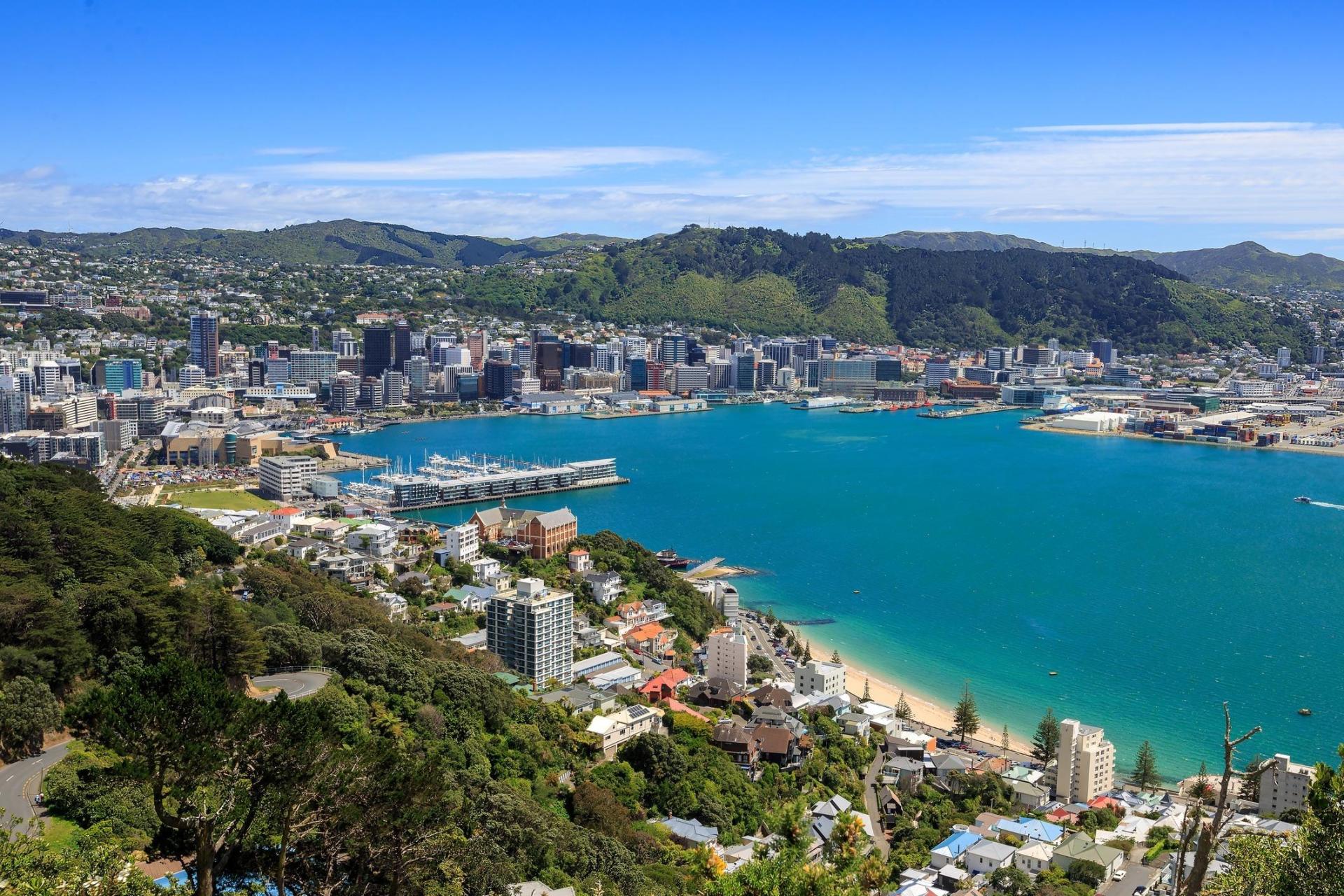
Wellington is New Zealand's compact capital, where a harborside setting, historic cable cars, creative culture, and wind-swept beauty come together in an unusually walkable city. Wellington tours can pair Te Papa Museum and Weta Workshop with coffee on Cuba Street, a waterfront walk, and wide views from Mount Victoria.
Best Time to Visit Wellington
The best time to visit Wellington is from December through March, when longer daylight and warmer weather make waterfront walks, harbor cruises, and hilltop viewpoints easiest to enjoy. Summer daytime temperatures usually sit around 68 to 72 F (20 to 22 C), although Wellington's famous wind can make conditions feel cooler.
Autumn, from March through May, is a strong choice for Wellington trips if you prefer fewer crowds and comfortable walking weather. Crisp days suit the Botanic Garden, Zealandia, and the cable car, while indoor attractions such as Te Papa and Weta Workshop provide a reliable plan when showers arrive. Winter runs from June through August and is cool, wet, and windy, with daytime temperatures often near 54 to 59 F (12 to 15 C). It can still be rewarding for museums, cafes, theater, and lower-season hotel rates.
Spring, from September to November, brings longer days and colorful plantings but changeable weather. Pack a waterproof layer and keep outdoor plans flexible. Wellington's event calendar is lively year-round, so check festival dates before booking; major events can increase demand for hotels and popular activities.
Top Attractions in Wellington
Wellington, New Zealand attractions are close enough to combine several highlights in a single day, but the city's hills and weather make it wise to leave time for unplanned photo stops. A Tours4Fun city tour can provide an efficient introduction before you revisit favorite areas independently.
Te Papa Tongarewa, the Museum of New Zealand, is the essential first stop for understanding the country's landscapes, Maori heritage, art, and social history. Interactive galleries make it approachable for families, and the museum's waterfront location fits naturally with a walk toward Oriental Bay. Allow at least two to three hours; free general admission makes it one of the city's best-value anchors.
The Wellington Cable Car climbs from Lambton Quay to Kelburn in a few minutes, giving visitors an easy change of perspective over the harbor and central streets. At the upper station, continue to the Botanic Garden, the Space Place observatory, and lookout paths. Riding uphill and walking back through the gardens is a simple half-day route.
Weta Workshop in Miramar reveals the practical craft behind film creatures, props, costumes, and special effects. Guided tours explain how miniature sets and detailed characters are made, with displays that appeal to both movie fans and curious first-time visitors. It is outside the central core, so check transport or select a Tours4Fun itinerary that includes transfers.
Wellington Botanic Garden spans hillside lawns, native plantings, seasonal beds, and shaded paths between Kelburn and the city. The Lady Norwood Rose Garden is especially colorful in late spring and summer, while the garden's elevated paths offer quiet views without leaving town. Wear shoes with grip if you plan to explore the steeper trails.
Mount Victoria Lookout is the classic place for a 360-degree view of Wellington's harbor, airport, hills, and compact downtown. Drive, take a bus, or walk the zigzag trails from the city; wind is often stronger at the summit than at street level. Sunrise and late afternoon can bring excellent light, but carry a warm layer even in summer.
Zealandia is a fenced urban ecosanctuary where native birds, forest, and restoration work take center stage. Walking tracks pass through regenerating bush and around a reservoir, with chances to spot tuatara, kereru, and other wildlife. A guided visit or evening tour can reveal more than a quick daytime loop, and booking is sensible for timed experiences.
Rail Travel from Auckland to Wellington
Rail travel from Auckland to Wellington is best done on the Northern Explorer train operated by KiwiRail, a scenic service that crosses New Zealand's North Island rather than a high-speed commuter train. The journey takes about 11 hours, making it a full-day travel experience with large windows, an open-air viewing carriage on many services, and commentary about the landscapes along the route.
The train links Auckland Strand with Wellington Railway Station, passing through agricultural country, volcanic landscapes, and central North Island scenery. Route highlights include the engineering feat of the Raurimu Spiral, the elevated Hapuakohe Range, and views toward Tongariro National Park on clear days. The changing scenery - from green farmland to rugged plateau and forested valleys - is the main reason to choose rail over a domestic flight.
Book Northern Explorer seats well ahead, particularly for summer, school holidays, and weekends. Check the operating calendar because the service does not run as frequently as urban rail, and confirm the departure station, luggage rules, and arrival time before connecting to a hotel or tour. Bring snacks, a refillable water bottle, headphones, and a light layer for the viewing carriage.
How to Get Around Wellington
Wellington Airport is about 5 miles (8 kilometers) southeast of the central city. The Airport Express bus is a practical connection to the railway station and downtown, while taxis, rideshare services, and hotel shuttles offer door-to-door convenience. Confirm your Tours4Fun pickup point and luggage allowance if a transfer is included.
The central waterfront, Te Papa, Cuba Street, Lambton Quay, and the railway station are comfortably linked by walking routes. Metlink buses connect the center with Mount Victoria, Zealandia, Miramar, and outer suburbs; pay attention to the route number and last service when returning from a longer outing. The cable car is both a landmark and an efficient way to reach Kelburn and the Botanic Garden.
A rental car is rarely necessary for central Wellington and can be awkward on steep streets with limited parking. It becomes more useful for flexible regional travel, but driving in wind and narrow hillside neighborhoods requires care. For visitors combining city sightseeing with a guided excursion, Tours4Fun transport can reduce the hassle of navigating unfamiliar roads.



 17 Results