Best Scandinavia Tours

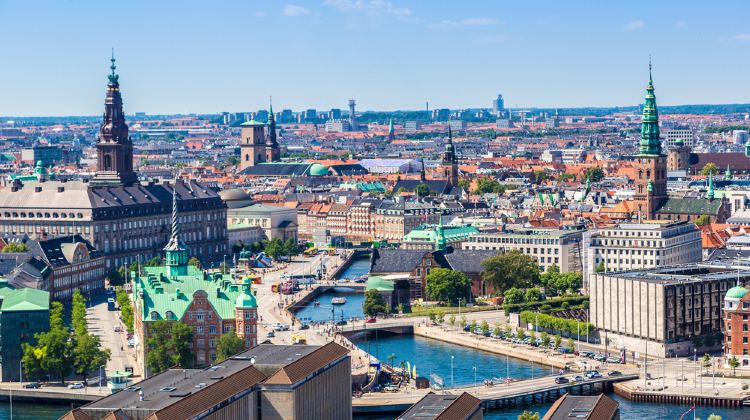
Scandinavia is a masterclass in the harmony between avant-garde urbanity and raw, untamed nature. While the term technically covers Denmark, Norway, and Sweden, the travel experience is a seamless tapestry of Viking heritage and progressive "hygge" living. In Denmark, the bicycle-friendly streets of Copenhagen lead you from the whimsical Tivoli Gardens to the colorful harbor of Nyhavn, embodying a sleek, functional aesthetic. To the west, Norway’s coast is a dramatic spectacle of geological power, where the UNESCO-listed Geirangerfjord and the steep Flåm Railway offer glimpses of waterfalls plunging into emerald waters. Sweden provides a sophisticated balance, from the medieval alleyways of Stockholm’s Gamla Stan to the serene, island-dotted archipelagos of the Baltic. For those venturing into the Arctic Circle, the ethereal Northern Lights and the rugged Lofoten Islands redefine solitude.
Show All

28 Results

Sort By:
1
2
3

Scandinavia Travel Guide: Itinerary & Trip Planning Tips

Which Countries Make Up Scandinavia?

Best Time to Visit Scandinavia

Top Things to Do in Scandinavia

How Many Days Do You Need for Scandinavia?

What Is the Best Way to See Scandinavia?

Sample Scandinavia Itinerary Ideas

Pro Tips for Scandinavia Trip Planning

Which Countries Make Up Scandinavia?

Strictly speaking, Scandinavia refers to Norway, Sweden, and Denmark. Some travelers also include Finland and Iceland under the broader term “Nordic countries,” but if you’re looking at the classic definition, it’s those three.

Norway is famous for its dramatic fjords, scenic train journeys like the Flåm Railway, and the northern lights in Tromsø. Sweden offers Stockholm’s old town charm, the lakes and forests of Dalarna, and the Arctic landscapes of Swedish Lapland. Denmark gives you Copenhagen’s mix of modern design and history, plus fairy-tale castles and coastal escapes.

Best Time to Visit Scandinavia

Your timing matters a lot when it comes to Scandinavia trip planning. Summer (June-August) is the most popular season, thanks to mild weather, long days, and plenty of festivals. Winter (December-February) appeals to travelers chasing the northern lights, skiing, or holiday markets. Spring (April-May) and autumn (September-October) bring fewer crowds, lower prices, and colorful scenery, but weather can be unpredictable.

If you want hiking and fjords, go in summer. If your dream is northern lights and cozy winter cabins, plan for winter. For city trips, shoulder seasons can be ideal.

Top Things to Do in Scandinavia

Beyond the big cities and famous sights, Scandinavia is full of unique experiences that make a trip truly memorable. If you’re planning your Scandinavia itinerary, consider mixing cultural highlights with outdoor adventures. Here are some of the best things to do across the region:

1. Cruise the Norwegian Fjords
No Scandinavia travel guide is complete without mentioning the fjords. Join a fjord cruise from Bergen or take the “Norway in a Nutshell” route, combining trains, buses, and ferries through dramatic landscapes.

2. Hunt for the Northern Lights
From Tromsø in Norway to Abisko in Swedish Lapland, the aurora borealis is one of the top reasons to visit in winter. Clear skies, long nights, and guided excursions give you the best chance to witness this natural wonder.

3. Explore Copenhagen by Bike
Cycling is a way of life in Denmark’s capital. Ride past Nyhavn, the Little Mermaid statue, and the hip neighborhoods of Vesterbro and Nørrebro. It’s an easy, fun way to see the city like a local.

4. Visit Stockholm’s Archipelago
Hop on a ferry and explore some of the 30,000 islands surrounding Stockholm. Many are just an hour away, offering quiet beaches, small villages, and hiking trails.

5. Experience Midnight Sun or Polar Nights
Depending on the season, northern Scandinavia offers endless daylight in summer or nearly 24-hour darkness in winter. Both are unique experiences - perfect for hiking under the midnight sun or chasing auroras during polar nights.

6. Discover Viking History
Learn about Scandinavia’s seafaring past at the Viking Ship Museum in Oslo or the National Museum of Denmark in Copenhagen. Some sites also offer interactive experiences, letting you step into reconstructed Viking villages.

7. Go Dog Sledding or Snowmobiling
In Lapland and northern Norway, winter adventures include husky safaris across snowy landscapes and snowmobile rides under the stars. They’re great additions to a Scandinavia trip if you’re visiting in winter.

8. Relax in Nordic Saunas
Sauna culture is em across the region. Try floating saunas in Norway, traditional wood-fired versions in Sweden, or modern harborfront spas in Copenhagen. A dip in cold water afterwards is optional, but highly recommended!

9. Tour Castles and Palaces
Denmark has Kronborg Castle (the setting for Shakespeare’s Hamlet), Sweden has Drottningholm Palace, and Norway has Akershus Fortress. These historic sites offer a glimpse into royal traditions and architecture.

10. Sample Local Food & Drinks
Food is part of the adventure. Try Danish smørrebrød (open sandwiches), Swedish meatballs, Norwegian salmon, or local craft beers. For something unusual, look out for cloudberries in Lapland.

How Many Days Do You Need for Scandinavia?

A big question is: how much time should you set aside? The short answer: at least a week, ideally two. Distances are bigger than they look on a map, and you’ll want time to enjoy both the cities and nature without rushing.

For example, if you only have 5-7 days, you might stick to two cities like Copenhagen and Stockholm, with maybe a side trip. With 10-14 days, you can combine multiple countries, add Norway’s fjords, or even fit in Lapland for a completely different landscape.

What Is the Best Way to See Scandinavia?

Transportation in Scandinavia is efficient and traveler-friendly. Trains connect major cities like Copenhagen, Stockholm, and Oslo in just a few hours. Ferries are common, especially between Denmark and Norway, or for exploring fjords. Domestic flights help if you’re short on time but want to cover long distances - like reaching the Arctic north.

Some travelers prefer guided multi-day tours for convenience, while others enjoy the flexibility of rail passes or road trips. If you want to explore in depth without dealing with logistics, check options on Scandinavia tours that cover multiple highlights.

Sample Scandinavia Itinerary Ideas

Here are three sample routes to help you picture how a Scandinavia itinerary might look:

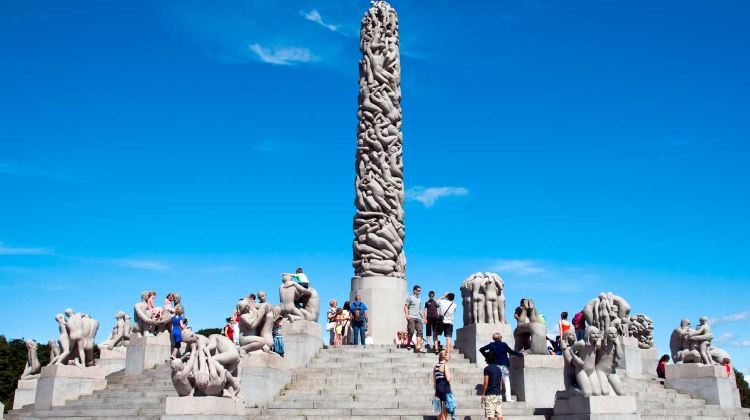
7-Day Itinerary: Focus on cities and a taste of nature. Spend 2 days in Copenhagen (Nyhavn, Tivoli, castles nearby), take the train to Stockholm for 3 days (Gamla Stan, Vasa Museum, archipelago tour), and finish with 2 days in Oslo (Vigeland Park, Viking Ship Museum, fjord cruise).

10-Day Itinerary: Add fjords and variety. Start in Copenhagen (2 days), then Stockholm (3 days). Fly or train to Bergen, Norway, and spend 3 days exploring fjords with a “Norway in a Nutshell” tour. Wrap up in Oslo for 2 days.

14-Day Itinerary: Deeper exploration. Combine Denmark, Sweden, and Norway plus an Arctic adventure. Copenhagen (2 days) → Gothenburg (1 day) → Stockholm (3 days) → overnight train to Kiruna in Swedish Lapland (2 days) → fly to Tromsø, Norway (2 days for northern lights) → Bergen (2 days) → Oslo (2 days).

Pro Tips for Scandinavia Trip Planning

Currency & Costs: Each country has its own currency (Norway - NOK, Sweden - SEK, Denmark - DKK). Scandinavia is expensive, so budget accordingly. Consider city passes for attractions and transport savings.

Language: English is widely spoken, so communication is rarely a problem.

Packing: Layers are key. Weather can change quickly, even in summer. Don’t forget a rain jacket.

Booking in advance: Trains, fjord tours, and northern lights excursions sell out in peak season, so secure tickets early.

Local food: Try smørrebrød in Denmark, cinnamon buns in Sweden, and fresh seafood in Norway. Food tours can be a great way to explore local culture.

Insider Travel Offers

Sign up for early access to new tours, limited-time offers & travel perks.