Is It Safe to Travel to Indonesia Now?
Overall, Indonesia is safe for tourists, and millions visit each year without issues. Petty theft can happen in busy markets or beaches, so keep an eye on your belongings. Natural risks like earthquakes and volcanic activity exist, but major tourist areas usually have clear safety guidelines. Roads and traffic can be hectic, so use caution when renting scooters. Common-sense travel habits - using registered taxis, respecting local customs, and checking local travel advisories - will go a long way. Solo travelers and families alike often report feeling comfortable in popular destinations like Bali, Yogyakarta, and Lombok.
Best Time to Visit Indonesia
Indonesia has a tropical climate with two main seasons: wet (November-March) and dry (April-October). The dry season is considered the best time for most outdoor activities, from diving in Komodo to hiking Mount Bromo. Bali and Java are popular year-round, but they’re especially pleasant between May and September. If you want to avoid crowds, shoulder months like April and October are ideal. Do note that some islands like Sumatra or Sulawesi have slightly different weather patterns, so check regional forecasts if you’re venturing beyond the main tourist hubs.
Top Places to Visit in Indonesia
With so many islands, narrowing down the best Indonesia places to visit can feel overwhelming. Here are some of the highlights that most travelers include on their list.
Bali
Bali remains the number-one destination for a reason. From beaches in Seminyak and Uluwatu to rice terraces in Ubud, it offers a balance of relaxation and adventure. Add in temples like Tanah Lot and water activities in Nusa Dua, and you’ll see why Bali is often the centerpiece of Indonesia travel.
Java
Java is the cultural and political heart of Indonesia. Yogyakarta is famous for Borobudur and Prambanan temples, as well as a thriving art scene. Mount Bromo and Mount Ijen offer otherworldly volcanic landscapes. Jakarta, though hectic, is a good entry point with modern city life mixed with history.
Lombok and the Gili Islands
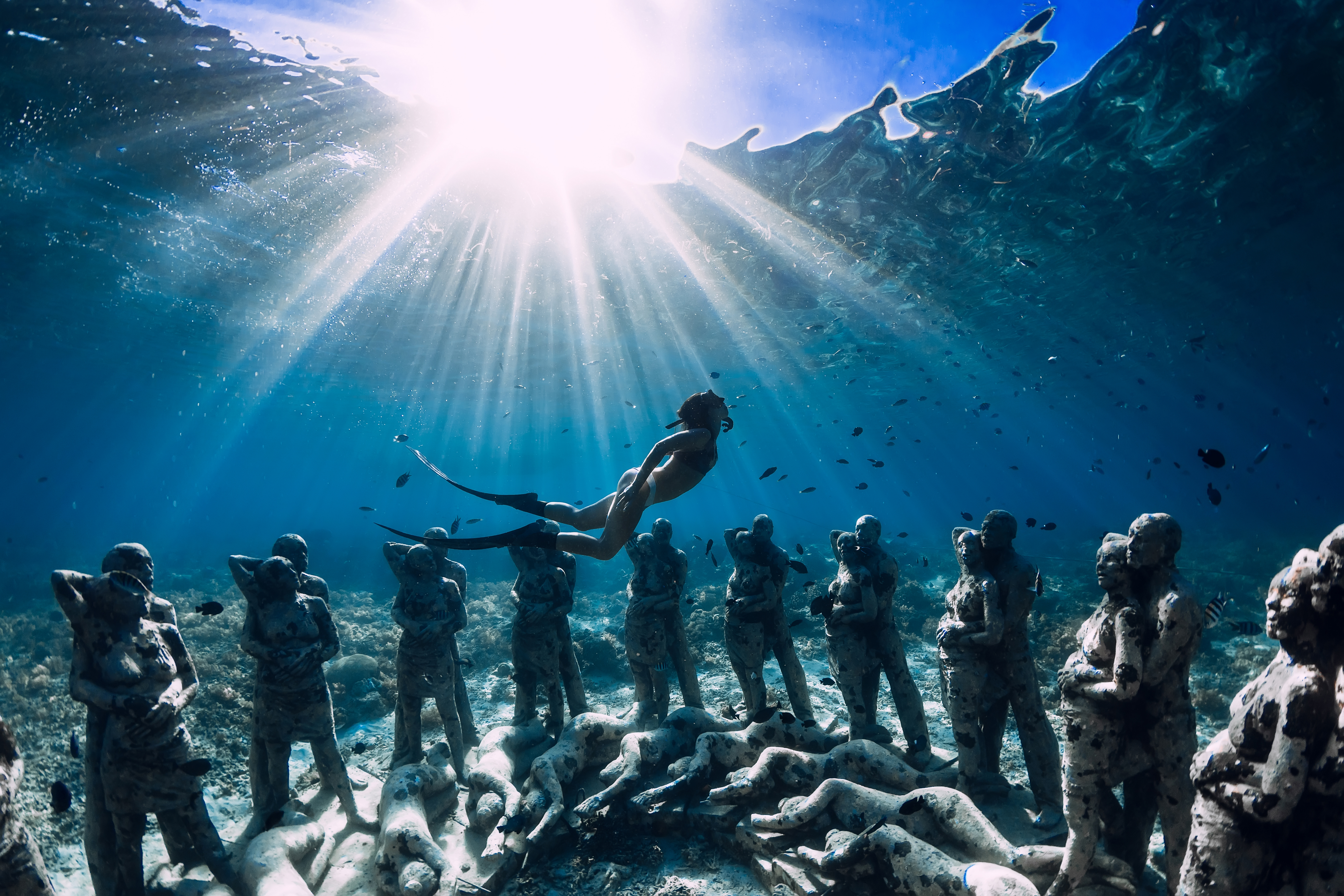
Lombok is quieter than Bali but equally beautiful, with pristine beaches and trekking opportunities on Mount Rinjani. Just offshore, the Gili Islands are a favorite for snorkeling, diving, and laid-back vibes. No cars here - just bicycles and horse carts.
Komodo National Park
Famous for the Komodo dragons, this UNESCO-listed park also has some of the world’s best diving and snorkeling spots. Liveaboard boat trips are popular for exploring the islands and coral reefs.
Sumatra
For a more off-the-beaten-path experience, Sumatra offers orangutan trekking in Bukit Lawang, volcanic lakes like Lake Toba, and rugged nature that appeals to adventure seekers.
How Many Days Do You Need?
Indonesia is vast, and distances between islands can be long. A short trip of 7 days usually focuses on one island, often Bali. Ten days allows for a combination, such as Bali and Java or Bali and Lombok. Two weeks or more opens up possibilities for more ambitious routes including Komodo, Sumatra, or Sulawesi. If you’re short on time, stick to fewer destinations to avoid rushing and maximize your experience.
Indonesia Travel Itinerary Suggestions
Planning an Indonesia vacation can feel daunting, but here are practical outlines to help.
7-Day Indonesia Itinerary
Focus on Bali for a balanced week:
Day 1-2: Ubud - rice terraces, monkey forest, and temples.
Day 3-4: Seminyak or Canggu - beach clubs, surfing, and shopping.
Day 5: Uluwatu - cliffside temples and sunset views.
Day 6-7: Nusa Penida - stunning cliffs and snorkeling day trip.
10-Day Indonesia Itinerary
A mix of Bali and Java:
Day 1-3: Bali (Ubud & beaches).
Day 4-5: Fly to Yogyakarta - Borobudur, Prambanan, and local culture.
Day 6: Mount Bromo sunrise trek.
Day 7: Fly to Lombok.
Day 8-9: Gili Islands - snorkeling and island hopping.
Day 10: Return to Bali for departure.
14-Day Indonesia Itinerary
A deeper dive into the islands:
Day 1-3: Bali highlights (Ubud, Uluwatu, Seminyak).
Day 4-6: Yogyakarta & Mount Bromo.
Day 7-8: Komodo National Park boat trip.
Day 9-10: Flores Island - local culture and nature.
Day 11-12: Lombok - beaches and Mount Rinjani trek.
Day 13-14: Gili Islands - relax before heading home.
Trip Planning Tips for Indonesia
Entry Requirements: Many travelers can get a visa on arrival valid for 30 days. Always check the latest rules before your trip, as policies may change.
Budget: Indonesia is generally affordable. Accommodation ranges from budget guesthouses to luxury resorts. Meals at local warungs cost just a few dollars, while high-end dining is also available. Transport between islands can be a bigger expense, especially if flying often.
Packing List: Lightweight clothing, a rain jacket, insect repellent, sunscreen, and modest attire for temple visits are essentials. Good walking shoes help for hikes and city explorations.
Culture & Etiquette: Indonesia is diverse, but most regions are conservative. Dress modestly in rural areas and religious sites. Learn a few basic Bahasa Indonesia phrases - locals appreciate the effort.
Transport: Flights are the fastest way to move between distant islands. Ferries and speedboats serve shorter connections. On land, ride-hailing apps are common in big cities, while scooters are the go-to in Bali and Lombok.


 51 Results






 Best Price Promise


