Hungary Tours: Budapest & Beyond
Hungary, straddling the Danube River in Central Europe, offers travelers a rich tapestry of history, culture, and natural beauty. From the grand architecture of Budapest to the wine regions of Tokaj and the thermal spas scattered throughout the country, the destination combines Eastern and Western influences in ways that surprise first-time visitors.
Best Time to Travel to Hungary
The best time to travel to Hungary, is during spring (March to May) and fall (September to October), when pleasant temperatures and fewer tourists create ideal conditions for exploring the city's historic sites and thermal baths.
Spring brings mild temperatures of 50-68°F (10-20°C) and blooming parks throughout Budapest. This is an excellent time for visiting Hungary's capital without the summer crowds. Easter festivals and spring markets add to the atmosphere.
Summer (June to August) is peak tourist season with warm weather averaging 70-85°F (21-29°C). Days are long and perfect for outdoor activities, river cruises on the Danube, and visiting Budapest's outdoor thermal baths. However, this is the most crowded and expensive time to visit.
Fall offers comfortable temperatures of 55-70°F (13-21°C) and fewer tourists after September. The grape harvest season makes this an excellent time for visiting Hungary's wine regions. Autumn colors enhance the beauty of Budapest's parks and the countryside.
Winter (November to February) is cold with temperatures of 25-40°F (-4 to 4°C). Budapest's Christmas markets, running from mid-November through December, are among Europe's most beautiful. The thermal baths are especially enjoyable in cold weather.
How Many Days in Hungary Is Enough?
For a first trip to Hungary, 3-4 days allows you to explore Budapest thoroughly, including Buda Castle, the Parliament building, and the thermal baths. This duration gives you time to experience the city's historic sites, enjoy a Danube river cruise, and sample Hungarian cuisine.
If you want to explore beyond Budapest and visit destinations like Lake Balaton, the wine region of Eger, or the UNESCO-listed Hollókő village, plan for 6-7 days.
Extended trips of 10 days or more allow you to explore the Great Plain, visit Pécs in the south, or combine Hungary with neighboring countries like Austria, the Czech Republic, or Romania.
Hungary Transportation
Hungary has a well-developed public transportation system, making it easy to travel between cities and within urban areas.
Traveling Between Cities
Hungarian State Railways (MÁV) operates trains connecting major cities. The express trains from Budapest to Balatonfüred take about 2 hours. InterCity trains offer comfortable service with air conditioning and dining cars. Long-distance buses are an affordable option, with companies like Volánbusz serving routes throughout the country.
Within Budapest
Budapest's public transportation system includes metro lines, trams, buses, and trolleybuses. A 24-hour pass costs about $5 and provides unlimited travel. The metro Line 1, built in 1896, is a UNESCO World Heritage site and the oldest underground railway in continental Europe.
Budapest's attractions are spread across Buda and Pest sides of the Danube. The city is best explored using a combination of walking and public transport.
Rental cars are useful for exploring the countryside and wine regions. However, parking in Budapest's city center is limited and expensive.
Hungary Tourist Attractions
Budapest
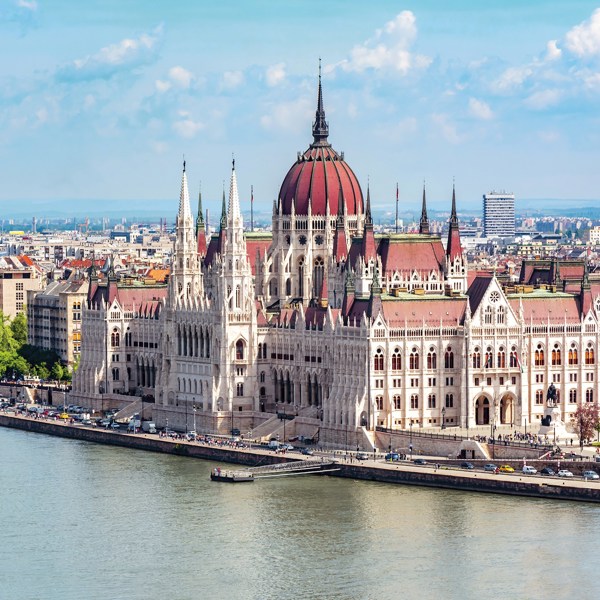
The capital city, often called the 'Pearl of the Danube,' is divided into Buda and Pest by the river. Buda Castle, a UNESCO World Heritage site, offers panoramic views of the city. The Hungarian Parliament building, one of the largest in the world, features stunning Gothic architecture. Fisherman's Bastion provides fairy-tale towers and terraces. The thermal baths, including Széchenyi and Gellért, are Budapest's most famous attractions.
Lake Balaton
Central Europe's largest lake, located about 1.5 hours from Budapest. The northern shore is known for wine production and historic towns. The southern shore has sandy beaches and resort towns.
Eger
A historic town in northern Hungary famous for its wine, particularly Bull's Blood (Egri Bikavér). Eger Castle played a crucial role in defending against Ottoman invasion.
Tokaj
A UNESCO-listed wine region in northeastern Hungary, famous for its sweet Tokaji wines. The region's cellars and vineyards offer tours and tastings.
Hollókő
A UNESCO-listed Palóc village preserving traditional Hungarian rural architecture and culture. The open-air museum showcases 17th-century buildings, crafts, and customs.
Pécs
A cultural city in southern Hungary with Ottoman and Habsburg influences. The Early Christian Mausoleum and Zsolnay Quarter are major attractions. Hungary Travel Tips
Currency: Hungary uses the Hungarian forint (HUF), not the euro. Credit cards are widely accepted in tourist areas, but carry cash for smaller establishments and rural areas.
Language: Hungarian is the official language and is quite different from other European languages. English is spoken in Budapest and tourist areas, but less so in rural regions.
Tipping: Tipping 10-15% is standard in restaurants. Check if service charge is included in the bill.
Thermal Bath Etiquette: Bring your own towel and flip-flops. Most baths provide lockers for valuables.
Safety: Hungary is very safe for tourists. Standard precautions apply in crowded tourist areas. Keep valuables secure on public transport.
Hungarian Cuisine: Try goulash, chicken paprikash, and langos (fried dough). Hungarian wines, especially Tokaji and Egri Bikavér, are excellent.



 70 Results