Is Bolivia Worth Visiting? Travel Requirements and Safety
Absolutely! Bolivia is a country that rewards the intrepid with jaw-dropping scenery and genuine cultural experiences. However, like any travel destination, it's essential to be prepared.
Is Bolivia Safe to Visit?
The answer is generally yes, but with some caveats. Petty theft can happen in crowded places like bus terminals and markets, so it’s smart to stay aware of your belongings. Roads are winding and sometimes poorly maintained, so long-distance bus rides can be rough. That said, many travelers find that Bolivians are warm and welcoming, and crime against tourists is not widespread compared to larger South American cities. For up-to-date travel advisories, it's always a good idea to check with your government's foreign travel department before you go.
Bolivia travel requirements
These can vary depending on your nationality. Many visitors, including those from the EU and Australia, can enter visa-free for up to 90 days. US citizens currently require a visa, which can be obtained in advance or on arrival for a fee of $160. It’s crucial to have at least six months of validity on your passport.
A yellow fever vaccination certificate may also be required if you are arriving from a country with a risk of transmission. Always double-check the latest visa and entry requirements with your local Bolivian embassy or consulate before your trip.
Best Time to Travel to Bolivia
Bolivia’s climate is shaped by altitude more than seasons. In the highlands (La Paz, Potosí, Uyuni), expect chilly nights year-round, while lowland regions like Santa Cruz are hot and humid.
The dry season (May to October) is the most popular time to travel, with clear skies perfect for hiking and sightseeing. The wet season (November to March) has its perks, too, this is when the Salar de Uyuni transforms into a natural mirror after the rains, creating surreal reflections that photographers love. If you’re flexible, May and September offer a good balance: fewer crowds, mild temperatures, and mostly dry conditions.
Best Places to Visit in Bolivia
Bolivia’s geography is incredibly diverse, so deciding where to go depends on your travel style. Here are some highlights:
La Paz - The world’s highest administrative capital sits in a canyon surrounded by mountains. Ride the Mi Teleférico cable cars for sweeping views, wander the Witches’ Market, and take a day trip to the Valle de la Luna (Moon Valley).
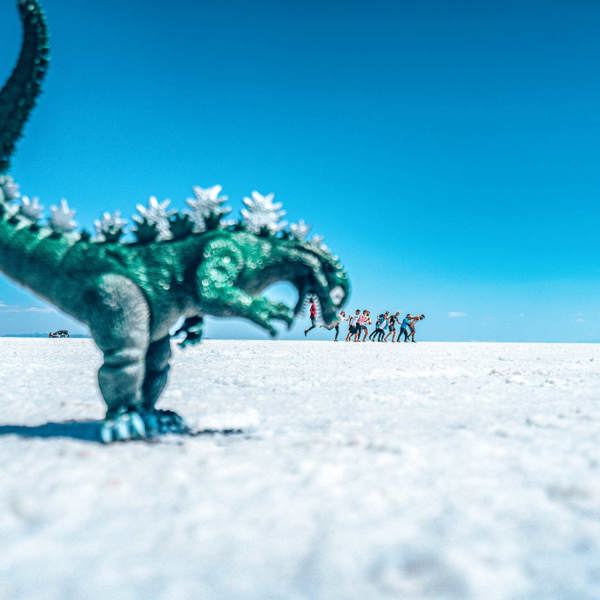
Salar de Uyuni - The largest salt flat in the world is Bolivia’s crown jewel. A multi-day tour also takes you through surreal landscapes of red and green lagoons, flamingos, and geysers. Don’t skip this.
Lake Titicaca & Isla del Sol - On the border with Peru, this massive high-altitude lake is home to traditional communities and legends of the Inca. Isla del Sol is perfect for slow hikes and local homestays.
Sucre - Known as Bolivia’s most beautiful city, Sucre charms with its whitewashed colonial buildings, lively markets, and warm climate. It’s also a UNESCO World Heritage Site.
Potosí - Once one of the richest cities in the world thanks to its silver mines, Potosí today tells the story of Bolivia’s colonial past. Tours of Cerro Rico mines are sobering but eye-opening.
Santa Cruz - If you want a taste of Bolivia’s lowlands, Santa Cruz is a good base for exploring the Amazon basin, Amboró National Park, and the Jesuit missions.
One Week Itinerary in Bolivia
If you have seven days, you’ll need to prioritize. Here’s a sample Bolivia travel itinerary for first-timers:
Day 1-2: La Paz - Arrive, acclimate to the altitude, ride the cable cars, and explore the city. Consider a half-day trip to Valle de la Luna.
Day 3-5: Uyuni & Surroundings - Fly or bus to Uyuni and take a 3-day tour of the salt flats and the Eduardo Avaroa Reserve. Highlights include the train graveyard, Laguna Colorada, and vast desert scenery.
Day 6: Sucre - Travel to Sucre for a slower pace. Stroll through the historic center and enjoy local food markets.
Day 7: Return via La Paz - Fly back to La Paz for departure, or add an extra night at Lake Titicaca if you can extend your trip.
Pro Tips for Traveling in Bolivia
Getting around: Long-distance buses are the main way to travel between cities, though flights save time if you’re short on days. Inside cities, minibuses and shared taxis are cheap but chaotic. In La Paz, the cable car network is not just scenic but also practical.
Budget: Bolivia is one of the most affordable countries in South America. Expect to spend around $30-$50 per day on mid-range travel, including meals, transport, and budget hotels. Tours (especially Uyuni) add extra costs but are usually worth it.
Things to avoid: Be cautious with raw vegetables and tap water, stick to bottled water to avoid stomach issues. Also, altitude sickness is real; take it easy when you arrive in highland cities and consider coca tea or pills if needed.
Cultural tips: Bolivians are generally reserved but polite. Learning a few words of Spanish goes a long way, and being respectful when photographing people, especially in rural areas.



 7 Results