


Best Johannesburg Tours & Trips
Johannesburg pulses with raw energy, a city shaped by gold, struggle, and reinvention. Explore the Apartheid Museum to grasp its complex soul, then wander Maboneng’s revitalized streets, where art galleries and cafes buzz beneath high-rises. Soweto tells stories of resilience - cycle down Vilakazi Street, past Mandela’s former home, and feel history in every brick. Just outside, the Cradle of Humankind reveals human origins in limestone caves like Sterkfontein. Heat by day, cool by night, Joburg rewards the curious with authentic encounters few expect.
Show All
 6 Results
Filters
Places
Dates & Length


5.0 (102 reviews) Tour Code: 689958
Start / End City
Johannesburg, Cape Town
Duration
12.0 Days
City & Attractions
Johannesburg, Cape Town, Apartheid Museum
+3 more
Languages
English Live
Group Type
Standard Group Tour
Tour Audience
Mixed International Travelers
From
$2,774.69
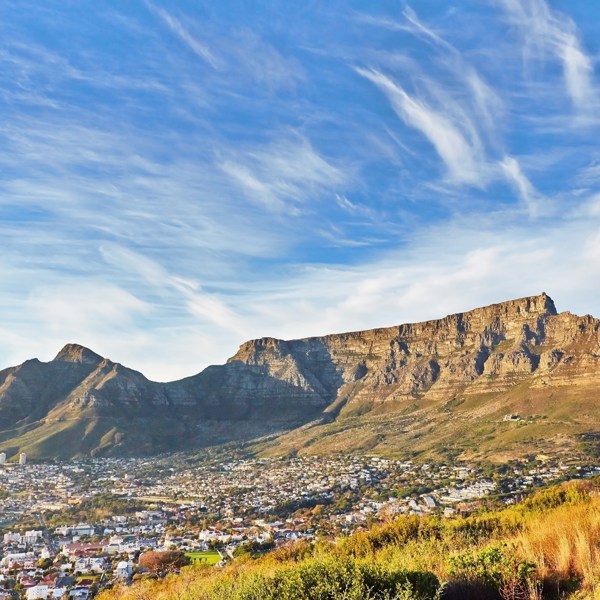
5.0 (5 reviews) Tour Code: 716088
Start / End City
Cape Town, Johannesburg
Duration
7.0 Days
City & Attractions
Cape Town, Johannesburg, Table Mountain
+1 more
Languages
English Live
Group Type
Standard Group Tour
Tour Audience
Primarily English-Speaking Travelers
Operator
The Travel Corporation (TTC)
Save 10%
From $1,853.06
$1,667.75

4.9 (5 reviews) Tour Code: 716091
Start / End City
Cape Town, Johannesburg
Duration
10.0 Days
City & Attractions
Cape Town, Johannesburg, Livingstone
+3 more
Languages
English Live
Group Type
Standard Group Tour
Tour Audience
Primarily English-Speaking Travelers
Operator
The Travel Corporation (TTC)
Save 10%
From $3,864.19
$3,477.77
5.0 Tour Code: 683721
Start / End City
Johannesburg, Victoria Falls City
Duration
8.0 Days
City & Attractions
Languages
English Live
Group Type
Standard Group Tour
Tour Audience
Mixed International Travelers
Operator
Intrepid Travel
From
$2,669.00

5.0 Tour Code: 24832
Start / End City
Johannesburg, Victoria Falls City
Duration
9.0 Days
City & Attractions
Johannesburg, Victoria Falls City, Kruger National Park
Languages
English Live
Group Type
Small Group Tour
Operator
G Adventures
From
Live

5.0 Tour Code: 24841
Start / End City
Johannesburg
Duration
7.0 Days
City & Attractions
Johannesburg, Kruger National Park
Languages
English Live
Group Type
Small Group Tour
Operator
G Adventures
From
Live
8 Ghost Tours You Have To Take Before You Die (Or After)
Slowly but surely Halloween and Fall decorations are invading stores through the United States. Most decry the forced commercialization of holidays, b
Why book with Tour4fun?
 Best Price Promise Transparent Pricing — No Hidden Fees Strictly Selected Local Partners 24/7 Multilingual Support
Best Time to Visit Johannesburg
Spring 2026
Spring in Johannesburg marks a vibrant return to color and energy. From September to November, temperatures climb back to 68°F–82°F (20°C–28°C), and the first rains begin to break the long winter dryness. The city is famously transformed by the bloom of jacaranda trees, painting entire neighborhoods in shades of violet and lilac. Gardens, parks, and outdoor venues come alive once more, and the atmosphere feels optimistic and forward-looking. Spring bridges Johannesburg’s serene winter and stormy summer, offering balance, beauty, and some of the year’s most photogenic moments.
Show All
Summer 2026
Vivid skies, lush greenery, and dramatic afternoon thunderstorms define summer in Johannesburg. From December through February, temperatures typically range between 73°F and 86°F (23°C to 30°C), moderated by the city’s high elevation on the Highveld. Mornings are bright and clear, while late afternoons often bring rolling clouds and short, intense bursts of rain that cool the air and refresh the landscape. The city’s parks and tree-lined suburbs flourish, earning Johannesburg its reputation as one of the world’s largest urban forests. Outdoor cafés buzz with energy, and cultural life thrives, from open-air markets to music festivals that celebrate the city’s creative pulse.
Show All
Autumn 2026
Autumn in Johannesburg is widely regarded as the most graceful and comfortable season. From March to May, rainfall tapers off, humidity drops, and daytime temperatures settle into a mild 64°F to 77°F (18°C to 25°C) range. The air turns crisp, visibility improves, and golden light softens the city’s skyline. Jacaranda trees shed their purple blossoms, while oak-lined streets take on warm autumn hues. This is an ideal time for walking tours through neighborhoods like Maboneng and Parkhurst, as well as for excursions to nearby game reserves and the Cradle of Humankind, where pleasant weather enhances outdoor exploration.
Show All
Winter 2026/2027
Winter is dry, sunny, and surprisingly cool—especially at night. From June to August, daytime highs average 59°F-68°F (15°C-20°C), but temperatures can dip to 37°F–41°F (3°C–5°C) after sunset. Rain is rare, and the sky remains a deep, uninterrupted blue for weeks at a time. Frost occasionally appears in outlying areas, though snow is virtually unheard of. The lack of humidity makes winter days comfortable for sightseeing, while evenings call for warm layers. Cultural institutions, galleries, and cafés become focal points of city life during this quieter, contemplative season.
Show All
Browse Johannesburg Tour Types
Explore Popular Johannesburg Itineraries
Start City


Save up to 50% on tours
Sign up for our newsletter to get exclusive access to members only deals by email.