When’s the Best Month to See Northern Lights in Yellowknife?
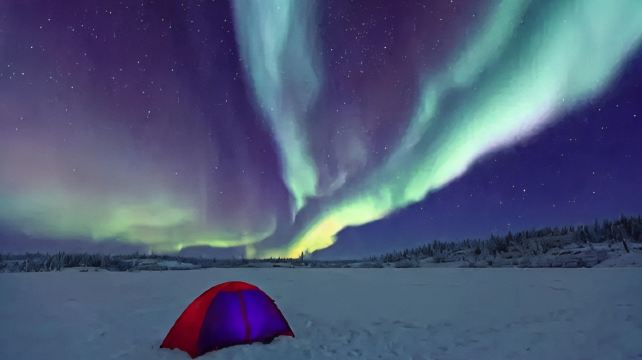
Yellowknife is one of the best places on Earth to see the Aurora Borealis. The peak viewing seasons are from late August to early October and from mid-November to early April. During these months, the nights are long and dark, providing the perfect canvas for the celestial light show. March is a particularly popular month, not only for the high chances of seeing the aurora but also for the Snowking Winter Festival, a month-long celebration of winter with a magnificent snow castle, live music, and art.
But is there anything else worth seeing at other times? Absolutely! The summer months, from June to August, offer long sunny days perfect for exploring the outdoors. You can go hiking, fishing on the Great Slave Lake, or kayaking around the iconic houseboats of Old Town. The fall season, in September and October, brings a stunning display of autumn colors, and the cooler temperatures are ideal for hiking and wildlife viewing. And even in the heart of winter, when the temperatures drop, the city comes alive with activities like dog sledding, snowmobiling, and ice fishing.
How Many Days Do You Need in Yellowknife?
To make the most of your Yellowknife trip and maximize your chances of seeing the Northern Lights, we recommend a stay of at least 3 to 4 days. This will give you enough time to join a few different Yellowknife Northern Lights tours, explore the city and its surroundings, and try some of the unique activities that the region has to offer.
A longer stay will also give you more flexibility in case of cloudy weather, which can sometimes obstruct the view of the aurora. If you're visiting in the summer, a similar length of stay will allow you to fully immerse yourself in the natural beauty of the area and enjoy the long daylight hours.
Top Things to Do in Yellowknife
Yellowknife is a city that punches above its weight when it comes to attractions and activities. Here are some of the things you absolutely can't miss:
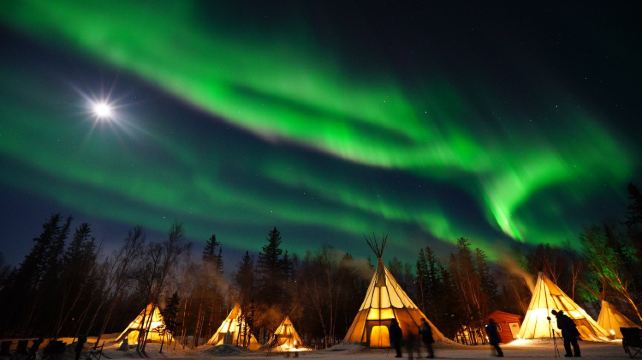
Chase the Aurora Borealis: This is the number one reason to visit Yellowknife. Join a guided tour that will take you to the best viewing spots outside the city, away from the light pollution. Many tours offer cozy cabins or teepees where you can warm up with a hot drink while you wait for the show to begin.
Explore Old Town: Take a stroll through the historic Old Town, with its colorful houseboats, quirky shops, and rustic charm. Climb to the top of the Bush Pilot's Monument for a panoramic view of the city and Great Slave Lake.
Visit the Prince of Wales Northern Heritage Centre: This excellent museum showcases the rich history, culture, and geology of the Northwest Territories. It's a great place to learn about the Indigenous heritage of the region and the history of the gold rush that put Yellowknife on the map.
Go Dog Sledding: Experience the thrill of gliding across the frozen landscape behind a team of energetic sled dogs. This is a quintessential Canadian winter experience that you won't want to miss.
Try Ice Fishing: Join a guided ice fishing tour and try your luck at catching a fish from the frozen Great Slave Lake. It's a peaceful and uniquely northern experience.
Hike to Cameron Falls: In the summer and fall, take a hike to the beautiful Cameron Falls, located just a short drive from the city. The trail is relatively easy and offers stunning views of the waterfall and surrounding forest.
Snowking Winter Festival: If you’re visiting in March, the festival is a must: a month-long snowy castle on Great Slave Lake hosting art shows, live music and ice performances.
How to Spend 3 Days in Yellowknife - Sample Itinerary
To help you plan your trip, here's a sample 3-day itinerary that covers some of the best things to do in Yellowknife:
Day 1: Arrival and City Exploration. Arrive in Yellowknife, check into your hotel, and spend the afternoon exploring the city. Visit the Prince of Wales Northern Heritage Centre to get a feel for the local history and culture. In the evening, head out on your first Yellowknife Northern Lights tour and prepare to be amazed.
Day 2: Winter Adventures and More Aurora. Spend the day enjoying some of the unique winter activities that Yellowknife has to offer. Go dog sledding in the morning and then try your hand at ice fishing in the afternoon. In the evening, head out on another aurora tour to a different location for a new perspective on the Northern Lights.
Day 3: Old Town Charm and Departure. On your last day, explore the charming Old Town. Wander through the streets, admire the houseboats, and climb the Bush Pilot's Monument for a final view of the city. If you have time, browse the local shops for unique souvenirs before heading to the airport for your flight home.
Planning a Northern Lights Vacation in Yellowknife
Choose Aurora forecasting websites or town alerts. Yellowknife’s official site provides current aurora forecasts and “Northern Lighthouses” around town that light up when aurora activity is expected.
Going with local Indigenous-owned guides or companies greatly increases your odds. They understand weather shifts and shift viewing locations if needed, unlike fixed-camp tours.
Pack properly: even fall nights can be chilly; winter means temps below -20 °C. Dress in layers, bring spare batteries (cold drains them fast), and ask if your lodging offers a northern lights wake-up call so you don’t miss a display.
Be patient. The Northern Lights are a natural phenomenon, and there's no guarantee that you'll see them on any given night. Be patient, and be prepared to spend a few nights searching for them. The reward will be well worth the wait.
Other Things to Know Before Your Trip
Getting There: Yellowknife is well-connected by air, with regular flights from major Canadian cities like a Calgary and Edmonton.
Getting Around: The city is relatively small and easy to explore on foot. Taxis and a local bus service are also available. If you're planning on doing a lot of exploring outside the city, you might want to consider renting a car.
Where to Stay: There are a variety of accommodation options in Yellowknife, from hotels and motels to bed and breakfasts and private cabin rentals.
What to Eat: Be sure to try some of the local delicacies, such as fresh fish from the Great Slave Lake, bison burgers, and bannock, a traditional Indigenous bread.
Embrace the Cold: The cold is a part of the Yellowknife experience, so embrace it! With the right clothing and a positive attitude, you'll be able to enjoy all that this amazing city has to offer.



 23 Results