


Best Virginia Tours & Trips
Virginia serves as the historical cradle of the United States, offering a landscape where colonial heritage meets breathtaking natural beauty. Visitors can journey through the "Historic Triangle" of Jamestown, Yorktown, and Colonial Williamsburg to experience the birth of the nation, or explore the presidential estates of Mount Vernon and Monticello. Geographically, the state is a stunner, stretching from the sandy shores of Virginia Beach and the wild ponies of Chincoteague to the misty peaks of the Blue Ridge Mountains. The scenic Skyline Drive offers one of America’s premier road trip experiences, while the Shenandoah Valley beckons with subterranean wonders like Luray Caverns.
Show All
 5 Results
Filters
Places
Dates & Length



5.0 Tour Code: 737280
Start / End City
Washington D.C., Virginia
Duration
3.0 Days
City & Attractions
New York, Niagara Falls, Corning
+7 more
Languages
Chinese Live, English Live
Group Type
Standard Group Tour
From
$398.02
5.0 (2 reviews) Tour Code: 742140
Start / End City
Washington D.C., Virginia
Duration
4.0 Days
City & Attractions
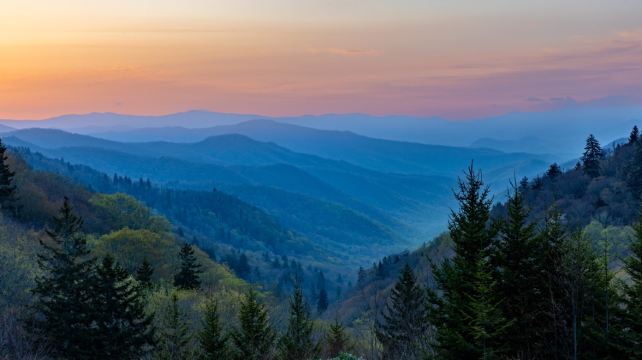
Pigeon Forge, Luray, Sevier County
+9 more
Languages
Chinese Live, English Live
Group Type
Standard Group Tour
From
$788.06
5.0 Tour Code: 737292
Start / End City
Washington D.C., Virginia
Duration
5.0 Days
City & Attractions
New York, Washington D.C., Niagara Falls
+21 more
Languages
Chinese Live, English Live
Group Type
Standard Group Tour
From
$667.99
5.0 Tour Code: 743295
Start / End City
Gaithersburg, Washington D.C., Virginia
Duration
10.0 Days
City & Attractions
Washington D.C., Atlanta, New Orleans
+43 more
Languages
Chinese Live, English Live
Group Type
Standard Group Tour
From
$1,859.13
5.0 Tour Code: 743301
Start / End City
Washington D.C., Gaithersburg, Virginia
Duration
11.0 Days
City & Attractions
Washington D.C., Atlanta, New Orleans
+43 more
Languages
Chinese Live, English Live
Group Type
Standard Group Tour
From
$2,008.92

12 Best National Parks to Explore the East Coast’s Wild Side
When we talk about national parks, those on the West Coast are probably the first to come to mind. Especially the expansive canyons of Zion or the gey

Best Time to Visit Virginia
Winter
Winter in Virginia runs from December through February, offering a quiet, romantic atmosphere and a different perspective on history. Temperatures typically hover between 30°F and 50°F (-1°C to 10°C), with snow common in the mountains but sporadic elsewhere. This is the season for the "Grand Illumination" in Colonial Williamsburg, where the historic area is lit by candles and fireworks. Winter sports enthusiasts can ski or snow tube at resorts like Wintergreen and Massanutten in the Blue Ridge Mountains. Surprisingly, winter is the prime time for whale watching off the coast of Virginia Beach, as whales migrate during these months.
Show All
Spring 2026
Spring in Virginia, spanning March through May, is a season of spectacular floral display and historical celebration. The chill of winter recedes as temperatures climb from a crisp 50°F to 75°F (10°C to 24°C), signaling the bloom of dogwoods and azaleas across the state. Northern Virginia offers easy access to the famous cherry blossoms along the Potomac, while the Shenandoah Valley turns a vibrant green, perfect for hiking portions of the Appalachian Trail. It is a prime time for visiting Colonial Williamsburg before the summer humidity sets in. Accommodation rates are moderate, though they spike near D.C. during peak bloom. Packing layers is essential as rain showers are common but usually brief, enhancing the lush scenery.
Show All
Summer 2026
Summer, lasting from June to August, is the peak season for family vacations, centered heavily on the coast and theme parks. Temperatures average between 85°F and 90°F (29°C to 32°C) with significant humidity. Virginia Beach becomes the state’s bustling hub, offering a classic boardwalk experience, surfing, and vibrant nightlife. History buffs and thrill-seekers head to the region, combining visits to Jamestown with the world-class roller coasters of Busch Gardens Williamsburg. A unique highlight is the annual Pony Swim on Chincoteague Island in July, drawing crowds to the Eastern Shore. While the mountains offer slightly cooler respite, popular trails like Old Rag can get crowded. Travelers should book beach accommodations months in advance and be prepared for higher prices.
Show All
Autumn 2026
Autumn is widely considered the most visually stunning time to visit Virginia. From late September through November, the humidity drops, and the air turns crisp, with temperatures ranging from 55°F to 75°F (13°C to 24°C). The Blue Ridge Parkway and Skyline Drive become premier destinations as the foliage explodes into reds, oranges, and golds, attracting leaf-peepers from across the country. October is designated as Virginia Wine Month, making it the perfect season to tour the vineyards around Charlottesville and Loudoun County. While beach crowds disappear, the mountains see peak tourism; therefore, securing lodging along scenic byways requires early planning. It is an ideal season for scenic drives, hiking, and enjoying the rich harvest culture without the summer intensity.
Show All
Reviews for Virginia Tours
M
Outstanding maple foliage tour by tour leader sunny shen, highly recommended
Show All
Browse Virginia Tour Types



















Save up to 50% on tours
Sign up for our newsletter to get exclusive access to members only deals by email.