The best Chengdu tourist attractions reveal three sides of the city: giant pandas, deep historical layers, and an everyday culture built around parks, teahouses, food, and unhurried conversation. For a first visit, prioritize the Chengdu Research Base of Giant Panda Breeding, Wuhou Shrine and Jinli, People’s Park, Wenshu Monastery, and one museum or historic district. Add Sichuan Opera if an evening is free. Two days cover the essentials, three days allow a more balanced city experience, and five or six days leave room for one or two regional excursions. Sanxingdui Museum, Leshan Giant Buddha, Dujiangyan Irrigation System, and Mount Qingcheng are realistic choices from Chengdu. Jiuzhaigou and Huanglong are not ordinary day trips; they belong to a separate northern Sichuan journey. A focused itinerary is more rewarding than an exhausting checklist. Group nearby Chengdu city attractions, avoid duplicating similar historic streets, and preserve time for tea, food, and evening culture.
Chengdu Attractions at a Glance
| Attraction or experience | Best for | Time to allow | Priority |
| Panda Base | Wildlife, families, photography | Half day | Essential |
| Wuhou Shrine and Jinli | Three Kingdoms history, evening atmosphere | Half day | High |
| People’s Park and Heming Teahouse | Local life and tea culture | 2–3 hours | High |
| Wenshu Monastery | Buddhist culture and quiet surroundings | 2–3 hours | High |
| Wide and Narrow Alleys | Restored architecture, cafés, browsing | 2–3 hours | Medium |
| Jinsha Site Museum | Ancient Shu history | Half day when reopened | Currently closed |
| Sichuan Opera | Evening culture and face-changing | Evening | High |
| Sanxingdui Museum | Archaeology and ancient Shu civilization | Most of a day | High for history lovers |
| Leshan Giant Buddha | Monumental UNESCO heritage | Full day | High with 4+ days |
| Dujiangyan Irrigation System | Engineering history and UNESCO heritage | Full day | High with 4+ days |
| Mount Qingcheng | Taoist culture, forest scenery, hiking | Full day | High with 4+ days |
The Simplest Planning Rule
Separate tourist attractions in Chengdu from regional excursions before assigning days. Build each half day around one major city attraction, then add only a compatible neighborhood or evening experience. Reserve a full day for an excursion. For families, the Panda Base, People’s Park, and one central neighborhood form an easy core. History-focused visitors should prioritize Wuhou Shrine and Sanxingdui. Travelers interested in nature and heritage can choose Leshan, Dujiangyan, or Mount Qingcheng after completing their central Chengdu sightseeing.Best Chengdu Tourist Attractions for First-Time Visitors

Chengdu Research Base of Giant Panda Breeding
The Panda Base is Chengdu’s signature attraction and deserves a dedicated morning. It is a large conservation and research site rather than a single viewing enclosure, so a rushed photo stop misses the point. Different areas introduce giant pandas at various life stages, while landscaped paths and educational displays provide context for breeding and conservation. Go early because pandas are often more active during cooler morning conditions, although animal behavior can never be guaranteed. Early arrival also gives visitors more control over their route before the busiest periods. Wear comfortable shoes, study the site map, and decide which areas matter most instead of trying to cover every path. The official ticket guidance requires real-name advance reservations and the original valid identification document used for booking. Procedures can change, so consult the Panda Base ticket page shortly before the visit rather than relying on an old screenshot or third-party summary.Wuhou Shrine and Jinli Ancient Street
Wuhou Shrine is the historical anchor of this pairing. Its halls, statues, inscriptions, and landscaped grounds connect visitors with Zhuge Liang, Liu Bei, and the Three Kingdoms era. Some prior knowledge helps, but the atmosphere and visual storytelling remain accessible to newcomers. Jinli sits beside the shrine and works best as the livelier second act. Lanterns, snack stalls, craft shops, and evening illumination make it atmospheric, but it should not be treated as a complete picture of local food culture. Allow the shrine to carry the history; use Jinli for browsing, small snacks, and evening energy.Visitors who prefer coordinated transport and broad coverage can consider this 3-Day Charming Chengdu Adventure Private Tour, which combines the Panda Base, People’s Park, Jinli, Leshan, and Sichuan cultural experiences. It is explicitly a fast-paced three-day option: the trade-off is less unstructured neighborhood time than the slower itinerary recommended here, in exchange for easier routing and more highlights in a short stay. Confirm the current sequence, inclusions, dates, and availability before booking.
Recommend Tour


4.9
( 26 reseñas )
Código del tour: 709650Ciudad de inicio / Ciudad de fin
Chengdu
Duración
3.0 Days
Ciudad y atracciones
Chengdu, Leshan, Chengdu Panda Breeding Center
+3 más
Idiomas
English Live
Tamaño del grupo
Máx. 9 viajeros
Audiencia del tour
Primarily English-Speaking Travelers
De
$564.87
People’s Park and Heming Teahouse
People’s Park shows why not every meaningful attraction needs to be monumental. Residents gather for tea, conversation, music, exercise, and games, making the park one of the clearest introductions to Chengdu’s social rhythm. Sitting at Heming Teahouse can reveal more about the city than squeezing in another formal landmark. Order before settling in, keep bags from obstructing busy walkways, and accept that the experience may be animated rather than serene at peak times. Pair the park with a nearby central stop instead of treating it as a box to tick in 20 minutes.Wenshu Monastery
Wenshu Monastery is a calmer counterpoint to Chengdu’s commercial historic lanes. Temple halls, courtyards, incense, and Buddhist imagery create a reflective setting, while nearby streets offer vegetarian food, teahouses, and small shops. Dress and behave respectfully, keep voices low in worship areas, and follow photography restrictions where posted. Its central location makes it a flexible stop on a two- or three-day itinerary. It is especially valuable for travelers who want cultural depth without committing to a full-day excursion.Wide and Narrow Alleys
Wide and Narrow Alleys are polished, restored, and commercial. That does not make them worthless, but expectations matter. The courtyards, façades, cafés, shops, and pedestrian layout make casual browsing easy; visitors seeking untouched old-city life will find the presentation curated. If time is limited, do not automatically visit both this district and Jinli. Choose Jinli for evening atmosphere and Three Kingdoms context. Choose Wide and Narrow Alleys for restored archetecture, cafes, and easier browsing. This direct choice prevents two similar retail-heavy stops from crowding out a temple, park, or museum.Jinsha Site Museum
Jinsha normally provides the most convenient in-city introduction to ancient Shu civilization. Its archaeological remains and artifacts help explain the cultural world that also produced Sanxingdui, making it useful for visitors who cannot devote most of a day to an excursion. However, Jinsha Site Museum is closed for comprehensive upgrades from December 5, 2025, through April 30, 2027, according to the museum’s official closure announcement. Visitors traveling in 2026 should prioritize Sanxingdui if ancient Shu archaeology is important. For trips near or after the stated reopening date, verify the latest official notice before restoring Jinsha to the itinerary.Sichuan Opera
Sichuan Opera is more than face-changing. A performance may combine singing, instrumental music, comedy, puppetry, acrobatics, and other theatrical techniques, with face-changing serving as a memorable climax rather than the whole art form. Teahouse-style performances tend to feel informal and close to the action; larger theaters may provide more elaborate staging. Choose by atmosphere and convenience, and check whether the performance offers subtitles or an English synopsis if following the story matters.Chengdu Food and Teahouse Experiences
Food works best here as part of sightseeing rather than a separate marathon. Pair hot pot with an evening neighborhood walk, sample dan dan noodles or Zhong dumplings near a central attraction, and try sweet-water noodles when a small snack fits the day. Jinli is convenient for tasting, while the Wenshu area and ordinary neighborhood restaurants can offer a less theatrical setting. Spice levels vary, and “not spicy” may still contain chili or Sichuan pepper. Travelers with allergies or dietary restrictions should carry a clearly translated written explanation rather than relying on improvised gestures.Best Day Trips from Chengdu

Choose by interest: Sanxingdui for archaeology, Leshan for monumental heritage, Dujiangyan for engineering history, and Mount Qingcheng for Taoist culture and forest scenery. These are substantial destinations, not interchangeable pins on a map. One well-chosen excursion is usually more rewarding than combining distant highlights merely because they appear in the same list of attractions in Chengdu, China.
Sanxingdui Museum
Sanxingdui is the strongest regional choice for travelers fascinated by archaeology or ancient China. Its extraordinary bronze masks, heads, ritual objects, and other discoveries present an ancient Shu culture with a visual language very different from the better-known traditions of China’s central plains. Plan most of a day once transfers, museum time, and possible queues are included. Under normal circumstances, the decision between Sanxingdui and Jinsha is simple: Jinsha is the easier city museum, while Sanxingdui is the larger, more dramatic archaeology-focused journey. During Jinsha’s current closure, Sanxingdui becomes the clear choice for 2026 visitors. Prioritize it over a second historic-lane district if archaeology is a major interest; skip the excursion on a very short trip if pandas and central Chengdu remain the priority.Leshan Giant Buddha
Leshan is the most broadly appealing heritage excursion for travelers with at least four days. The immense Buddha was carved into a cliff where three rivers meet and forms part of the Mount Emei Scenic Area and Leshan Giant Buddha UNESCO site. The walking route provides changing close views and a stronger sense of scale, but it can involve substantial stairs, weather exposure, crowds, and queues. A boat view offers a clearer frontal perspective with less climbing, though the encounter is shorter and dependent on current river operations. Choose according to mobility, weather, and whether detail or overall perspective matters more.Dujiangyan Irrigation System
Dujiangyan appeals to travelers interested in engineering, history, and living heritage. The ancient water-management system controls and distributes the Min River without a conventional dam and continues to shape the Chengdu Plain. Together with Mount Qingcheng, it is recognized by UNESCO. Allow a full day so bridges, viewpoints, channels, and historical interpretation do not become a race. Be careful not to confuse the heritage site with panda facilities elsewhere in the wider Dujiangyan area; they solve different travel interests and require separate planning.Mount Qingcheng
Mount Qingcheng combines Taoist heritage with forest scenery and a more physical day outdoors. Temples and mountain paths are the attraction, so stairs and sustained walking are part of the experience even when cable cars or other transport reduce some effort. Confirm current operations and access if mobility or weather is a concern. Fit, efficient travelers sometimes combine Mount Qingcheng and Dujiangyan in one long day. That arrangement provides breadth but compresses both places. Separate full-day visits are better for unhurried temple exploration or a deeper reading of the irrigation system.Are Jiuzhaigou and Huanglong Day Trips from Chengdu
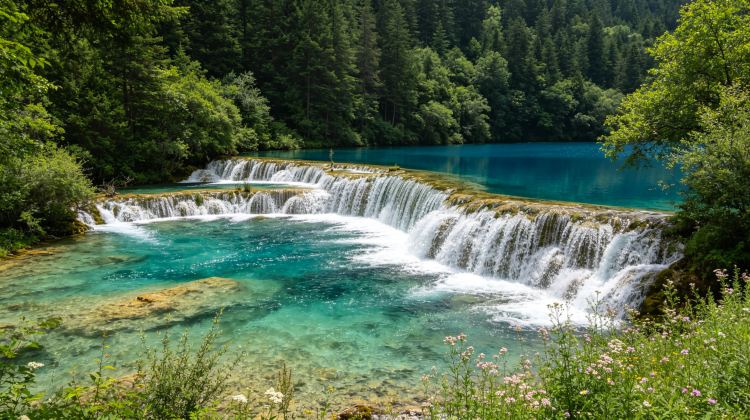
No. Jiuzhaigou and Huanglong should not be counted among ordinary Chengdu day trips. They require dedicated travel time and belong to a separate northern Sichuan itinerary, normally as a multi-day extension. Travelers deliberately extending their Chengdu stay into that separate journey can consider this 3-Day Sichuan Private Tour from Chenddu as a coordinated option. It is not a Chengdu tourist-attraction tour and should not replace the essential city days by accident. Verify the current destinations, transfers, guide arrangements, dates, and availability before making it part of the wider trip.Recommend Tour
4.7
( 10 reseñas )
Código del tour: 741666Ciudad de inicio / Ciudad de fin
Chengdu
Duración
3.0 Days
Ciudad y atracciones
Jiuzhaigou, Songpan, Minjiang River
+2 más
Idiomas
Chinese Live, English Live
Tamaño del grupo
Máx. 8 viajeros
Ahorrar 10%
De $292.05
$268.69
Chengdu Attractions by Trip Length
Two Days: The Essential City Visit
Day 1: Visit the Panda Base in the morning, then slow the pace at People’s Park and a central food or teahouse stop.Day 2: Explore Wuhou Shrine and Jinli earlier in the day, followed by either Wenshu Monastery or a slower central stop, then Sichuan Opera in the evening. This is a fairly full second day, so avoid adding both Jinli and Wide and Narrow Alleys. A distant excursion would displace more essential first-visit experiences than it adds.
Three Days: A Balanced First Visit
Keep the two-day core, then use day three for additional city depth. Because Jinsha is closed in 2026, choose Wide and Narrow Alleys, a relaxed Wenshu-area food experience, or another central museum whose current opening status has been checked. Alternatively, devote the third day to Sanxingdui if archaeology is the trip’s strongest interest. A city-focused third day produces the more balanced introduction. Sanxingdui is the better specialist choice, but it means accepting less time for Chengdu’s neighborhoods and teahouse culture.Five or Six Days: City Plus One or Two Excursions
Spend roughly three days exploring Chengdu itself. Add Sanxingdui or Leshan, then choose Dujiangyan or Mount Qingcheng according to your interests and fitness level. Keep Jiuzhaigou and Huanglong outside this plan unless you are deliberately planning a separate northern Sichuan journey. Travelers with nine days who want to extend beyond Chengdu can consider this 9-Day China Wudang Mountains, Emei and Zhangjiajie Adventure Tour. The itinerary combines the Chengdu Panda Base, Leshan Giant Buddha, Mount Emei, Dujiangyan, and Du Fu Thatched Cottage with Wudang Mountain and Zhangjiajie. It is a broader multi-region journey rather than a Chengdu-only itinerary, making it more suitable for travelers who prioritize coordinated logistics and wide-ranging cultural and natural highlights. Confirm the departure date, minimum group size, final price, and availability before booking.Recommend Tour

4.9
( 5 reseñas )
Código del tour: 746427Ciudad de inicio / Ciudad de fin
Shiyan, Zhangjiajie
Duración
9.0 Days
Ciudad y atracciones
Shiyan, Chengdu, Leshan
+10 más
Idiomas
Chinese Live, English Live
Tamaño del grupo
Máx. 55 viajeros
Ahorrar $750.00
De $2,049.00
$1,299.00