Lhasa Tours & Guided Trips

Lhasa Tours & Guided Trips

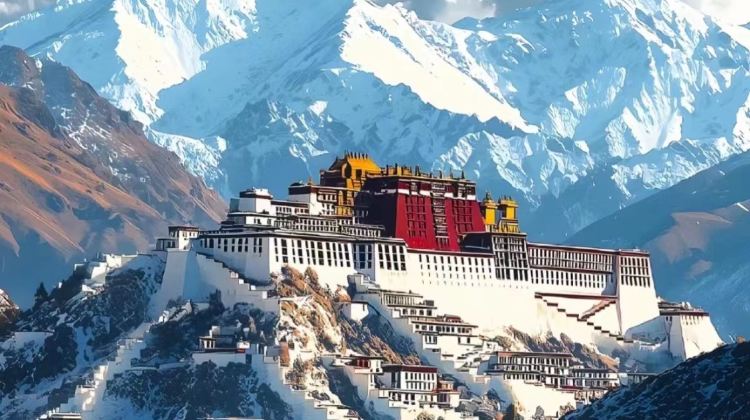
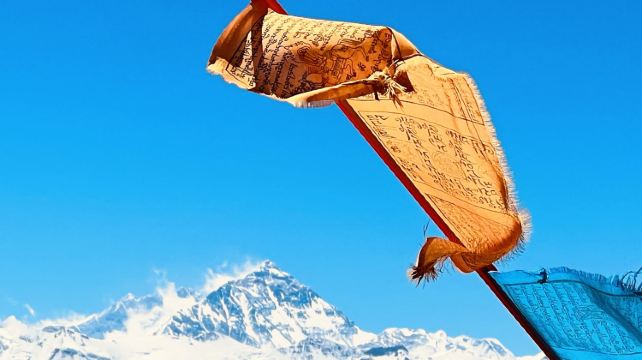
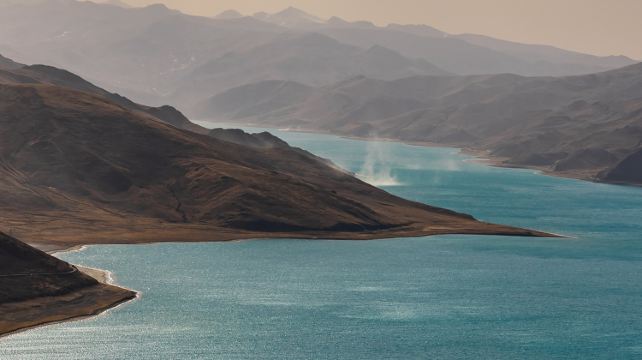
Lhasa, resting at 3,490m, the capital of the tibet autonomous region stands as one of the highest cities in the world. dating back to the mid 7th century, lhasa has served as one of the most important economical, cultural, religious, and political centers for tibet. as such, it is home to numerous historic sites, such as jokhang temple, sera monastery, norbulingka palace, and potala palace, the former residence of the 14th dalai lama. lhasa tours frequently lead visitors to these important structures as well as the tibet museum, which holds over 1000 tibetan artifacts, and the narrow streets of the barkhor district. trips to lhasa and tibet generally start through the lhasa gonggar airport (lxa), just a 30 minute shuttle drive from the city, or the qinghai-tibet railway, which offers routes from chengdu, guangzhou, shanghai, and other major cities. from lhasa travelers can join tibet tours to travel throughout the region, such as to to the other major cities of gyantse and shigatse, the scenic namtso and yamdrok lakes, or the north everest base camp.
Show All
When?
View Tours

Trusted Local Partners

Best Time to Visit Lhasa

Summer 2026
Summer transforms Lhasa into a lush, oxygen-rich sanctuary with temperatures comfortably ranging from 10°C (50°F) to 24°C (75°F). This is the "Rainy Season," though most precipitation falls as short nighttime showers, leaving the days refreshed and the surrounding mountains emerald green. The humid air makes breathing easier for visitors, who flock to the Norbulingka summer palace to enjoy the sprawling gardens in full bloom. It is the peak season for the Shoton Festival, where massive Thangkas are unveiled and traditional Tibetan opera fills the air. Travelers can take a day trip to the turquoise waters of Namtso Lake, which is fully accessible and surrounded by nomadic tents and grazing yaks. Evenings are best spent at the Barkhor Street night markets, where the cool breeze and vibrant street life offer a quintessential taste of modern Tibetan culture.
Show All
Autumn 2026
Autumn is widely heralded as the golden era for travel, featuring stable weather and pleasant temperatures between 5°C (41°F) and 20°C (68°F). As the monsoon clouds dissipate, the sky returns to its most iconic, piercing blue, providing perfect conditions for photography and high-altitude trekking. The barley fields in the Lhasa valley turn a brilliant gold, creating a stunning contrast against the whitewashed walls of traditional villages. This dry, clear season is ideal for visiting the Drepung Monastery or hiking to the Yerpa Hermitage to see the meditation caves carved into the cliffs. The lack of haze ensures unobstructed views of the distant Himalayan peaks during sunset from the Chakpori Hill. It is a fantastic time for outdoor exploration, as the crisp air and moderate sunshine make long walks through the historic districts incredibly comfortable.
Show All
Winter 2026/2027
Winter in Lhasa is a quiet, sun-drenched sanctuary where temperatures fluctuate between -10°C (14°F) and 10°C (50°F). Despite the freezing nights, the daytime is surprisingly pleasant due to the powerful solar radiation and lack of wind. This is the most "authentic" season, as thousands of pilgrims from across Tibet converge on the city for the Tibetan New Year (Losar) and the Butter Lamp Festival. The atmosphere is deeply spiritual, with the scent of burning juniper and butter lamps filling the air around the Barkhor. Visitors can enjoy significantly lower prices and a peaceful experience at the Potala Palace without the summer rush. After a day of exploring the frost-dusted ancient temples, retreating to a local teahouse for a steaming cup of sweet milk tea provides a cozy glimpse into the slow-paced winter life of the plateau.
Show All
Spring 2027
Spring in Lhasa with temperatures rising from -2°C (28°F) to 15°C (59°F). While the nights remain chilly, the intense plateau sun thaws the landscape, making the "City of Sunlight" live up to its name. This clear, dry climate offers the best visibility for admiring the Potala Palace against a deep sapphire sky before the summer mists arrive. It is a peaceful time to join pilgrims on the Lingkhor circuit or visit the Jokhang Temple, as the peach blossoms begin to bloom in the surrounding valleys. Travelers can explore the nearby Sera Monastery to witness the famous afternoon monk debates in the fresh spring air. The manageable crowds and increasing oxygen levels make it an ideal window for acclimating while enjoying the first vibrant touches of green along the Lhasa River.
Show All

Reviews for Lhasa Tours

N
8-Day Tour from Lhasa: Yamdroktso, Shigatse and Mt. Everest | Small Group Tour

A great itinerary covering Tibet's highlights. The Sera Monastery debate was fascinating, and the Potala Palace is breathtaking. The driver was skilled on those winding mountain roads. My only complaint is that some lunches weren't included, and food options on the road are limited, so bring snacks. Otherwise, a solid tour.

Show All
W
17-Day Immersive China Group Tour·From Ancient Capitals to Tibetan Highlands & Modern Metropolises

This tour is an absolute marathon, but it covers more of China than I thought possible in 17 days. The highlight was reaching Everest Base Camp — the sunrise there is unforgettable. The guide in Tibet was very attentive to our altitude sickness. Be prepared for early mornings and lots of flights, but everything was well-organized. A true adventure.

Show All
O
9-Day Tour from Lhasa: Karola Glacier, Shigatse, Mt. Everest and Namtso Lake | Small Group Tour

I was nervous about altitude sickness, but the guide provided oxygen and checked on us daily. The medical oxygen tank in the vehicle gave me peace of mind. Namtso Lake is higher than EBC (4,700m), so take it slow. The Tashilhunpo Monastery in Shigatse was a quiet, beautiful stop. A well-paced tour with a caring guide. I'd book again.

Show All
L
12-Day Tour from Lhasa: Nyingchi, Yamdrok Lake, Shigatse, Mt. Everest and Namtso Lake | Small Group Tour

This tour covers so much: Lhasa's cultural sites, the stunning Yamdrok Lake, Everest Base Camp, and the holy Namtso Lake. The Nyingchi leg was a pleasant surprise — Basumtso Lake is a hidden gem, and we had a local lunch at Jieba Village that felt authentic. The group was small (6 people), which made it feel personal. The only minor issue was that some hotels had no air conditioning, but it was cool enough at night.

Show All

FAQs about Lhasa Tours

What is the best time of year to visit Lhasa?

The best time to visit Lhasa is from May to early October, with peak conditions in May and September. These months offer dry weather, clear skies, and moderate temperatures. The monsoon season occurs from July to August, bringing afternoon rain showers—most rainfall concentrates then, but rarely disrupts full days. These months also draw larger crowds. For fewer tourists and stable weather, choose May or late September.

How do I prepare for high altitude sickness when arriving in Lhasa?

Lhasa sits at 3,650 meters, so altitude sickness is a real concern. Arrive gradually if possible—spend a day or two at an intermediate altitude like Xining. Upon arrival, rest completely for the first 24 hours. Stay hydrated, avoid alcohol, and eat light meals. Consider acetazolamide (Diamox) after consulting a doctor. Supplemental oxygen is widely available in hotels and hospitals. Monitor for severe symptoms like persistent headache or shortness of breath.

Do foreign travelers need special permits to visit Lhasa, and how do I obtain them?

Yes, foreign travelers require a Tibet Travel Permit (TTP) to enter Lhasa. You cannot obtain it independently—book through a registered Tibetan travel agency. They will process the TTP using your passport and visa copies. Processing takes 7–15 business days. You may also need a Public Security Bureau (PSB) permit for areas outside Lhasa. The agency coordinates all documentation, which will be sent to you before arrival.

What transportation options exist from Lhasa Gonggar Airport to the city center?

Lhasa Gonggar Airport is 68 km southwest of the city. The airport express bus (Line 1) runs every 30–60 minutes from 9:30 AM to 8:30 PM, costing around 30 CNY per person. Taxis are available outside arrivals—agree on the fare beforehand, typically 120–150 CNY. Pre-arranged hotel or agency transfers are the most reliable and include altitude support. Private cars with English-speaking drivers can be booked via travel agencies.