


Jiuzhaigou Tours & Guided Trips
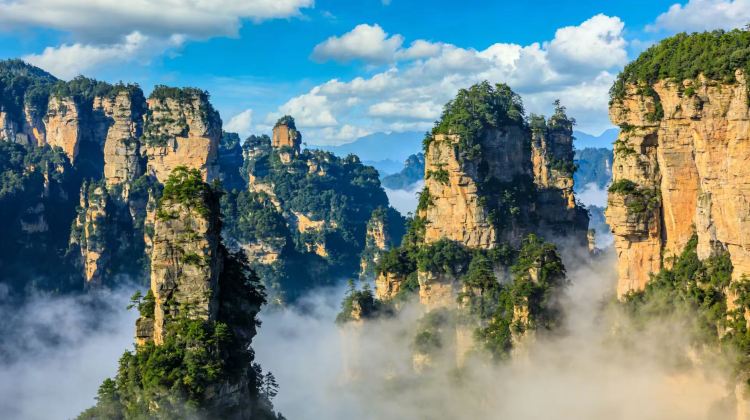
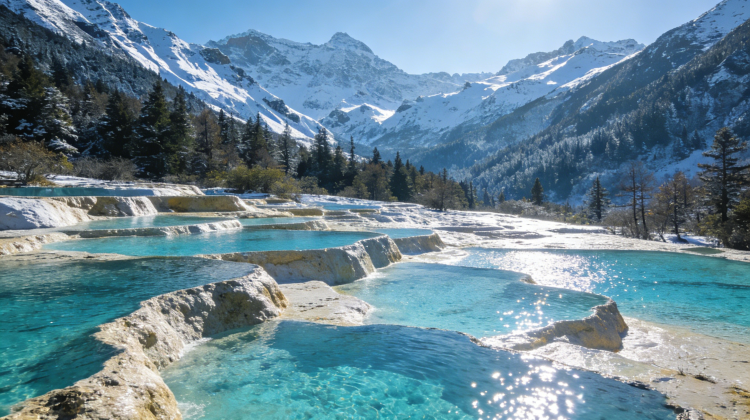
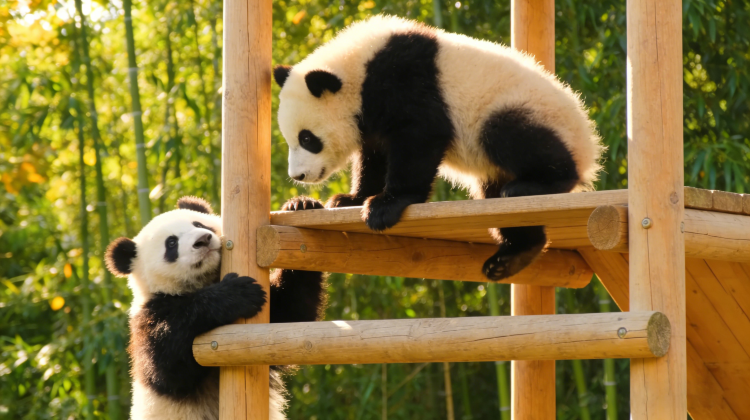
Jiuzhaigou Valley is a breathtaking natural reserve renowned for its vibrant turquoise lakes, cascading waterfalls, and snow-capped peaks. Designated a UNESCO World Heritage Site, this pristine landscape spans over 700 square kilometers of lush forest and alpine terrain, home to rare species like the giant panda. Travelers follow winding wooden boardwalks past iconic spots such as Nuorilang Falls, whose broad curtain of water tumbles gracefully into the valley below, and Five Flower Lake, where sunlight dances through crystal-clear waters to reveal a kaleidoscope of submerged tree trunks and mineral deposits. Autumn paints the valley in brilliant reds and golds, making it a favorite season for photographers and nature lovers. With elevations ranging from 2,000 to 4,500 meters, the park offers both gentle walks and challenging hikes. Accessible via a scenic drive from Chengdu, Jiuzhaigou remains one of China’s most treasured wilderness destinations, blending ecological wonder with serene mountain beauty.
Show All
Top Jiuzhaigou Guided Tours


Best Time to Visit Jiuzhaigou
Summer
2026
Summer in Jiuzhaigou brings mild temperatures of 19°C (66°F) with lush greenery and blooming wildflowers, enhancing the valley’s turquoise lakes and cascading waterfalls. This peak season offers ideal conditions for hiking through pristine forests, exploring iconic spots like Nuorilang Falls and Five Flower Lake, and experiencing Tibetan and Qiang cultural festivals. The park’s well-maintained boardwalks provide effortless access to stunning alpine scenery, while clearer skies improve photo opportunities and wildlife viewing.
Show All
Autumn
2026
Autumn in Jiuzhaigou brings crisp air and vivid colors, with temperatures averaging 5–15°C (41–59°F) from September to November. Golden larches, crimson maples, and emerald pines frame crystal-clear lakes like Five Flower Lake and Long Lake, creating postcard-perfect scenes. As crowds thin after peak season, trails through Jiuzhaigou Valley become peaceful, ideal for hiking and photography. Nearby Zharu Valley offers quieter exploration, while the autumn light enhances the magic of cascading waterfalls like Nuorilang. A visit now combines mild weather with nature’s brilliant display.
Show All
Winter
2026/2027
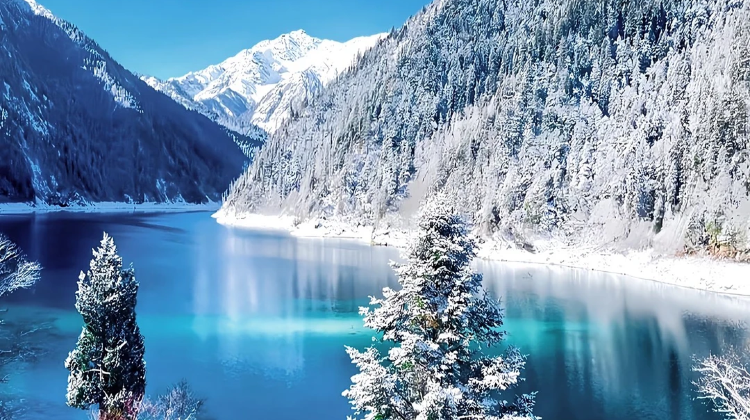
In winter, Jiuzhaigou transforms into a serene snow-laced wonderland with temperatures ranging from -5°C (23°F) to 4°C (39°F). Frozen waterfalls, powdery white peaks, and steaming turquoise lakes create a surreal landscape perfect for peaceful hikes and photography. The valley's compact core areas, like Shuzheng, Nuorilang, and Long Lake, remain accessible, offering intimate encounters with nature’s stillness. With fewer crowds and clear skies enhancing scenic clarity, winter visitors enjoy a tranquil escape amid breathtaking alpine beauty, ideal for soaking in hot springs and experiencing local Tibetan culture.
Show All
Spring
2027
In spring, Jiuzhaigou Valley awakens with vibrant greens and melting snow feeding its iconic turquoise lakes and waterfalls under mild temperatures of 10–18°C (50–64°F). This shoulder season offers fewer crowds and clear views of blossoms near Shuzheng and Nuorilang, where flowing waters amplify the valley’s natural symphony. Hiking through Zharu Valley reveals rhododendron sprouts, while mirror-like reflections in Five Flower Lake captivate photographers. The surrounding Min Mountains still hold dustings of snow, enhancing scenic contrasts perfect for cultural and nature exploration.
Show All
FAQs about Jiuzhaigou Tours
When is the best time to visit Jiuzhaigou Valley for colorful foliage and mild weather?
The best time to visit Jiuzhaigou Valley is September to October, when autumn foliage peaks with vibrant red, gold, and orange hues. September offers mild temperatures (10–17°C) and fewer crowds before the October national holiday rush. Spring (April to May) is a secondary option with blooming flowers and moderate weather, but some meltwater may still be present.
How do I get from Chengdu to Jiuzhaigou Valley, and what transportation options are available?
Travelers can reach Jiuzhaigou from Chengdu via a 50-minute flight to Jiuzhaigou Huanglong Airport (JZH), followed by a 90-minute scenic drive. Alternatively, a direct bus takes 7–8 hours but is not recommended due to mountain roads and potential altitude sickness. Renting a private car with a driver is safer and more comfortable for navigating high-elevation terrain.
Is there an entry permit or ticket reservation system for Jiuzhaigou National Park?
Yes, Jiuzhaigou National Park requires advance online ticket purchase via the official WeTrip or Trip.com platforms, especially during peak seasons. Visitors must reserve a time slot for park entry. Daily visitor numbers are capped; tickets often sell out weeks ahead. Bring valid ID for verification upon entry, and book at least 3–5 days before arrival.
Are there altitude sickness concerns in Jiuzhaigou, and how can I minimize risks?
Jiuzhaigou Valley sits at 2,000–3,100 meters, posing a moderate risk of altitude sickness. Minimize risks by spending a night at nearby Jiuzhaigou Town (2,060m) to acclimatize. Avoid alcohol, stay hydrated, and ascend gradually. Carry Diamox (acetazolamide) if prone to symptoms. Avoid overexertion upon arrival, and monitor for headaches, nausea, or dizziness.
Browse Jiuzhaigou Tour Types


