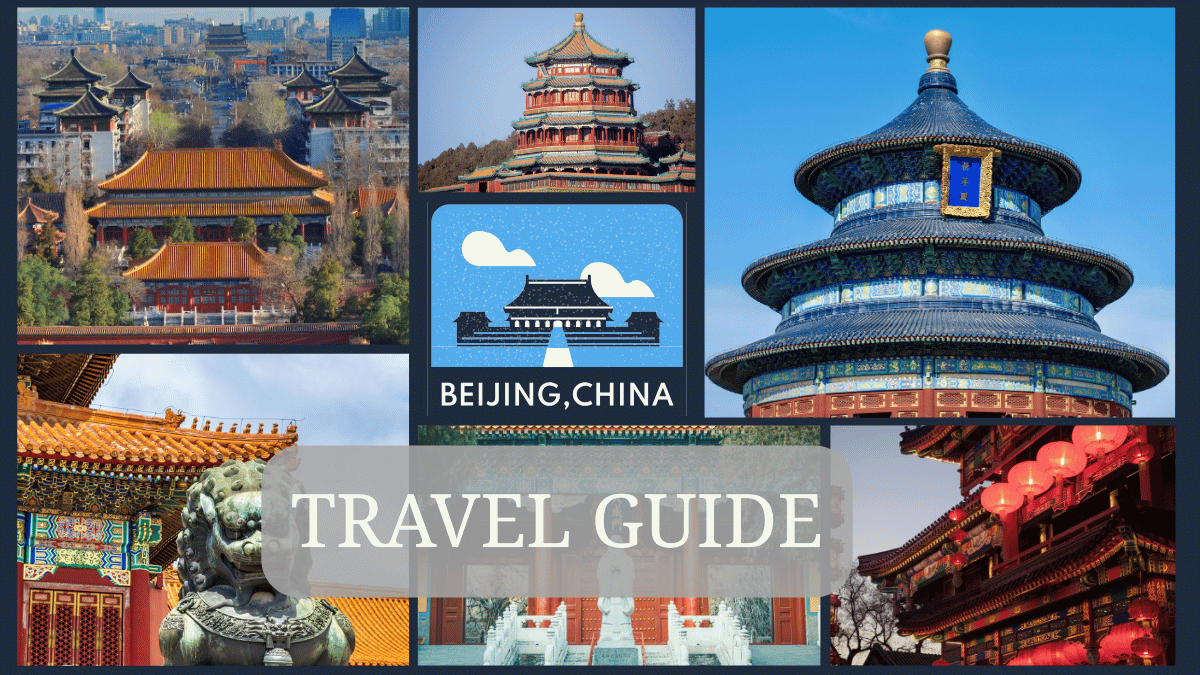
Beijing Tours: Great Wall, Forbidden City & Hutongs
Beijing, China's capital for over 800 years, offers travelers an extraordinary journey through imperial palaces, ancient temples, and modern skyscrapers. From the Forbidden City's 9,999 rooms to the Great Wall winding through mountain peaks, this northern metropolis combines 3,000 years of history with cutting-edge development in ways that fascinate every visitor. Whether you're planning Beijing tours to walk the Ming Tombs Sacred Way or seeking adventure on wild Great Wall sections, this Beijing travel guide covers everything from the best time to visit to practical tips for your Chinese adventure.
Best Time to Travel to Beijing
The best time to travel to Beijing is during autumn (September to October) and spring (April to May), when mild temperatures, clear skies, and comfortable humidity create ideal conditions for exploring both historical sites and modern districts.
Autumn (September to October) brings comfortable temperatures of 55-77°F (13-25°C) and clear blue skies, perfect for Great Wall hiking and outdoor sightseeing. The autumn foliage at the Summer Palace and Fragrant Hills creates stunning landscapes. This is peak tourist season, so book accommodations well in advance, especially during the October 1-7 National Day holiday.
Spring (April to May) offers warm temperatures of 59-79°F (15-26°C) and blooming flowers throughout the city. Cherry blossoms at Yuyuantan Park and peonies at Jingshan Park create colorful displays. This is an excellent time for Beijing tours focused on photography and outdoor activities, though occasional sandstorms from the Gobi Desert can affect air quality.
Summer (June to August) brings hot, humid weather with temperatures of 79-95°F (26-35°C) and frequent rainfall. This is low season with fewer tourists, but the heat and humidity can make sightseeing uncomfortable. Indoor attractions like museums and the Beijing Zoo provide relief from the weather.
Winter (November to February) is cold and dry with temperatures of 14-45°F (-10 to 7°C). The Great Wall dusted with snow creates magical landscapes, and indoor attractions are less crowded. This is the cheapest time to visit, though outdoor activities require warm clothing.
Beijing City Tour
A well-rounded Beijing city tour should allow at least 3 to 4 days to experience the city's major historical sites and modern attractions. A longer stay can include day trips to the Great Wall and surrounding areas.
3-Day Beijing City Tour
Day 1: Imperial Beijing
Explore the Forbidden City, the world's largest palace complex with 9,999 rooms housing Ming and Qing dynasty emperors. Walk through Tiananmen Square, the world's largest public square. Visit Jingshan Park for panoramic views of the Forbidden City's golden roofs. Evening: Experience Wangfujing Street's snack market and shopping.
Day 2: Great Wall and Ming Tombs
Visit the Mutianyu section of the Great Wall (1.5 hours from the city center), less crowded than Badaling with cable car options. Explore the Ming Tombs, burial site of 13 Ming emperors, including the underground Changling Palace. Walk the Sacred Way lined with stone animal and official statues.
Day 3: Traditional Beijing
Explore the hutongs (traditional alleyways) by rickshaw or on foot. Visit the Lama Temple, Beijing's largest Tibetan Buddhist temple. Experience the Summer Palace, the imperial garden with Kunming Lake and Longevity Hill. Evening: Attend a Peking Opera performance or acrobatics show.
4-Day Extension Options
Add Day 4: Temple of Heaven and 798 Art District - Visit the circular Temple of Heaven where emperors prayed for good harvests, then explore the contemporary art galleries in former factory buildings.
Top Attractions in Beijing
Forbidden City
This UNESCO World Heritage site is the world's largest palace complex, serving as the imperial palace for 24 emperors during the Ming and Qing dynasties. The complex features 9,999 rooms with ornate halls, courtyards, and gardens. The Palace Museum houses over 1.8 million artifacts including paintings, ceramics, and jade. Allow 3-4 hours to explore the main sections.
Great Wall at Mutianyu
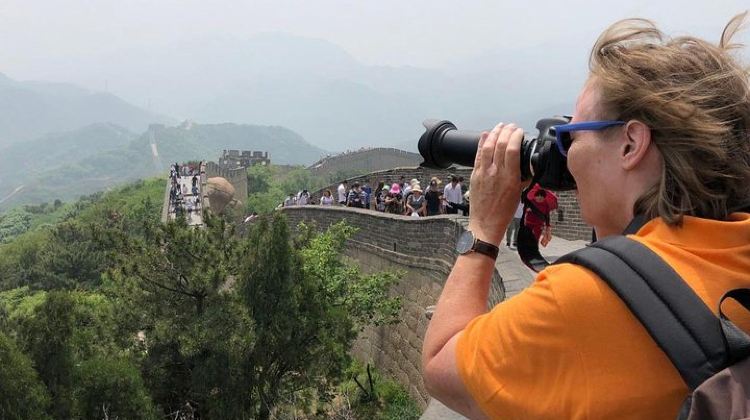
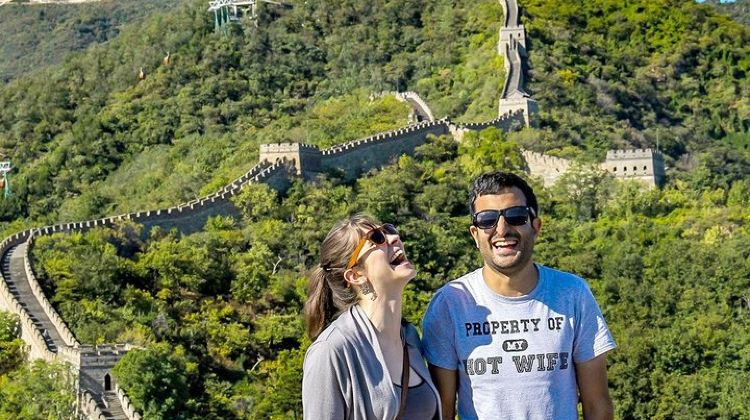
This restored section of the Great Wall winds through mountain peaks 1.5 hours north of Beijing. The section features watchtowers, crenellations, and cable car access. The toboggan ride down provides a unique descent experience. This section is less crowded than Badaling with beautiful mountain scenery.
Temple of Heaven
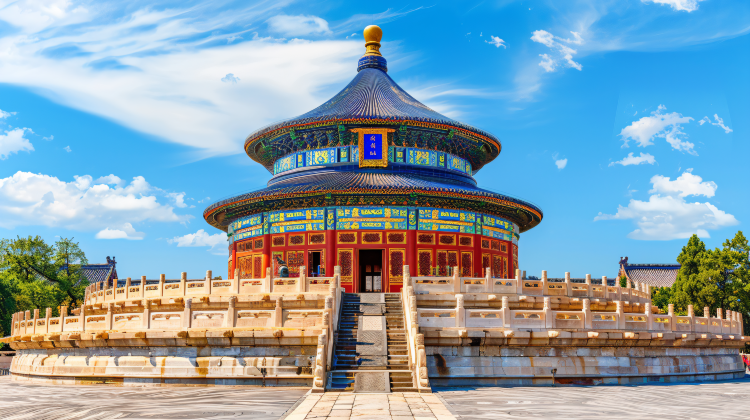
This UNESCO World Heritage site was where Ming and Qing emperors prayed for good harvests. The circular Hall of Prayer for Good Harvests features intricate wooden construction without nails. The park surrounding the temple is popular with locals practicing tai chi and traditional activities.
Summer Palace
This imperial garden features Kunming Lake, Longevity Hill, and over 3,000 buildings including pavilions, temples, and bridges. The Long Corridor features over 14,000 paintings depicting Chinese mythology and history. The palace served as the summer retreat for emperors escaping the Forbidden City's heat.
Lama Temple
Beijing's largest and most important Tibetan Buddhist temple in China, it features five main halls with Buddhist statues, murals, and artifacts. The 18-meter-tall Maitreya Buddha carved from white sandalwood is the temple's highlight. The temple remains an active monastery with monks in residence.
Day Trips from Beijing
Beijing's location in northern China provides access to several excellent day trip destinations, from Great Wall sections to ancient towns and natural areas.
Great Wall Sections
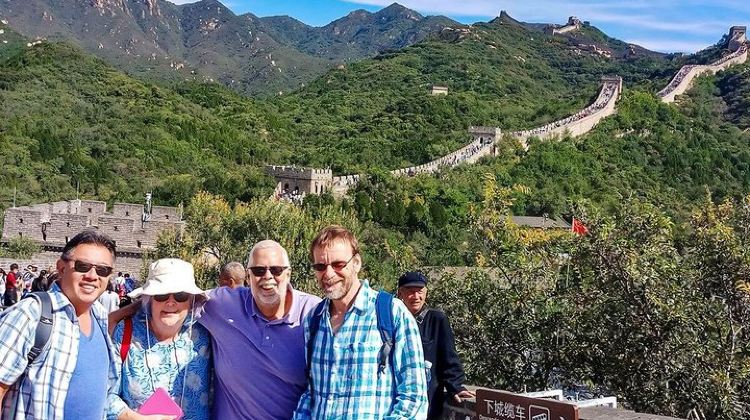
Mutianyu (1.5 hours north): The most popular section for tourists, featuring restored walls, cable cars, and toboggan rides down. Less crowded than Badaling with beautiful mountain scenery.
Badaling (1.5 hours north): The most accessible and restored section, but also the most crowded. Suitable for visitors with limited mobility due to cable car access.
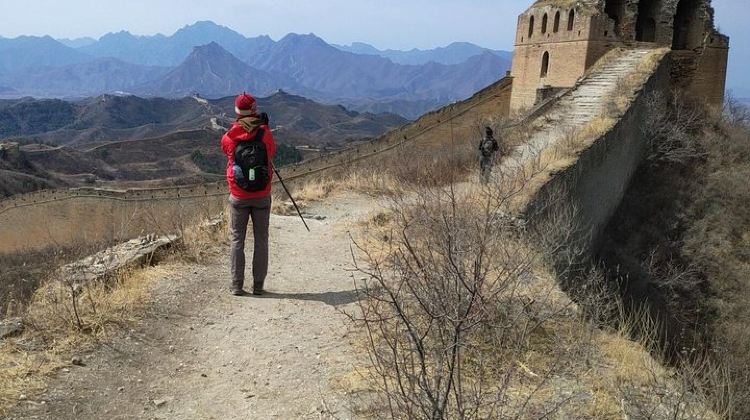
Jinshanling (2.5 hours north): A partially restored section offering both restored and wild wall experiences. Popular with photographers and hikers seeking fewer crowds.
Simatai (2.5 hours north): The only section open at night, offering illuminated wall views. The wild, unrestored sections provide authentic Great Wall experiences.
Ancient Towns and Villages
Gubeikou Water Town (2 hours north): A restored ancient town at the foot of the Great Wall with traditional architecture, shops, and restaurants. The town connects to the Simatai Great Wall section.
Tianjin (30 minutes by high-speed train): China's fourth-largest city features Italian-style architecture, ancient temples, and the famous Tianjin Eye ferris wheel. The city's food scene includes famous Jianbing guozi (savory crepes).
Chengde (3.5 hours north): The summer retreat for Qing emperors features the Mountain Resort, a vast imperial garden with temples and pagodas. The Chengde Mountain Resort is a UNESCO World Heritage site.
Natural Areas
Fragrant Hills (1 hour west): A forested park with temples, pavilions, and autumn foliage. The hill offers panoramic Beijing views and peaceful hiking trails.
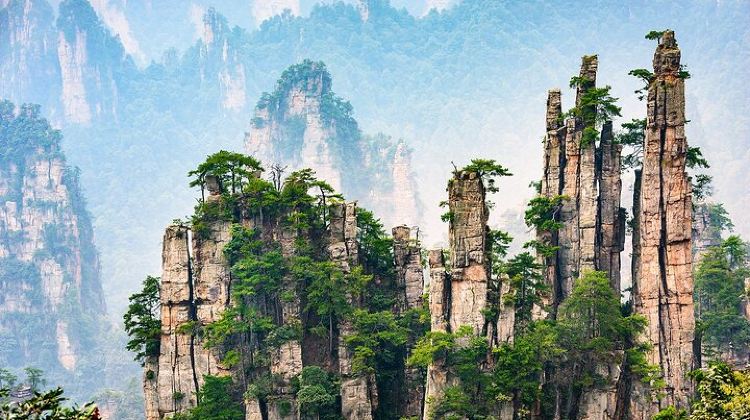
Shidu (2 hours southwest): A scenic area with limestone formations, rivers, and outdoor activities including rafting, rock climbing, and bungee jumping. The area is often called 'Guilin of the North.'
How Many Days Do You Need in Beijing?
For a first trip to Beijing, 3-4 days allows you to explore the city's major historical sites including the Forbidden City, Great Wall, and Summer Palace. This duration gives you time to experience Beijing's imperial heritage, traditional hutongs, and modern attractions.
If you want to explore beyond the main attractions and visit multiple Great Wall sections, ancient towns, or take day trips to Tianjin or Chengde, plan for 5-7 days. This provides flexibility for Beijing tours covering multiple regions and experiencing both historical and contemporary China.
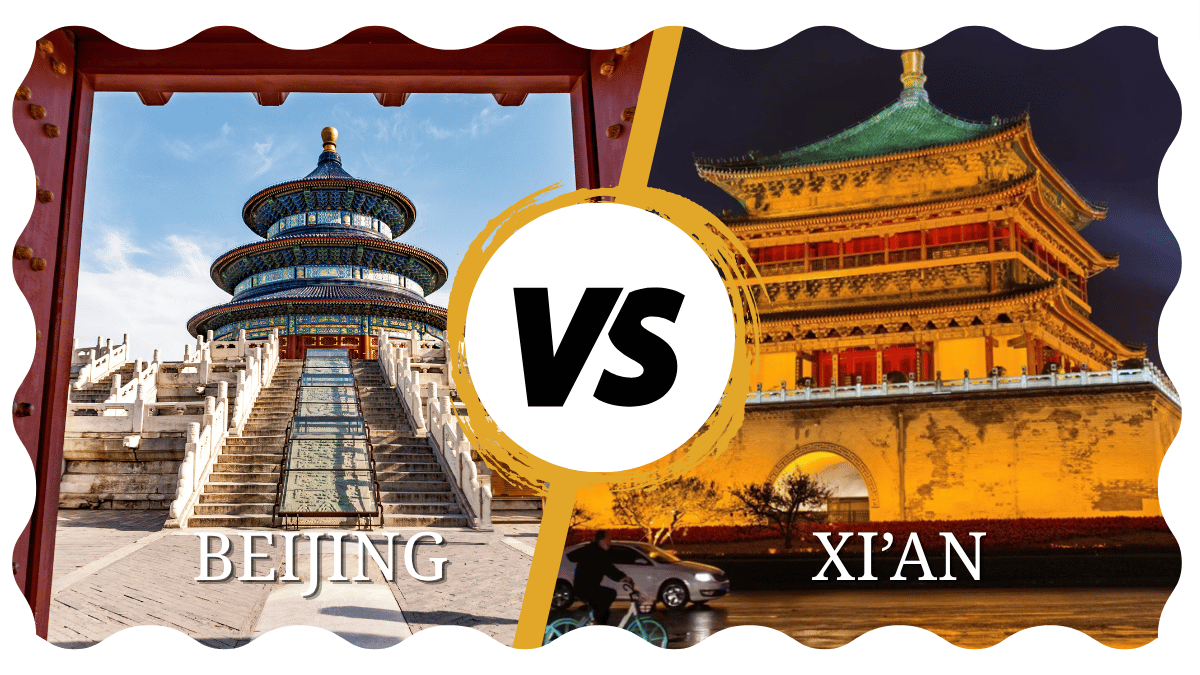
Extended trips of two weeks or more allow you to explore Beijing's museums in depth, visit the 798 Art District, experience traditional tea ceremonies, or combine Beijing with other Chinese cities like Xi'an, Shanghai, or Guilin.
Beijing Transportation
Beijing's public transportation system is extensive and efficient, making it straightforward to travel between attractions and within the city.
Traveling Between Cities
Beijing is China's railway hub with high-speed trains connecting to major cities. Beijing to Shanghai takes 4.5 hours on bullet trains, while Beijing to Xi'an takes 4.5 hours. Beijing Capital International Airport serves domestic and international flights.
For Beijing tours covering the Great Wall and surrounding areas, renting a car with a driver is recommended over self-driving, as Beijing traffic can be challenging and parking limited. Organized tours handle transportation to distant wall sections.
Within Beijing
Beijing's subway system is one of the world's largest, with 23 lines covering all major attractions. A single ride costs about $0.50-1.00. The system is clean, efficient, and well-signed in English and Chinese.
Beijing's major attractions are well-connected by subway. The Forbidden City, Temple of Heaven, and Summer Palace are easily accessible. The city also has an extensive bus network for areas not served by metro.
Taxis are affordable and widely available, but traffic can be heavy during rush hours. Use ride-hailing apps like Didi for transparent pricing. Avoid unlicensed taxis.
For hutong exploration, walking or renting a bicycle is the best way to experience traditional neighborhoods. Bike-sharing apps like Mobike provide affordable short-term rentals.